StormGeo says the Nordics may be entering a new phase of electricity market development as green steel projects and data-centre expansion begin to alter demand patterns in the region’s northern zones. The company’s latest long-term market outlook points to a shift away from a market shaped primarily by local oversupply and towards one with heavier structural industrial load.
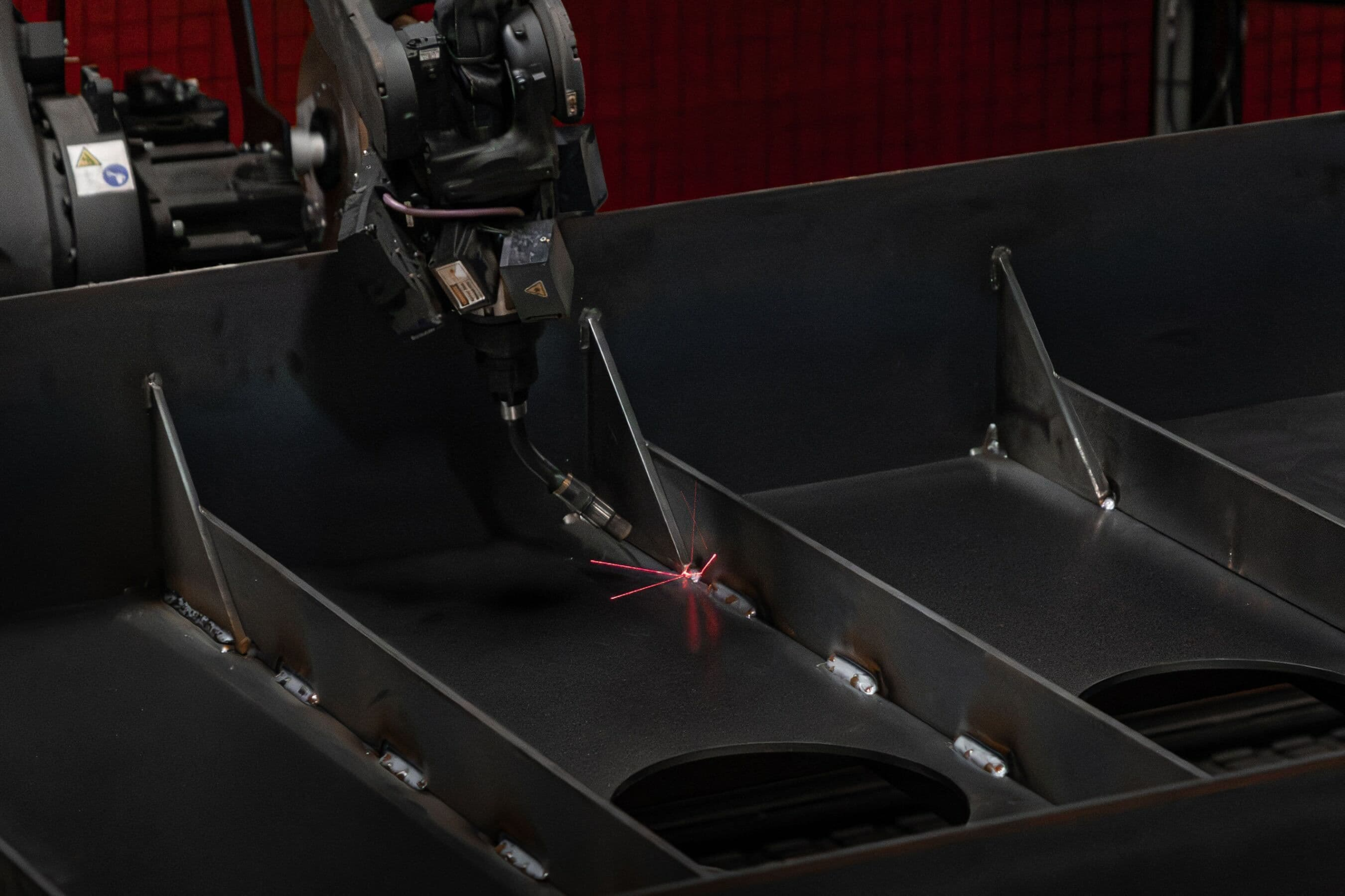
The near-term trigger is the growing likelihood that large power-intensive projects in northern Sweden will move into operation. Stegra recently secured key financing for its planned hydrogen-based steel plant in Boden, where a 700 MW electrolysis facility forms part of the proposed set-up. If projects at that scale proceed, they will do more than add industrial demand at a single site. They will alter the economics of generation around them by absorbing surplus electricity in northern bidding zones and improving the outlook for new renewable investment.
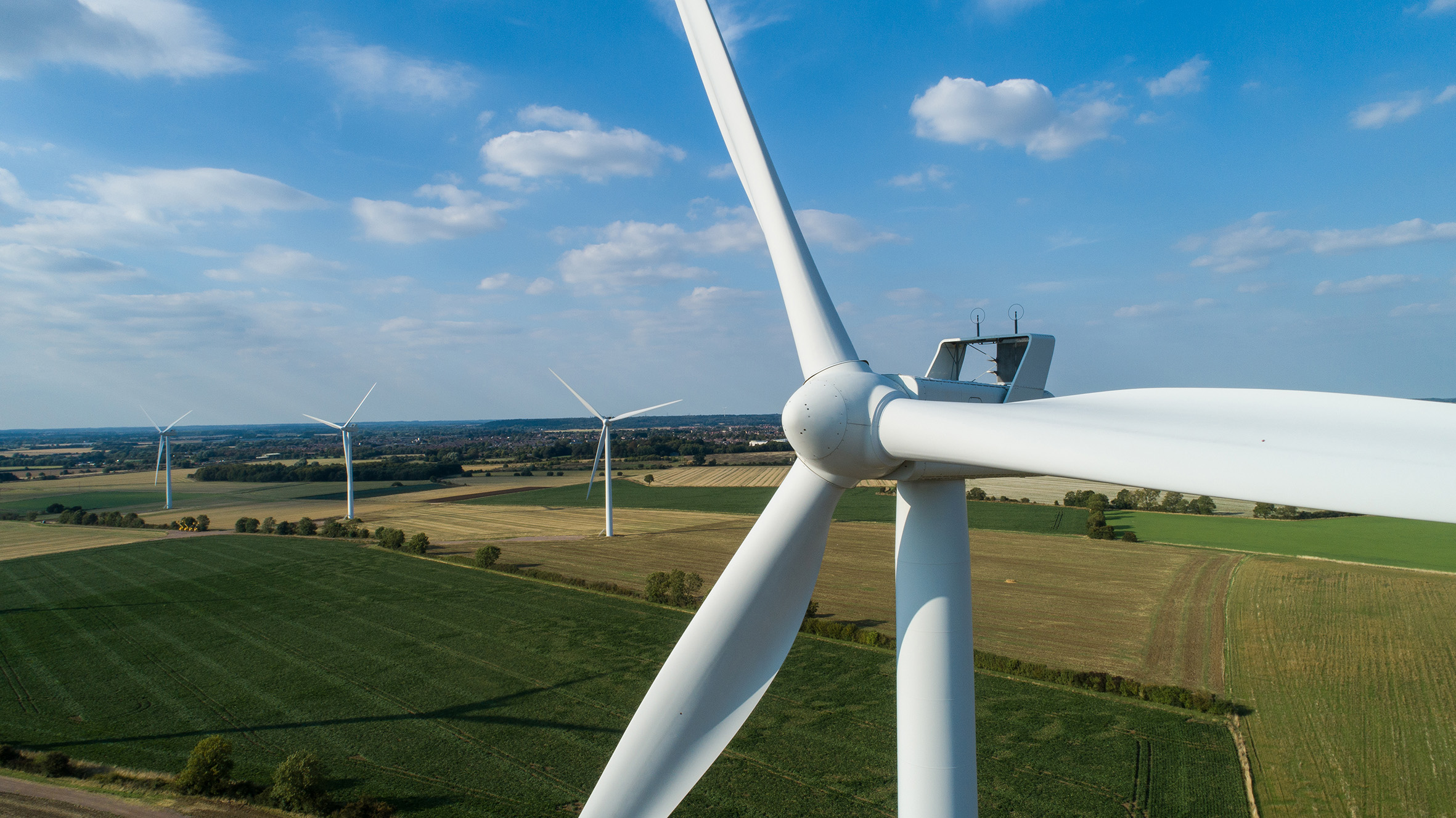
That is especially relevant for onshore wind. Northern parts of the Nordic market have abundant renewable resource, but weak local prices have made development difficult to justify in some areas. Stronger industrial offtake could tighten those price signals and support projects that would previously have struggled to attract investment. It could also narrow the long-running divide with southern zones, where prices have often been stronger but where development has faced more permitting friction and local opposition.
StormGeo also points to data centres as an additional source of load growth. Expansion in AI-related facilities is adding to electricity demand in markets already seen as attractive because of their low-carbon generation mix, cooler climate, and available development space. Taken together, electrolysis-based steelmaking and digital infrastructure are beginning to reshape expectations for where demand growth will concentrate.
Onshore wind remains the most scalable near-term route for capacity expansion, while offshore wind continues to depend more heavily on subsidy support in much of the region. New nuclear remains concentrated mainly in Sweden. StormGeo says future investment decisions are likely to depend increasingly on where demand lands, how regional price dynamics evolve, and whether new financing models emerge to support projects in areas that until recently were weighed down by oversupply.
The region has no shortage of renewable resource. The harder question is how quickly that resource can be converted into bankable capacity in locations where industrial demand is rising fast enough to support it.