Stargate Hydrogen has signed an agreement with Cummins to manufacture and supply replacement stacks for the legacy HySTAT alkaline electrolyser range, taking on an established aftermarket role for industrial hydrogen installations in 65 countries. The arrangement covers more than 400 installed systems containing over 1,000 stacks, together with related services required to support the existing equipment.
The agreement, announced on 19 October, makes the Estonian electrolyser manufacturer Cummins’ approved aftermarket vendor for the HySTAT stack business. It does not transfer ownership of Cummins’ wider hydrogen activities, nor does it amount to an order for 1,000 replacement stacks. Those figures describe equipment already installed at customer sites.
HySTAT systems have been deployed over several decades in industrial applications that require a local hydrogen supply. The technology originated with Hydrogenics, which Cummins acquired in 2019, and has subsequently been associated with the Accelera by Cummins business. Continuing to provide suitable replacement equipment allows customers to maintain plants built around an established electrolysis design rather than necessarily replacing the complete installation.
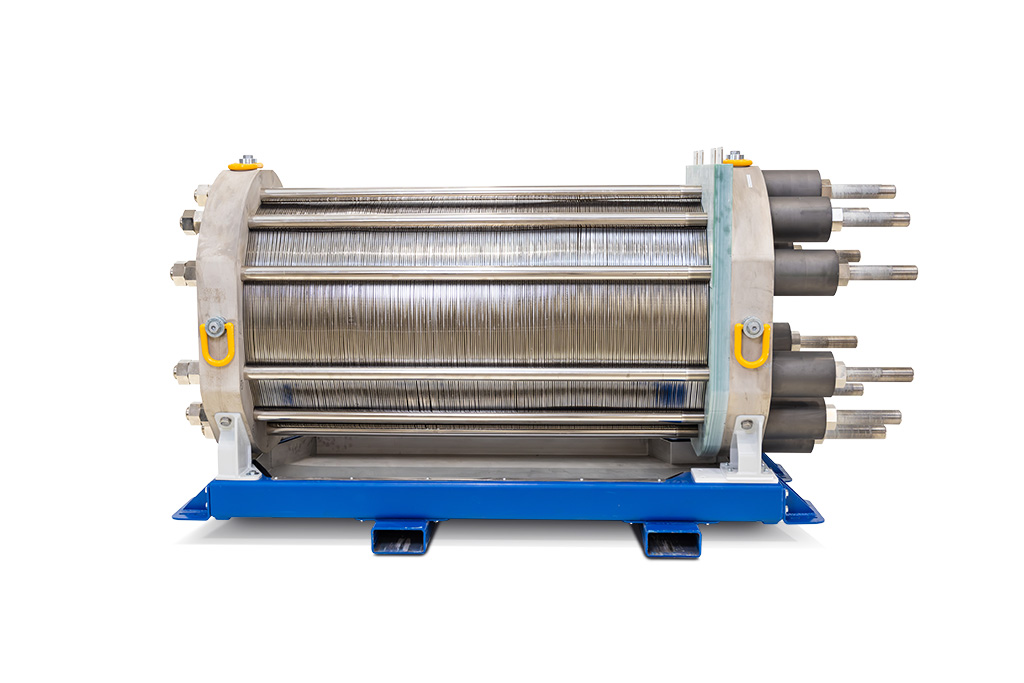
Alkaline electrolysis separates water into hydrogen and oxygen using an electrical current and an alkaline liquid electrolyte. In an individual electrochemical cell, the reactions take place at electrodes separated by a component designed to limit mixing of the product gases while permitting the necessary ionic transport.
Multiple cells are connected within a stack to provide the required production capacity. The stack’s electrical and mechanical characteristics therefore affect the hydrogen plant’s energy consumption, gas production rate and integration with the surrounding equipment. The exact arrangement differs between equipment generations and nominal system sizes.
Hydrogen production also depends on components outside the stack. Power electronics deliver a controlled electrical supply, while the wider plant manages water treatment, electrolyte circulation, heat removal, gas separation, instrumentation and safety functions. A stack replacement must operate correctly within those existing interfaces.
During service, electrodes, separators, seals and other materials are exposed to the chemical and thermal conditions of the process. Over time, changes in electrical resistance or component condition can increase the energy needed to produce hydrogen or create maintenance demands. The rate and form of degradation depend on operating history rather than a single universal replacement interval.
An aftermarket supplier must therefore accommodate variations within the installed fleet. Connection arrangements, electrical specifications and mechanical dimensions may differ between generations of the same product family, making accurate configuration records and component identification important before replacement equipment is manufactured.
Stargate’s work will involve reproducing the required stack characteristics and supplying customers with equipment appropriate to their particular HySTAT installations. Whether a replacement can be completed without changes to surrounding plant depends on compatibility and the condition of the existing systems; the company has not announced a universal retrofit package applicable to every site.
Stack fabrication requires control over the preparation and assembly of electrochemical components. Electrode surfaces, separator placement, sealing and compression can influence both electrical performance and the separation of hydrogen and oxygen. Testing is needed to establish that a completed assembly satisfies the applicable specifications before it enters service.
After installation, operators must also check interfaces with the power supply and process controls. Gas quality, operating temperature, pressure and the response to changes in electrical input are among the conditions that may need to be verified as part of recommissioning an existing hydrogen production system.
The geographical spread of the installed fleet adds a service challenge. Equipment in 65 countries will operate under different industrial conditions and maintenance arrangements, while the availability of technicians and replacement components can affect outage duration. A centrally coordinated supply of qualified stacks gives customers a defined route for obtaining critical electrochemical assemblies.
Stargate says the agreement recognises the maturity of its alkaline electrolysis engineering and manufacturing capability. Its own equipment programme is distinct from the legacy HySTAT business, although both involve specialist expertise in stack design, electrochemical processing and industrial plant integration.
The company opened a manufacturing facility in Tallinn in 2025, describing initial annual capacity of 140MW for its electrolyser products. That previously announced figure should not be treated as the number of HySTAT replacement stacks it can produce, because stack quantities depend on design, rating and the allocation of factory resources.
Stargate has not disclosed a production schedule for the new aftermarket work, an annual revenue forecast, or a separate capital investment programme arising from the Cummins agreement. Actual manufacturing demand will depend on customers’ maintenance requirements and the timing of planned replacements across the installed fleet.
Industrial hydrogen customers have differing operating patterns. Some electrolysers serve continuous process demand, while others operate around available electricity supply or intermittent hydrogen consumption. Variations in start-stop cycles, water quality and load can influence maintenance requirements and the condition of installed electrochemical components.
Retaining service capability for an established electrolyser family can also support the wider plant’s useful life. The stack is a critical assembly, but existing power supplies, pipework and treatment equipment may remain serviceable after it needs replacement. The economic case for refurbishment still requires assessment against operating efficiency, repair costs and the condition of the installation.
The agreement follows a period of reassessment in the electrolyser market, during which manufacturers and project developers have faced changing demand and investment conditions. Maintaining support for equipment already operating is a different commercial activity from supplying complete new hydrogen projects, with parts availability and technical continuity often more important than adding new system capacity.
Cummins’ selection establishes an approved manufacturing and support channel for the legacy fleet. It does not guarantee that every operator will buy a replacement stack, or that individual installations will achieve a specified efficiency improvement following replacement.
Subsequent evidence of the arrangement’s effect will come from replacement products manufactured, deliveries to customers and successful integration with operating HySTAT systems. Until those results emerge, the confirmed development is the transfer of aftermarket responsibility to Stargate Hydrogen for an established international population of alkaline electrolysers.