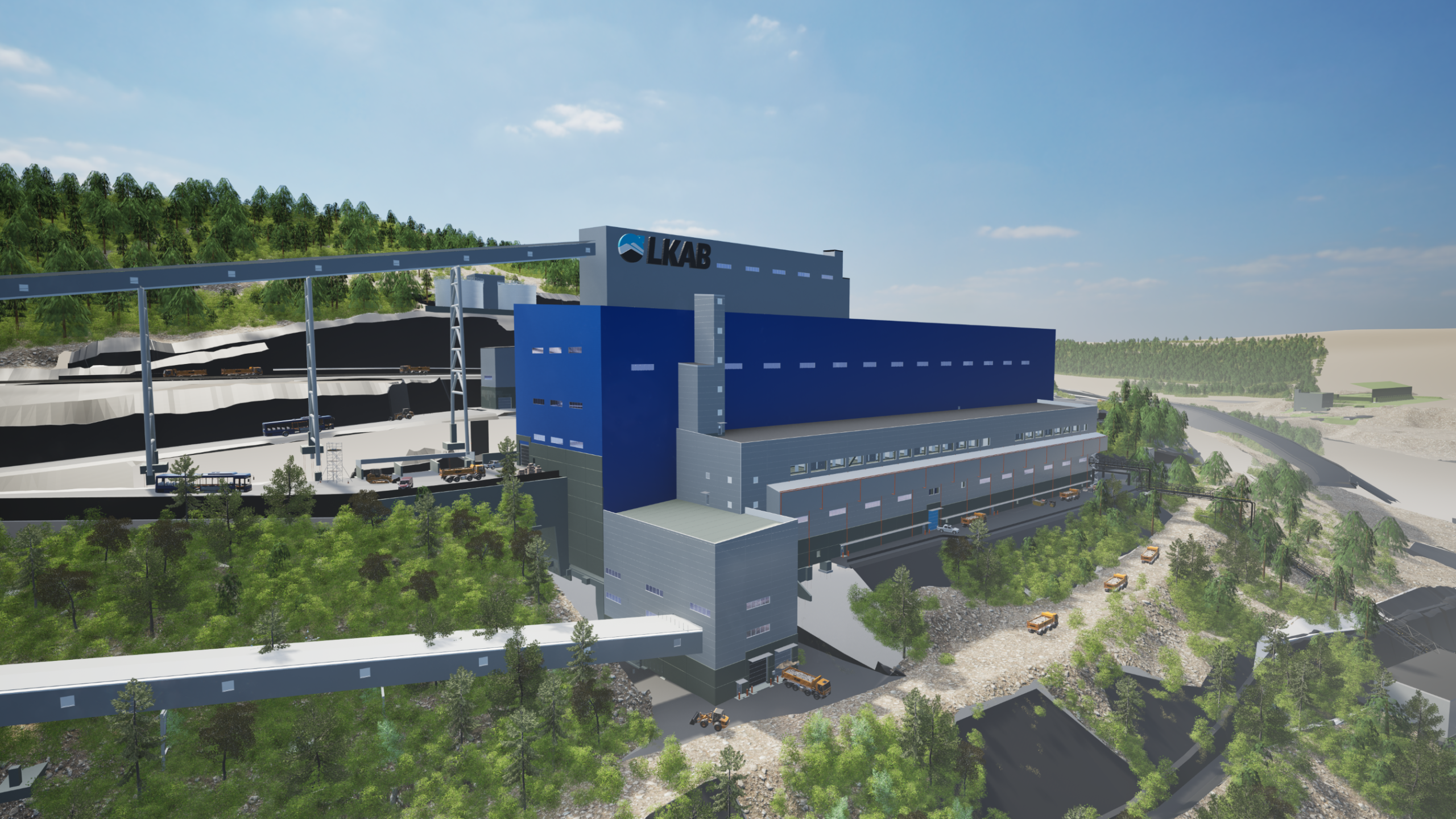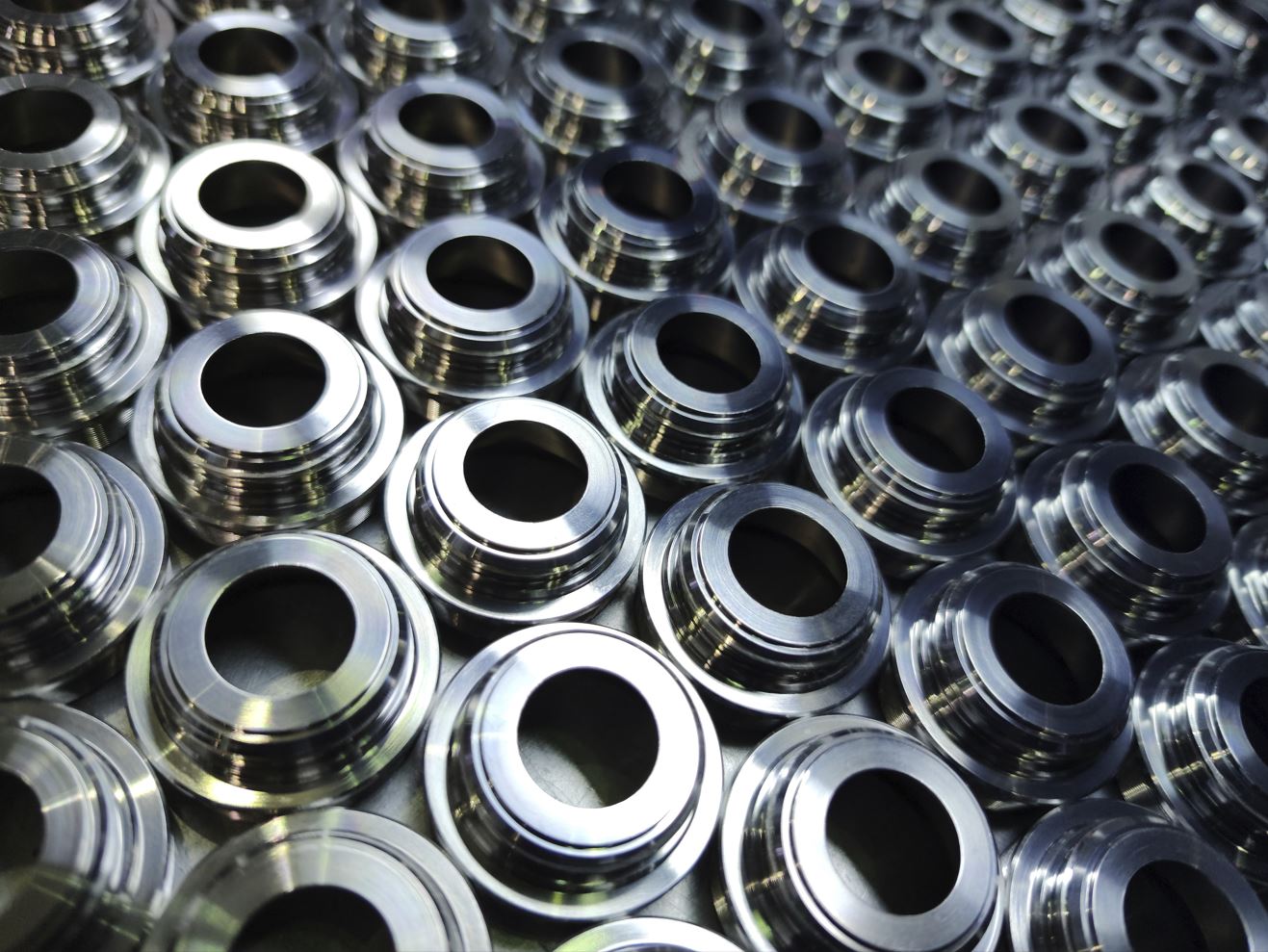
Siemens Energy will manufacture high-pressure steam turbines and valve casings in Newcastle for the first three Rolls-Royce SMR units planned for the Gwyndod project on Anglesey. The CA Parsons Works is also planned to become the service hub for Siemens Energy components used across the future UK Rolls-Royce SMR fleet.
The work follows Rolls-Royce SMR’s selection of Siemens Energy as its global turbine systems partner in February 2025. That agreement covers the complete turbine package, including design, manufacture, installation, and commissioning, with the latest announcement defining where important parts of that system will be produced for the first UK deployment.
Rolls-Royce SMR says the Newcastle programme will support more than 550 jobs and marks the first manufacture in Europe of these types of steam turbine components for a small modular reactor. The former Parsons works has manufactured turbines since the late 19th century and supplied the steam turbine for Calder Hall, which began generating electricity in 1956.
The industrial continuity is useful because nuclear programmes require more than individual components. Manufacturing facilities need qualified processes, specialist tooling, inspection capability, documented quality systems, engineering support, and skilled workers able to maintain those standards across long production cycles. Establishing Newcastle as a service hub extends that requirement beyond the first three reactors into maintenance and lifecycle support.
Gwyndod is the planned new nuclear project adjacent to the former Wylfa site on Anglesey. Rolls-Royce SMR was selected as preferred bidder in the UK small modular reactor competition in 2025, and Great British Energy – Nuclear signed the subsequent technology contract in April 2026 to advance design work for deployment.
The Rolls-Royce design is a 470 MWe pressurised water reactor. Heat generated in the reactor is transferred through steam generators into a secondary circuit, where steam drives the turbine system before being condensed and returned to the cycle. The steam plant is therefore based on established thermal engineering, while much of the programme’s intended cost and delivery advantage rests on standardisation and factory manufacture.
That distinction is important. Conventional large nuclear projects have often carried a high proportion of complex construction activity at the final site, where weather, sequencing, labour availability, and interfaces between contractors can increase uncertainty. Rolls-Royce SMR intends to manufacture and pre-assemble a greater proportion of the plant in controlled industrial environments before modules are transported for installation.
A repeat fleet would allow manufacturing processes, tooling, training, supplier qualification, and quality assurance to be reused rather than recreated for each plant. Newcastle’s role is consequently more significant if subsequent UK reactors follow the first Gwyndod units, because the economics of retaining specialist turbine capability improve as the production programme becomes repeatable.
There is still a considerable distance between allocating production work and generating electricity. The reactor design remains subject to regulatory processes, while the project must progress through detailed engineering, licensing, financing, construction, testing, and commissioning. First-of-a-kind delivery also carries cost and schedule risks that cannot be removed simply by transferring more work into factories.
The Newcastle decision does, however, convert part of the supply-chain strategy into a defined manufacturing commitment. Rather than relying on a future localisation target, Rolls-Royce SMR has identified an established UK heavy-engineering site for major turbine components and long-term service work.
That gives the CA Parsons Works a role in a new nuclear programme around 70 years after equipment from the same industrial lineage supported Calder Hall. Small modular reactors are often presented as a new approach to nuclear delivery; at Newcastle, at least part of the proposition depends on retaining an engineering capability that has been there for well over a century.