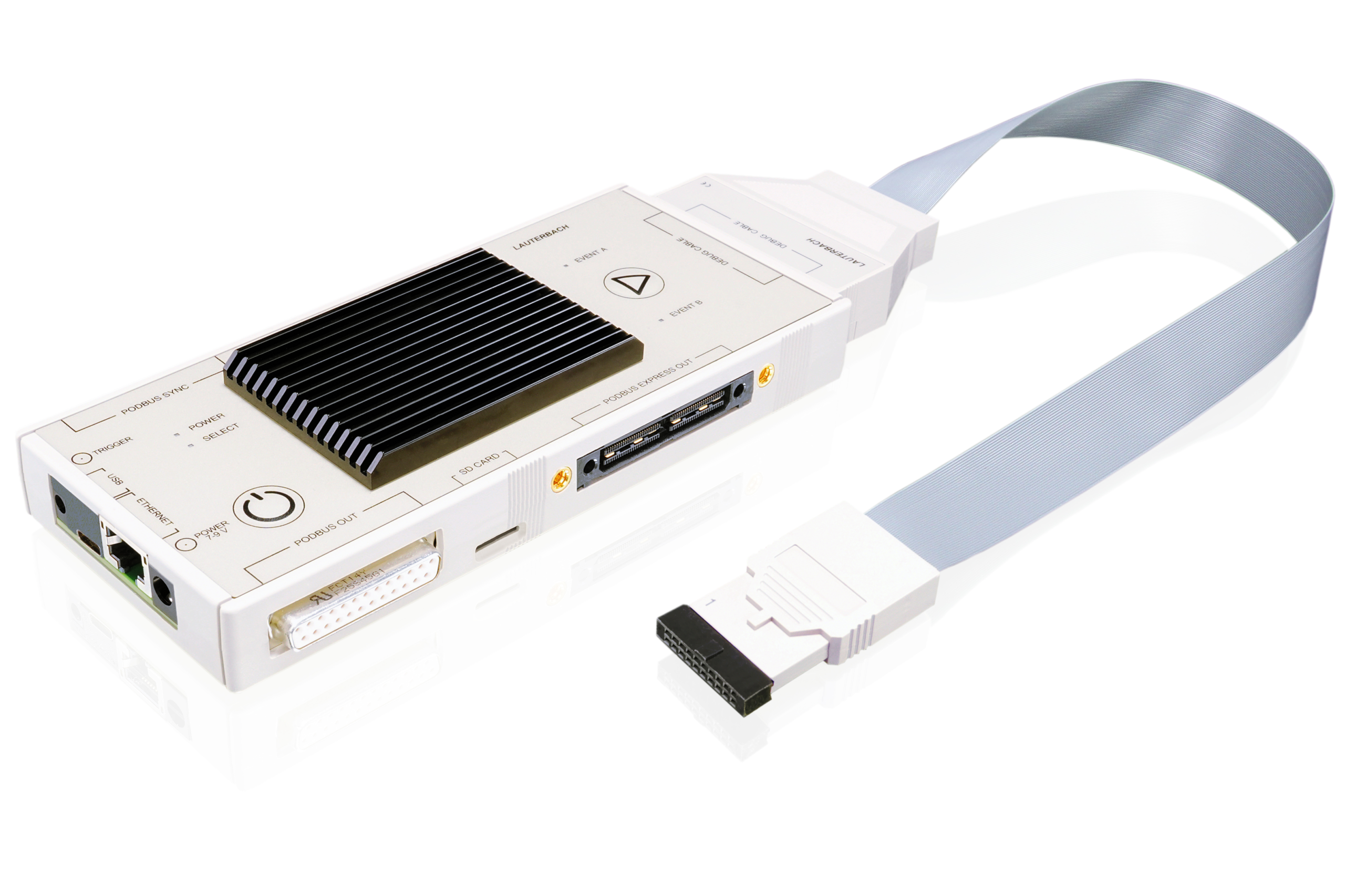
Siemens has signed an agreement to acquire German embedded development tools company Lauterbach, bringing real-time software debugging and trace technology into its electronic design automation portfolio. The planned transaction is intended to connect hardware-assisted semiconductor verification with the tools engineers use to investigate how software behaves on individual processors and complex systems-on-chip.
Lauterbach, based in Höhenkirchen near Munich, develops the TRACE32 family of debugging and tracing products. Its tools support microprocessors, embedded CPU cores and heterogeneous chip architectures, combining hardware interfaces with software for observing program execution, memory states and timing. Siemens expects the acquisition to close during the first half of 2027, subject to regulatory approvals and customary conditions. The companies have not disclosed a purchase price, and ownership has not yet transferred.
Chip design and embedded software are frequently tested in separate engineering environments. Hardware teams can simulate or emulate the logic of a chip before a physical sample exists, while software teams must establish that operating systems, drivers and application code behave correctly on the intended processor. Problems emerge at their boundary: a software sequence may assume a particular hardware response, or an implementation detail may introduce timing and data-handling conditions that application developers did not anticipate.
Hardware-assisted verification uses specialised computing infrastructure to execute detailed representations of complex chips at useful scale. That allows engineers to run test workloads against a design and examine functional interactions earlier than would be possible if they waited for fabricated silicon. Debugging and trace tools add a different form of evidence: they can reveal execution paths, instruction sequences, interrupt behaviour, data accesses and timing relationships that help explain why a particular software workload succeeds or fails.
Lauterbach’s PowerDebug hardware provides an interface between development systems and a processor or supported target, while PowerTrace technology can collect execution information without repeatedly stopping an application. The company describes its TRACE32 PowerView environment as a common interface for software debugging, trace analysis, performance investigations and code coverage. Different target processors and trace ports need appropriate probes and interfaces, so access to full diagnostic information depends on the features exposed by the chip and its development platform.
Siemens intends to make those diagnostic capabilities part of a more continuous development workflow, combining its existing verification environment with Lauterbach’s software analysis. The proposed arrangement could allow engineers to correlate hardware design behaviour with observations from embedded code instead of analysing the two domains through disconnected test arrangements. Whether that becomes one integrated engineering environment, and what existing users will need to change, will depend on product integration after completion of the acquisition.
The technical challenge grows with the use of multicore devices and software-defined equipment. Modern automotive electronics, industrial controls, connected equipment and communications hardware may combine several processor types, accelerators and dedicated peripherals in one package. A fault may arise only when different cores access shared resources, when interrupts occur in a particular order or when a control function meets a narrow timing limit. Capturing the sequence of events is often more useful than looking solely at a final failed result.
Trace and debug information can also contribute to functional safety and cybersecurity assurance by documenting execution paths, code coverage and the behaviour of software around protected resources. Engineers may need to demonstrate that faults can be detected, safety-critical tasks complete within their allotted time and memory protection operates as designed. Those observations support evidence-based testing, while the applicable engineering standards still determine what further verification and documentation are required.
Lauterbach employs approximately 170 people and serves more than 1,200 customers internationally, including businesses in the automotive, semiconductor and telecommunications industries. Siemens says the company generated roughly €60 million in revenue in 2025. Founded by Lothar and Stephan Lauterbach in 1979, the business has developed its TRACE32 range for use across processor architectures and embedded software development environments.
Siemens says Stephan Lauterbach and Thomas Ullmann will continue working with the company after the transaction closes. It expects the combined offering to create opportunities as engineering organisations develop increasingly complex chips for artificial intelligence, communications and embedded industrial applications. The scale of any commercial synergies or timetable for specific integrated tools has not been quantified publicly.
The acquisition remains subject to regulatory approvals and other closing conditions, with completion expected in the first half of 2027. Technical integration would then need to preserve access to detailed processor-level trace information while bringing software investigations earlier into the design cycle. Siemens has not specified a release schedule for combined tools or announced changes to Lauterbach’s existing product support arrangements.