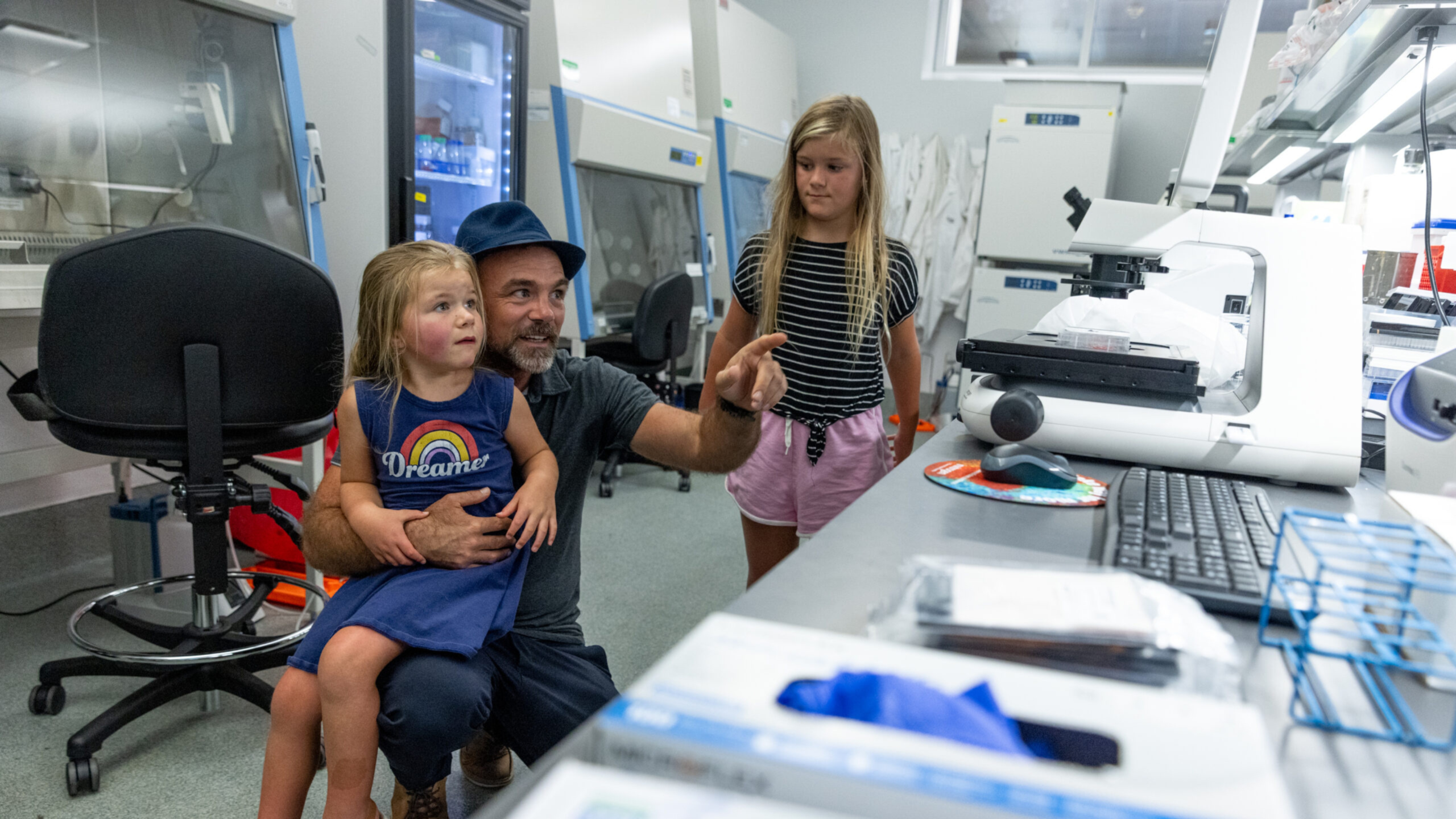
RareLabs, a division of AlphaRose Therapeutics, has launched publicly with an AI- and robotics-enabled platform built to design and validate candidate treatments for rare genetic diseases across antisense oligonucleotides, siRNAs, gene therapies, and repurposed-drug regimens.
The company describes the lab as modality agnostic, with discovery and screening capabilities organised to match each disease or patient to the most suitable therapeutic approach rather than limiting development to a single platform. RareLabs said it has already identified eight novel potential treatments for previously untreated rare diseases and has worked directly with 30 families and disease communities across four continents.
One programme highlighted at launch involved Sasha, a patient with an ultra-rare mutation in SLC6A1, a gene associated with severe neurodevelopmental and epileptic conditions. RareLabs said it designed a custom antisense oligonucleotide for the case and demonstrated efficacy in patient-derived cell lines, which it described as a critical milestone on the route towards compassionate-use treatment.
The company has appointed Dr Rob Freishtat as chief executive while he continues as chief medical officer of AlphaRose Therapeutics. In the launch announcement, Freishtat said: “Time is life for patients facing the impacts of rare conditions.” He added that RareLabs was built to compress the drug discovery timeline for patients and families facing progressive genetic disease.
Rare disease drug development remains constrained by very small patient populations, high technical risk, and a difficult path from laboratory proof to clinical use. Discovery speed is only one part of that process, but platform models that combine automation, assay development, and multiple therapeutic modalities are attracting more attention as companies look for ways to shorten early-stage timelines.
RareLabs also said it is in active discussions on partnerships in the Middle East, where it sees scope to expand access to genetic medicine discovery in regions that have historically had less access to rare-disease infrastructure. As the platform moves from launch into broader execution, attention will turn to how many of its early programmes can progress from laboratory validation towards manufacturing, regulatory engagement, and clinical delivery.