Aurrigo International plc has secured a three-year £4.5m framework agreement to supply high-performance electrical system sets for a next-generation supercar programme.
The Coventry-headquartered engineering group said £810,000 of contracted orders will be delivered this year, with remaining volumes due across 2027 and 2028 in line with the customer’s production schedule. The customer has not been named, but Aurrigo said the award is with a long-standing client.
The contract sits within Aurrigo’s automotive division, which supplies engineering and electrical systems capability to premium vehicle programmes. The business has experience across electronic control units, software development, electric vehicle systems, wire harness design, and manufactured electrical products.
Low-volume and high-performance vehicle programmes place heavy demands on electrical architecture. Supercar platforms increasingly rely on dense electronic integration, high-quality wiring systems, software-enabled control, and validation processes that leave little tolerance for late redesign or inconsistent build quality.
Aurrigo said the award reflects its R&D and engineering capability in high-tech electrical systems and integration, as well as its record in delivering complex programmes to demanding quality and timing requirements. The company also expects the automotive division to support wider group growth by complementing the engineering, integration, validation, and programme delivery capability of its autonomous technology business.
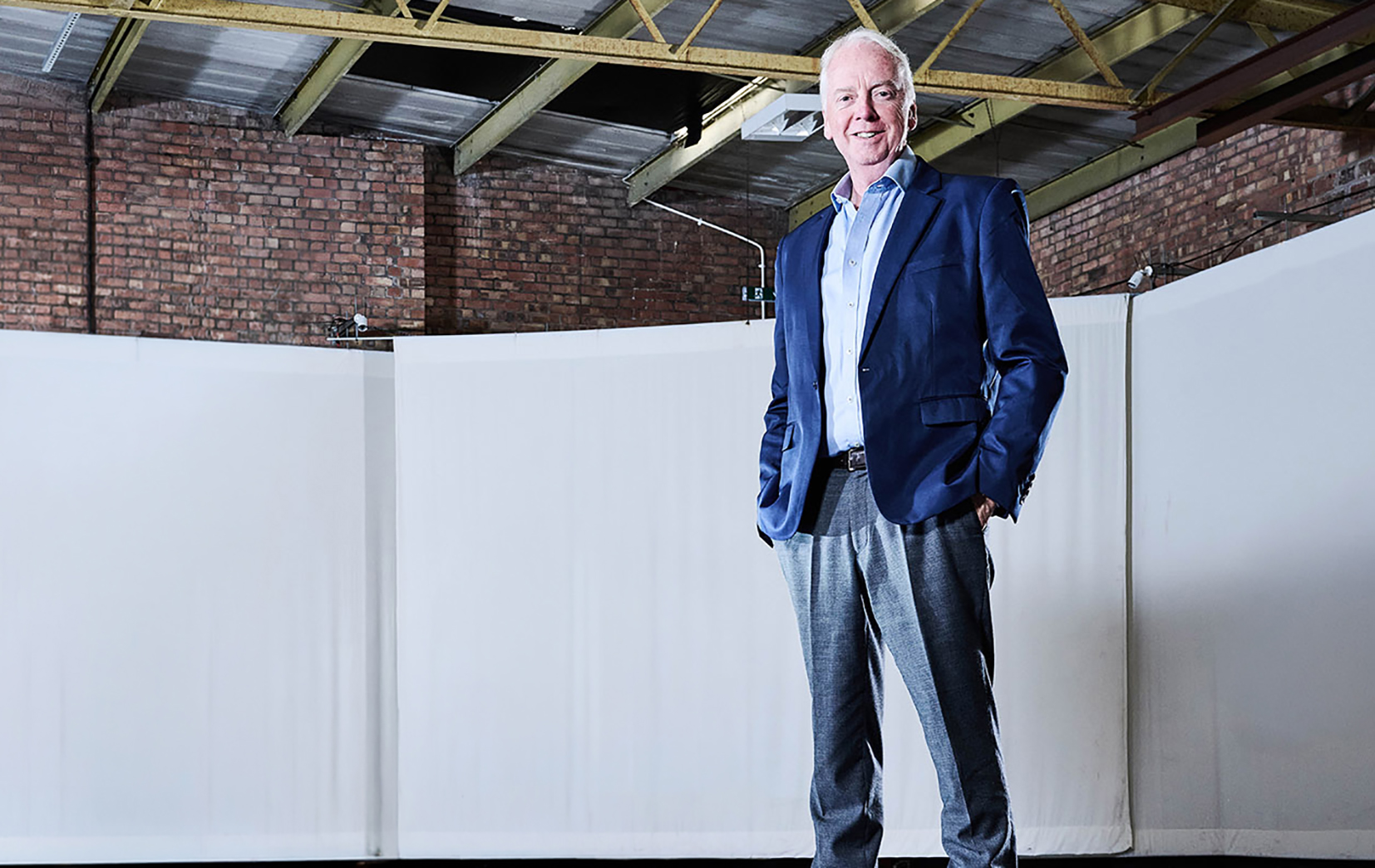
Professor David Keene MBE, CEO of Aurrigo International, said: “This contract is further proof of our world-class engineering and delivery capability. Our automotive team is the innovation engine behind our autonomy capabilities, with a vertically integrated R&D function engineering advances in hardware, software, and AI into real-world autonomous systems, turning complex programmes into deployments built to exacting standards.”
The overlap between premium automotive systems and autonomous vehicle engineering is practical as well as commercial. Both fields demand robust electrical architectures, tight programme control, validation under safety-critical conditions, and the ability to move from engineering concept to repeatable deployment. Skills developed in premium vehicle programmes can feed into autonomous systems operating in airports, controlled logistics environments, and other demanding industrial settings.
Aurrigo’s autonomous division develops software, fully autonomous vehicles, and mobile robotics platforms, with its first application focused on autonomous airport ground support equipment for moving cargo, baggage, and people airside. The latest automotive agreement gives the group contracted revenue visibility while its autonomous testing and deployment programmes continue.
Keene added: “That same discipline and technical depth feeds directly into our operations as we scale autonomy into demanding, safety-critical environments. We continue to see a strong pipeline for the autonomous division supported by high engagement from several blue-chip parties and positive progress across ongoing testing programmes.”
Further company information is available from Aurrigo International.