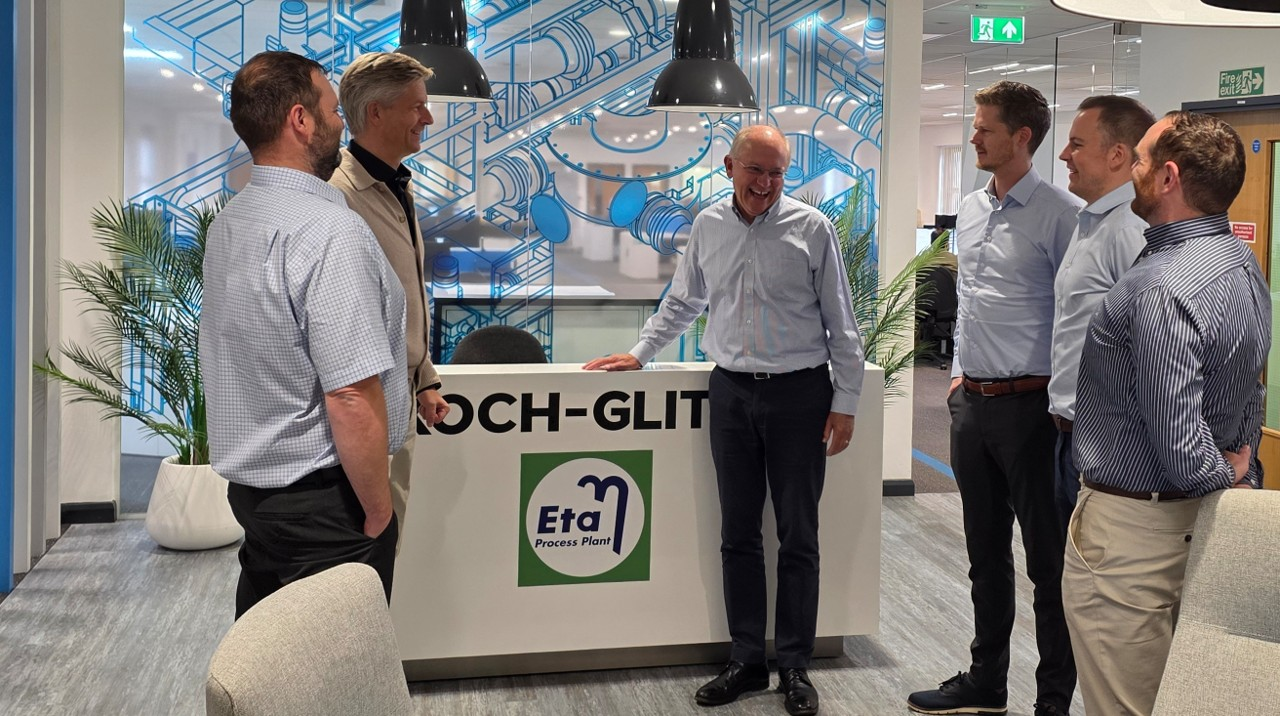
Quest Global has been appointed to Babcock International’s five-year Group Engineering Services Framework, extending an engineering relationship that began in 2023 and widening the potential scope of work across nuclear, marine, aviation, land, and mission systems programmes.
The agreement places Quest Global within a broader supplier framework Babcock is using to secure specialist engineering capability across complex defence and critical-infrastructure work. It is not a single project award with a disclosed contract value; instead, the appointment creates a route for Quest Global to compete for and deliver work under the framework as requirements emerge over the five-year period.
The expanded relationship is intended to support scale, operational performance, affordability, and long-term resilience. Quest Global operates across multiple industrial sectors and has an established UK relationship with Babcock’s naval nuclear activities. Its framework position now extends potential work into a wider range of Babcock programmes and business areas.
The two companies began working together in July 2023, initially around engineering services for Babcock’s Naval Nuclear Sector. In October 2025, Quest Global expanded that engagement and investment in UK skills covering naval architecture, electrical power distribution, and decommissioning. The latest framework appointment moves the relationship from a narrower sector engagement into a group-wide commercial mechanism.
Babcock has been building the same five-year framework with other engineering suppliers, including AtkinsRéalis and Amentum. The model is intended to provide a simpler and more consistent route for bringing specialist engineering expertise into programmes, allowing suppliers to become involved earlier and reducing repeated procurement activity across separate requirements.
Long-duration defence and nuclear programmes rarely generate engineering demand at a steady rate. Design, assurance, maintenance, upgrade, and decommissioning requirements arrive in different phases, while maintaining every specialist discipline permanently in-house can be expensive. A standing group of qualified suppliers gives Babcock a way to flex capacity without restarting the commercial process for each package of work.
The approach also reflects pressure on scarce engineering disciplines. Naval architecture, nuclear-qualified engineering, electrical power systems, systems integration, safety assurance, and decommissioning expertise depend on domain knowledge, security requirements, configuration control, and familiarity with regulated assets. Adding headcount does little if the available engineers cannot work within those constraints without increasing supervision and assurance workload.
Quest Global operates more than 100 global delivery centres and employs more than 23,000 people, giving it substantial capacity across product engineering, digital systems, and lifecycle support. The framework will test how effectively that scale can be translated into suitably qualified teams for Babcock programmes where customer, regulatory, and security requirements sharply narrow the usable skills pool.
Babcock’s supplier strategy also creates a longer planning horizon for participating engineering businesses. Major UK defence, nuclear, energy, transport, and infrastructure programmes compete for many of the same technical specialists, and a five-year route to work can support recruitment and training decisions with more confidence than a sequence of short, disconnected procurements. Inclusion on a framework, however, does not guarantee a fixed volume of work.
That distinction is central to the commercial reading of the announcement. Quest Global has not disclosed a minimum spend, guaranteed workload, or single project value associated with its appointment. The framework establishes access and qualification; the financial significance will emerge through subsequent work packages, where scope, delivery responsibility, and engineering output can be measured directly.
The framework structure also spreads delivery risk across several suppliers rather than relying on one engineering house for every discipline. That can increase resilience when workloads overlap, but it places more emphasis on Babcock’s ability to manage interfaces, standards, and technical accountability across multiple organisations.
Frameworks can simplify procurement, but they do not create engineering capacity by themselves. Babcock and its suppliers still have to assemble teams with the right clearances, technical competence, and programme knowledge, while maintaining continuity across assets whose operating lives can span decades. The value of the model will depend on whether qualified capacity is available when call-off requirements arrive.
The five-year term nevertheless extends an existing relationship beyond its original naval nuclear focus. Babcock gains another established engineering supplier able to compete across several business areas, while Quest Global gains access to a wider programme base. The next useful evidence will be the work placed through that route — particularly in disciplines where the UK’s engineering pipeline remains tight enough that a faster procurement mechanism solves only part of the constraint.