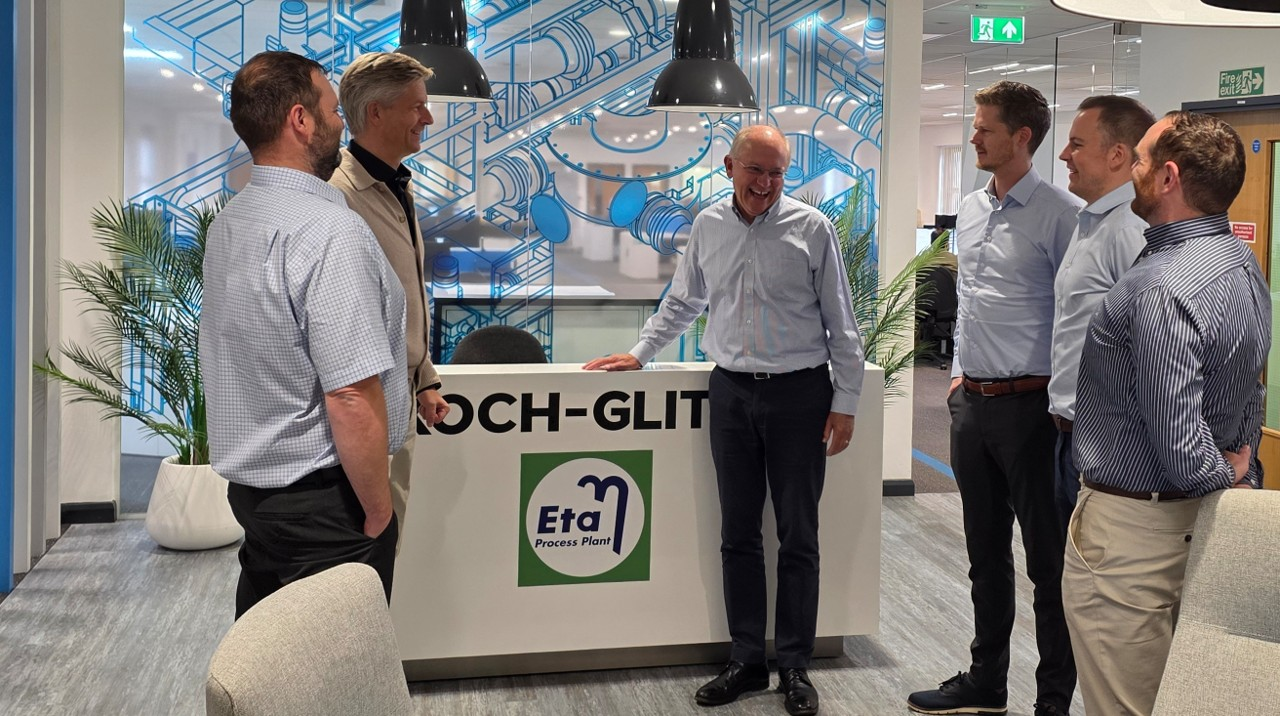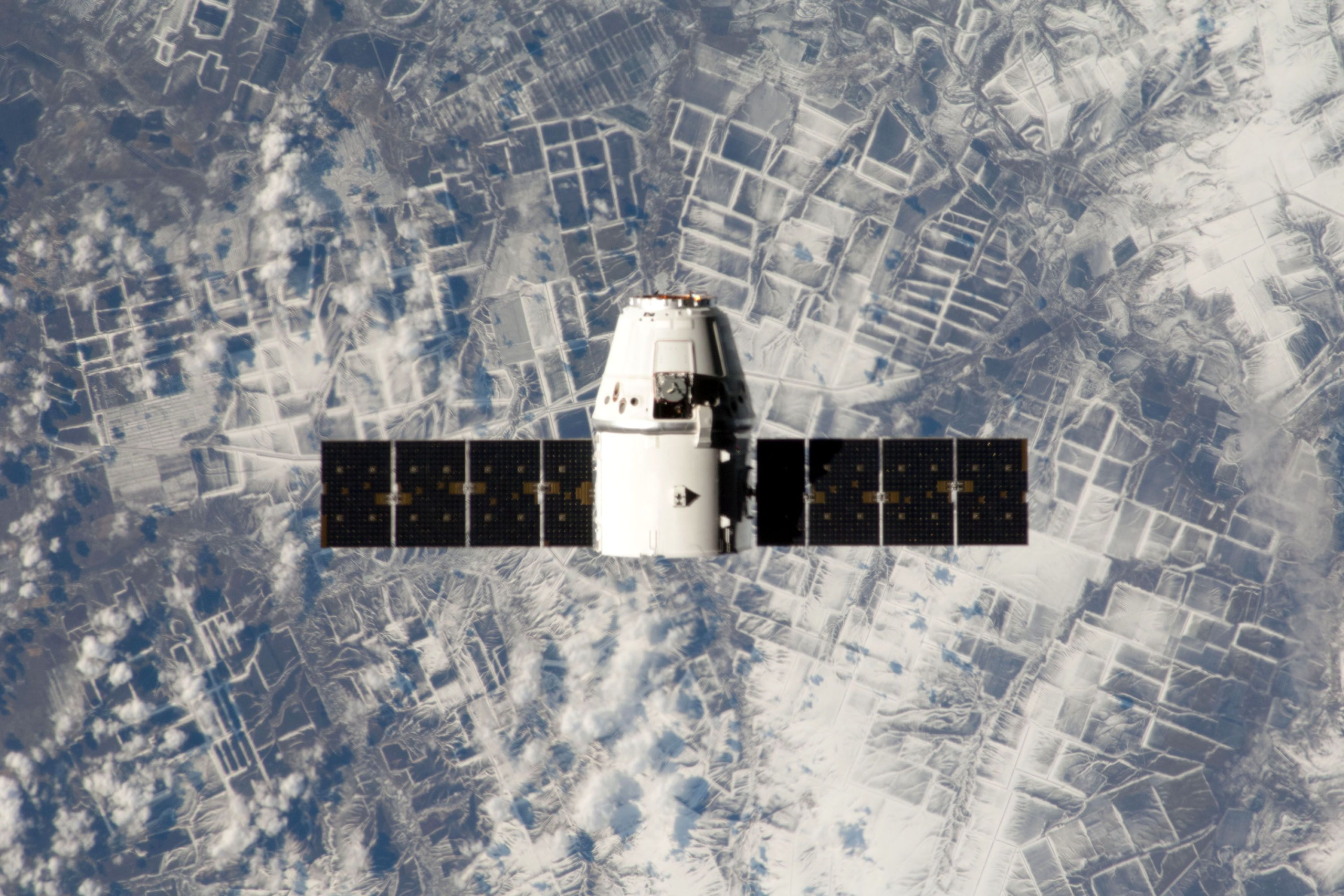
Planet Labs has opened a satellite manufacturing facility in Berlin, establishing its first full production operation outside California and creating European capacity for its 300kg-class Pelican Earth-observation spacecraft.
The company completed handover and cleanroom fit-out less than a year after announcing the project. Production is scheduled to begin this autumn, with the first Berlin-built Pelican satellite expected to be completed before the end of 2026.
Planet says the factory can scale to as many as 60 satellites annually. That would add substantial European capacity for high-resolution commercial Earth-observation spacecraft and give the company a second production base for a constellation previously manufactured primarily in the United States.
The new facility builds on Planet’s existing engineering and operational presence in Germany, which dates to its 2015 acquisition of RapidEye. Berlin already houses European engineering, mission operations, data, and commercial functions, so manufacturing is being added to an established technical base rather than created as an isolated factory.
Pelican is Planet’s higher-resolution satellite platform, designed to deliver imagery in approximately the 30cm resolution class. The spacecraft complement the company’s larger fleet of smaller satellites that provide frequent broad-area imaging.
The Berlin line is intended to support both Planet’s own constellation and dedicated satellite programmes for individual customers. That gives the factory a dual role: replenishing and expanding the company’s fleet while also providing production capacity for customers seeking defined spacecraft or mission access.
Satellite manufacturing differs from higher-volume electronics assembly because annual production is relatively low while the cost of a single failure is unusually high. Once a spacecraft is launched, hardware cannot return to a factory for repair, putting greater emphasis on assembly discipline, test coverage, configuration control, and documentation.
Pelican satellites combine optical systems, structures, power electronics, communications equipment, computing, attitude-control hardware, and thermal-management systems that have to function together through launch vibration and years of operation in orbit.
Cleanroom capability is central to the manufacturing process because contamination can degrade optical performance or affect sensitive components. Spacecraft also require environmental testing to confirm that assemblies can tolerate vibration, thermal cycling, vacuum, and electromagnetic conditions before launch.
Scaling towards 60 satellites a year requires those traditionally specialist activities to become more repeatable. Planet does not need to turn spacecraft into consumer electronics, but it does need enough design standardisation and process discipline to stop each unit becoming a bespoke engineering project.
That means fixtures, software loading, inspection, documentation, test sequences, and supplier interfaces have to work consistently enough for spacecraft to move through the factory at a predictable cadence.
Planet has already been developing that approach through its Pelican programme, launching early spacecraft while continuing production of later units. Berlin provides a second location from which the same platform can be built and supported.
The investment also arrives as European governments place greater emphasis on sovereign access to satellite data and space infrastructure. Earth-observation imagery supports agriculture, mapping, environmental monitoring, disaster response, infrastructure analysis, intelligence, and defence, giving the underlying hardware an unusually broad customer base.
Manufacturing satellites in Germany does not make every component or service European, but local production gives customers another option where industrial participation, operational control, data arrangements, or domestic capacity influence procurement.
Planet has increasingly offered dedicated satellite capacity alongside imagery subscriptions. That model allows governments or commercial organisations to secure defined access to spacecraft while relying on Planet for manufacturing, launch integration, operations, and downstream data services.
A scalable production line therefore gives the company scope to build customer-specific spacecraft without diverting all capacity away from its own constellation.
Supply-chain resilience will be another measure of the Berlin operation. Satellite manufacturing depends on specialised detectors, optics, processors, radios, sensors, reaction wheels, solar hardware, and other components whose availability can determine complete spacecraft schedules.
A second factory provides geographical redundancy only where critical suppliers, engineering data, tooling, and test capabilities can support both locations. The industrial challenge is therefore to reproduce the production system as well as the satellite design.
Planet has not disclosed the full investment value of the Berlin facility. Its more useful performance measure will be production cadence after the first spacecraft leaves the cleanroom.
A stated capacity of 60 satellites a year is substantial for spacecraft in this class, but actual output will depend on customer demand, component availability, launch schedules, and how efficiently the Pelican design moves through assembly and test.
The first Berlin-built satellite is due before year-end. Once that unit is complete, Planet will have to demonstrate that the facility can move from strategic European investment to a repeatable manufacturing operation capable of supporting both constellation growth and customer programmes.