Ofgem is backing 16 energy network innovation projects with a total of £16.2 million, including work on industrial electricity connections, transmission planning and maintaining supplies during network maintenance. The awards form part of the sixth cycle of the regulator’s Strategic Innovation Fund, delivered with Innovate UK, and cover different stages of research as well as five projects developing longer term Innovation Charters.
Industrial connections and the use of existing network capacity feature in several awards, alongside projects addressing asset maintenance and the exchange of planning information. Increasing electricity demand from factories and other large sites can expose constraints in local infrastructure, while new transmission routes face engineering, environmental and consenting requirements before construction can proceed.
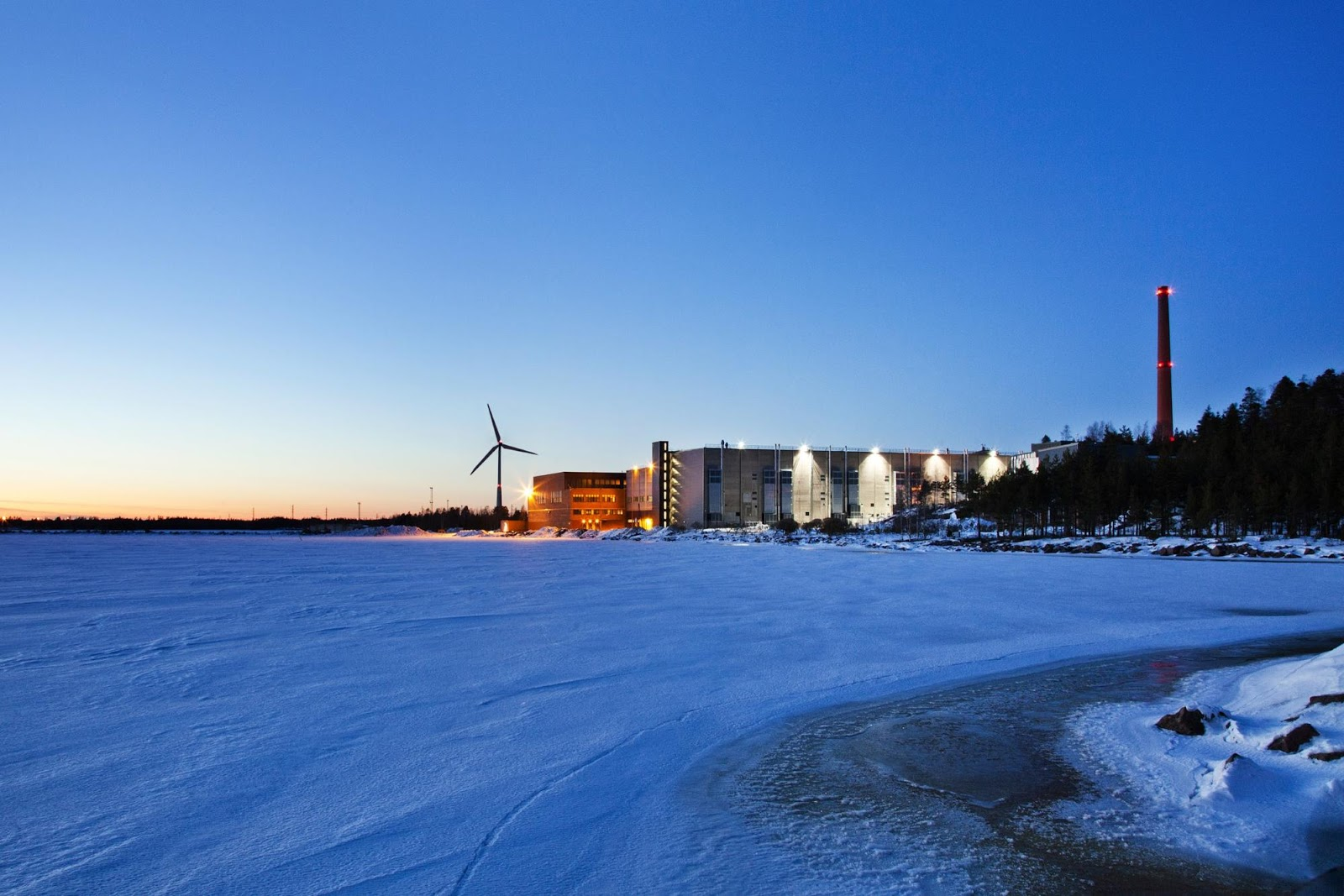
One of the discovery awards, £181,366 for Data-Integrated Systems for Power Transmission and Community Heat (DISPATCH), will support an investigation led by National Grid Electricity Distribution with EA Technology and the Centre for Energy Equality. The partners are examining whether data centres could be located where electricity capacity is more readily available and their rejected heat could serve nearby customers.
The available capacity for a computing facility depends on network configuration, existing electrical demand and planned reinforcement. Data centres also produce heat through their cooling systems, creating a potential supply for a separate heat network. These systems have different operating profiles: the computing equipment needs dependable cooling, while heat customers require suitable temperatures and may have strongly seasonal demand.
To assess whether the two systems can work together, DISPATCH will examine electricity flexibility services and the potential to share associated income with heat network operations. Its feasibility work will need to reconcile computing loads, electricity connection capacity and the timing of heat demand before any practical operating scheme could be developed.
Such work sits within a Strategic Innovation Fund ambition to enable major industrial and commercial electricity connections within six months by 2033. Achieving shorter connection times would require changes beyond the feasibility study, including network planning, equipment procurement and construction where new physical capacity is needed.
Elsewhere in the electricity system, Scottish Hydro Electric Transmission is leading Routing and Planning through Interoperable Data (RAPID), which has secured £453,988. Arup, National Grid Electricity Transmission, the National Energy System Operator and SP Transmission are partners in a project intended to improve the exchange of information used to design and obtain consent for major network infrastructure.
During transmission route development, engineers must compare asset locations, land constraints, candidate alignments and planning assumptions obtained from different organisations. Where datasets use incompatible formats, the information may need to be reconciled or analysed again before it can support a consistent assessment of engineering and environmental options.
RAPID will develop common arrangements for data exchange, including information about the provenance, coverage and limitations of individual datasets. Consistent file formats can help combine records, but engineers must also know how the measurements were obtained and whether their accuracy is sufficient for the decision being made.
The fund’s wider programme seeks to reduce network infrastructure delivery times by 50 per cent and costs by 20 per cent by 2035. RAPID may contribute to that ambition through better planning information, while physical projects will still require approvals, equipment, specialist labour and installation work after a route is selected.
A £198,237 discovery award in Bradford will examine coordinated energy planning for dispersed industrial and public sector heat users. Northern Powergrid is leading Bradford Flexible Industrial Infrastructure Transition with electricity and gas network organisations, Bradford City Council, regional partners and manufacturing interests.
Factories and other heat consumers operate to different schedules and require different temperatures, making common flexibility arrangements difficult to assess without detailed demand information. The Bradford partners will investigate where alternative heat supplies or changes in electricity use could be practical while retaining the operating conditions required by individual production processes.
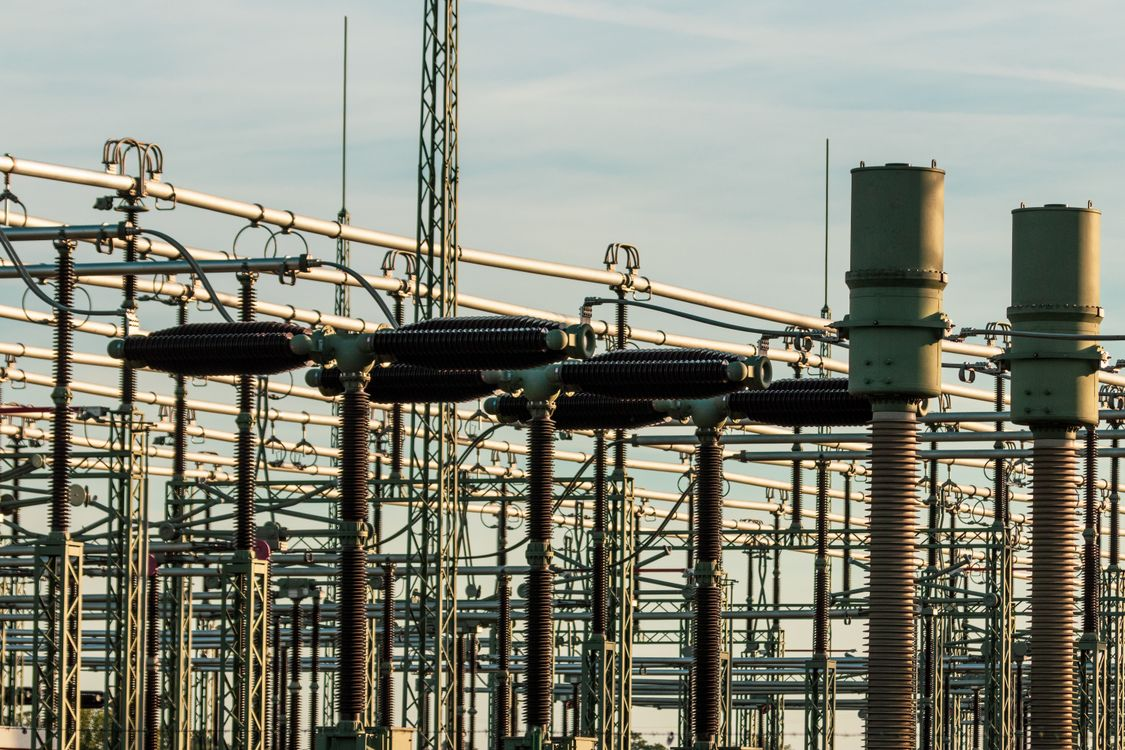
National Grid Electricity Transmission has received approximately £4.95 million for DEsign for Live Line Technology Acceleration (DELLTA), aimed at developing methods for working on high voltage assets while they remain energised. A further award of approximately £7.19 million will support Net Zero Terrace, led by Electricity North West.
Working safely on energised assets requires suitable insulation, electrical clearances, equipment design and personnel protection. Methods developed for one voltage level or type of apparatus may be unsuitable elsewhere, so the DELLTA programme must establish their safe operating conditions through research and trials before they could enter normal maintenance practice.
Net Zero Terrace instead addresses the decarbonisation of terraced housing, extending the fund beyond projects concerned directly with industrial sites and transmission equipment. Its larger award reflects a different research scope and stage, as the sixth funding cycle includes several types of energy network innovation.
Alongside the engineering research, five Innovation Charter projects will be developed through Innovation Delivery Groups involving network organisations and technical partners. The charters are expected in January 2027 and will identify priorities, gaps and measures of progress for future programmes; the physical upgrades associated with those priorities would require separate delivery work.
With the grants awarded, each team can proceed to the feasibility work, development or trials appropriate to its project and funding stage. Evidence from those activities will determine which approaches are suitable for further engineering assessment and potential deployment on the electricity and gas networks.