Odqa has demonstrated 800°C solar thermal heat in field trials in Spain and has melted aluminium in UK laboratory tests using super-heated air, advancing its concentrated solar thermal system for hard-to-abate industrial heat applications.
The Oxford-based startup is targeting industrial processes that still depend heavily on fossil fuels for high-temperature heat, including metals, cement, glass, ceramics, and mineral processing. Its technology uses mirrors, a solar tower, an air-based receiver, and thermal rock storage to generate and store heat for industrial use.
At the Plataforma Solar de Almería in Spain, Odqa completed a full-system demonstration plant integrating heliostats, a solar tower, receiver, thermal storage, and an industrial rotary dryer. The system delivered carbon-free heat at up to 800°C and dried mineral rock using heat drawn from storage.
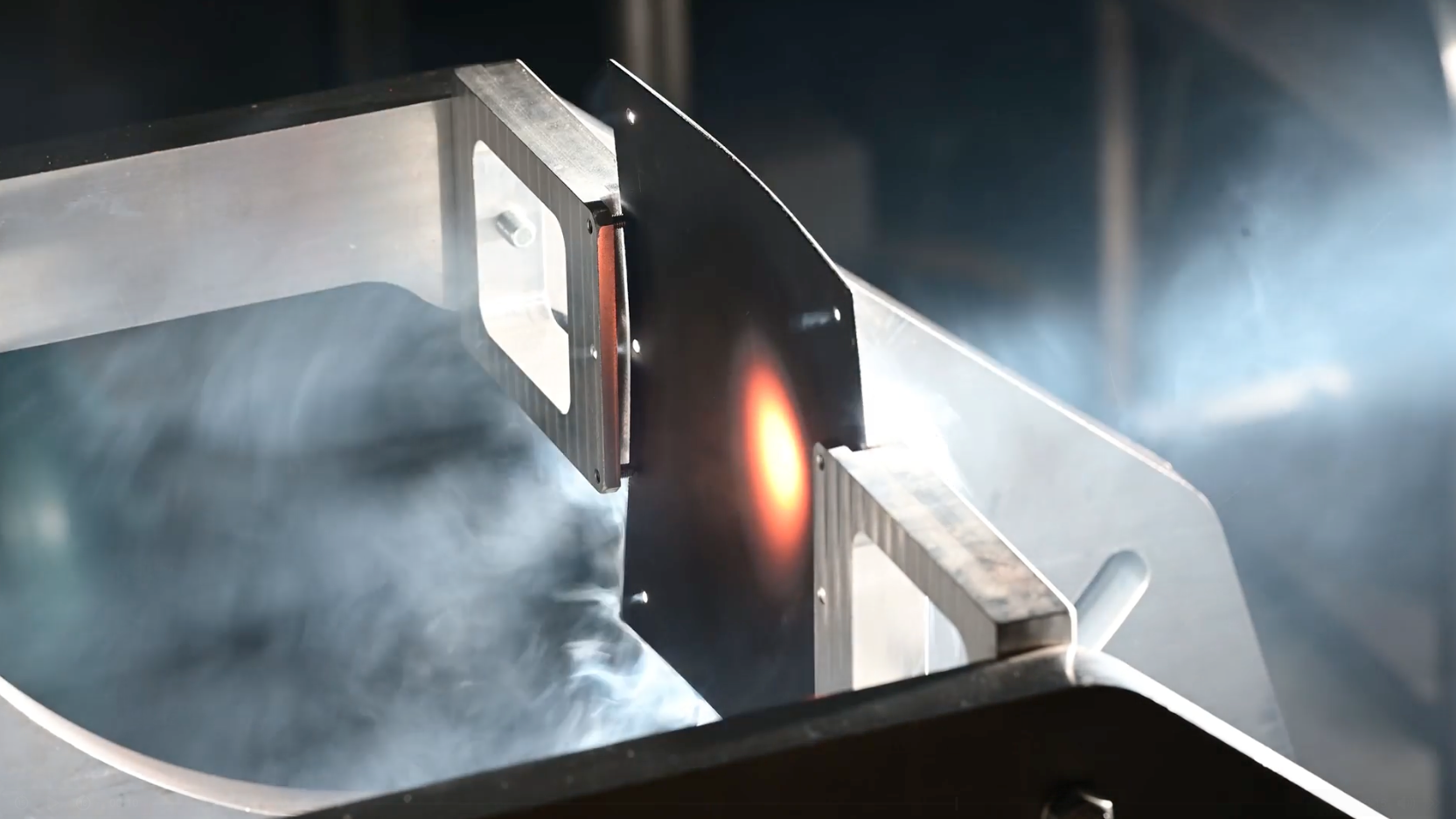
The company has also completed a bench-scale laboratory trial at its Oxford facility, melting aluminium using hot air. Odqa says it has validated laboratory temperatures exceeding 1,000°C, while its current modular air-receiver solar tower platform delivers up to 800°C today and has been lab-validated to 1,200°C.
Chris Kimmett, CEO of Odqa, said: “The reason most heavy industry hasn’t decarbonised its heat isn’t a lack of ambition, it’s the lack of a solution that works at the temperature and cost profile they actually need. Our 800°C field trials in Spain and our success melting aluminium in Oxford prove that our technology works at the temperatures and conditions that matter.”
Industrial heat remains one of the hardest sections of the energy transition. Many processes need temperatures beyond the efficient range of conventional heat pumps, while direct electrification can be limited by grid capacity, electricity prices, retrofit complexity, and operating cost exposure.
Odqa’s approach is built around replacing fossil-fired heat directly, using a rotating air-based receiver inspired by jet engine turbine systems and high-density rock beds for stored heat delivery. The company says the platform is designed to integrate with rotary dryers, kilns, and other existing industrial systems without forcing a full process redesign.
The economics will depend on solar resource, land availability, storage duration, and proximity to industrial heat demand. Concentrated solar thermal systems are most compelling in sun-rich markets where fuel price volatility, carbon exposure, and energy security are already affecting industrial operating costs.
Industrial operators interested in the PSA demonstration can access further information through Odqa’s PSA case study page, with collaboration enquiries handled through the company’s contact page.
Commercial deployment will depend on matching heat demand, storage performance, and process integration at working industrial sites. The value of renewable process heat will be measured in tonnes processed, shifts completed, and fossil fuel contracts avoided.