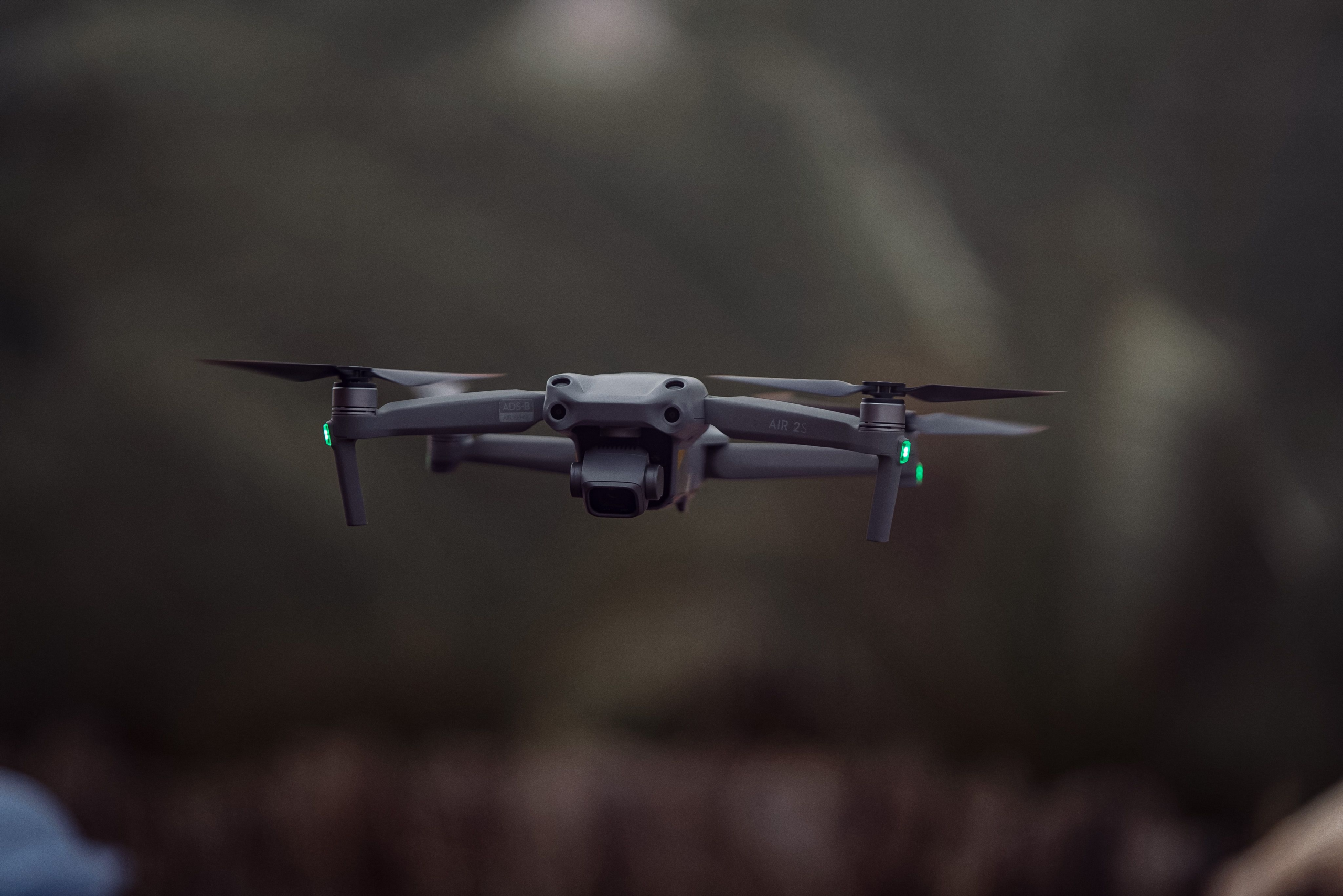
NXP Semiconductors has introduced a modular robotics development platform combining embedded AI processing, sensing, communications, motor control and security. The initial release provides an open-source software development kit and reference designs for autonomous drones, with support for other robotic systems planned for the second half of 2027.
The platform is built on NXP’s Neural Axis Architecture, which connects the processing and control functions required by a robotic machine. It is intended to reduce the engineering work involved in integrating hardware and software from different parts of a distributed control system.
The first reference designs are available now. NXP says its preconfigured hardware and software can deliver initial drone functionality in approximately 30 minutes, a claim concerning an out-of-box development demonstration rather than the time required to design, validate or certify a complete product.
Robotic equipment relies on several types of computation. Perception systems must interpret sensor information, navigation software must evaluate movement, and low-level controllers must execute commands to motors and other actuators in response to feedback from the machine.
These tasks operate at different timescales. Image processing and AI workloads can require substantial computing resources, while the control loops responsible for stable motion depend on predictable timing. A delay in producing or transmitting a motor command can affect the physical response of the machine.
The Neural Axis approach distributes work between processors according to those requirements. High-level functions can run on an applications processor, with microcontrollers handling time-sensitive operations closer to sensors and actuators. Communications systems then provide the links needed to coordinate those functions.
NXP’s initial autonomous computing reference design uses the NavQ95 platform, based on the i.MX 95 applications processor. The design provides resources for computation and flight-related functions, including applications that involve processing data from onboard sensors.
A separate Tropic vehicle management and flight management module uses the i.MX RT1064 crossover microcontroller. Its role is distinct from that of the higher-level compute platform, reflecting the need to maintain predictable embedded control functions alongside more demanding software workloads.
The reference platform also includes a 100BASE-T1 sensor node built around the MCX N947 microcontroller. Single-pair Ethernet provides a network connection for distributed sensor equipment, although achievable performance depends on the selected interfaces and system configuration.
Motor control is represented by an AM32-compliant electronic speed controller based on the MCX A13 microcontroller. That subsystem converts control commands into the electrical drive operation required by a motor, while the surrounding software has to coordinate motor response with the aircraft’s motion and sensor feedback.
Treating these elements as interoperable subsystems can reduce some of the interface development needed when building a prototype. The engineering team can begin with a documented combination of components rather than designing each hardware connection and software interface from the beginning.
NXP supplies drivers, middleware integration, reference applications, configuration tools and reusable software components through its robotics SDK. The development environment supports integration with PX4, ROS 2 and Zephyr, established open-source technologies used in vehicle control, robotics software and real-time embedded systems.
PX4 provides software used in unmanned aircraft control, while ROS 2 offers middleware and tools for robot applications that communicate across multiple components. Zephyr supports embedded systems where processor resources and timing requirements differ from those of larger applications processors.
Using these technologies together does not make their functions interchangeable. Flight control, higher-level autonomy and device-level operation remain different responsibilities, and the platform must preserve the interfaces and timing needed between them.
NXP says the preintegrated system can reduce integration effort from months to days or weeks in some development scenarios. It has not provided an independent benchmark demonstrating a fixed reduction for a defined range of commercial robots, so the timescale remains a company estimate.
The security functions available through NXP’s processors can support trusted execution and the protection of software and data. Their deployment still depends on how a manufacturer configures devices, manages updates and controls access to the resulting robotic system.
Functional safety imposes a separate requirement. The consequences of control failures depend on the machine’s task, physical environment and interaction with people or other equipment. Suitable risk assessment and system-level validation cannot be replaced by the presence of safety-related functions in individual chips.
NXP describes its reference designs as safety-ready and security-enabled, but does not claim that every robot built with the platform will automatically comply with the certifications applicable to its intended use. Industrial mobile robots, for example, may need additional protection and validation before operating in shared workspaces.
Drone technology developers blueflite and Orqa are among the companies working with NXP on early applications. Those collaborations provide initial environments for examining how the distributed platform can support aerial robotics development.
Other robotic applications require different combinations of sensors, actuators and operating constraints. An autonomous mobile robot moving through a factory, for instance, needs navigation and motor control functions but may use substantially different mechanical arrangements and safety controls from a drone.
NXP’s roadmap covers service robots, autonomous mobile robots and additional autonomous systems. The company expects further enablement during the second half of 2027, so those future designs should not be confused with the drone hardware and SDK available at launch.
The current release provides a defined starting point for drone prototypes using NXP’s processors and software integrations. Its wider industrial application will be tested as further reference designs become available and developers validate complete robotic systems for their intended operating conditions.