NORAM Electrolysis Systems Inc. (NESI) will supply electrochemical processing technology for Vulcan Energy Resources’ Central Lithium Plant in Frankfurt, advancing a commercial-scale lithium refining route for Europe’s battery materials supply chain.
The plant, located at Infraserv Industrial Park Höchst, forms part of Vulcan Energy’s Lionheart Project. The development combines lithium extraction from geothermal brines with downstream conversion into battery-quality lithium hydroxide monohydrate, creating a local source of critical material for electric vehicle batteries.
NESI’s proprietary NORSCAND electrolysis technology will be used to convert lithium chloride into lithium hydroxide monohydrate. Vulcan is targeting annual production of 24,000 tonnes of lithium hydroxide monohydrate, enough for approximately 500,000 electric vehicle batteries per year.
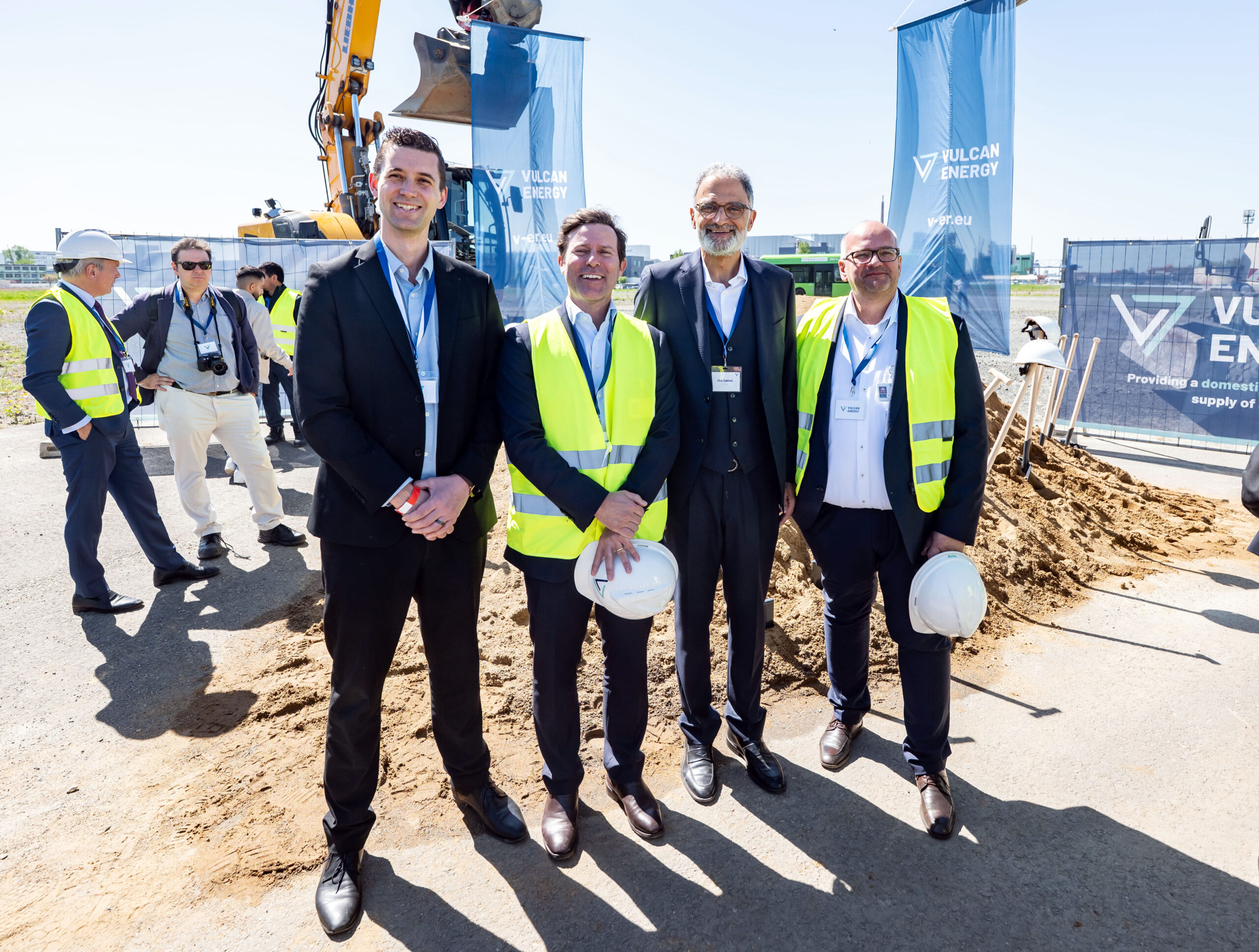
Construction has now started on the Frankfurt chemicals plant following Vulcan’s positive Final Investment Decision and the €2.2 billion funding package secured in December 2025. Commercial production is currently targeted for the second half of 2028, adding a defined industrial schedule to one of Europe’s most closely watched domestic lithium projects.
“This groundbreaking is a major validation of NESI’s role in scaling cleaner electrochemical infrastructure for battery materials,” said Jeremy Moulson, President and CEO of NESI. “By integrating our NORSCAND® technology into the Lionheart Project, we are helping advance a cleaner, electrified approach to lithium refining at commercial scale. This milestone strengthens the German-Canadian partnership and places NESI’s technology at the centre of Europe’s lithium and battery materials buildout.”
The Central Lithium Plant will act as the downstream processing hub for Vulcan’s integrated lithium and renewable energy business. By linking geothermal brine extraction with electrolysis-based refining, the project is designed to bring lithium conversion closer to European battery and automotive manufacturing.
Battery-grade lithium hydroxide remains a strategic input for cathode production, while European refining capacity has struggled to keep pace with the region’s battery manufacturing ambitions. Domestic conversion capability is therefore becoming a core part of the industrial build-out, alongside cell manufacturing, recycling, and grid-scale energy infrastructure.
“Commencing construction on our Central Lithium Plant is a defining moment for Vulcan and the European battery value chain,” said Cris Moreno, Managing Director and CEO of Vulcan Energy. “Our collaboration with NESI ensures our operations achieve the high-purity, low-impact outputs necessary to deliver the world’s first integrated sustainable lithium and renewable energy business. We are proud to work alongside partners who share our vision for a decarbonized future.”
Further details on NESI’s electrolysis systems and the Vulcan partnership are available from NESI.