British food and drink manufacturers have warned that proposed restrictions on imports of polyethylene terephthalate (PET) could increase packaging costs and place additional pressure on domestic manufacturing operations.
Coca-Cola, Carlsberg Britvic, and Princes Group are among the businesses challenging a recommendation from the Trade Remedies Authority (TRA) to introduce a tariff-rate quota on imports of the polymer, with a proposed safeguard duty of 65% applying to volumes exceeding the relevant allocations.
The manufacturers have raised concerns over the availability and cost of material used extensively in beverage bottles, food containers, and other packaging applications. Their intervention follows the conclusion of a consultation period on 22 November.
The TRA initiated its investigation on 5 August following an application from Alpek Polyester UK. Provisional findings published on 23 October concluded that increased imports had caused serious injury to domestic production.
Under the proposed arrangements, an annual import quota of 192,963 tonnes would be divided according to country of origin. Imports exceeding the applicable quota would incur an additional 65% duty if the government approves the recommendation.
The relationship between the quota and the proposed tariff could complicate procurement, particularly where manufacturers depend on regular shipments of material from overseas suppliers. Purchasing decisions would need to account for the possibility that an allocation could be exhausted before goods arrived in Britain.
Such exposure would vary between suppliers according to the applicable quota arrangements, shipping lead times, and the availability of alternative sources. Consignments originating in more distant markets could present particular difficulties because of the interval between placing an order and completing import procedures.
Packaging manufacturers also face technical constraints when changing resin suppliers. PET combines mechanical strength, transparency, and barrier characteristics with relatively low weight, allowing manufacturers to produce packaging capable of containing liquids and protecting food products throughout distribution.
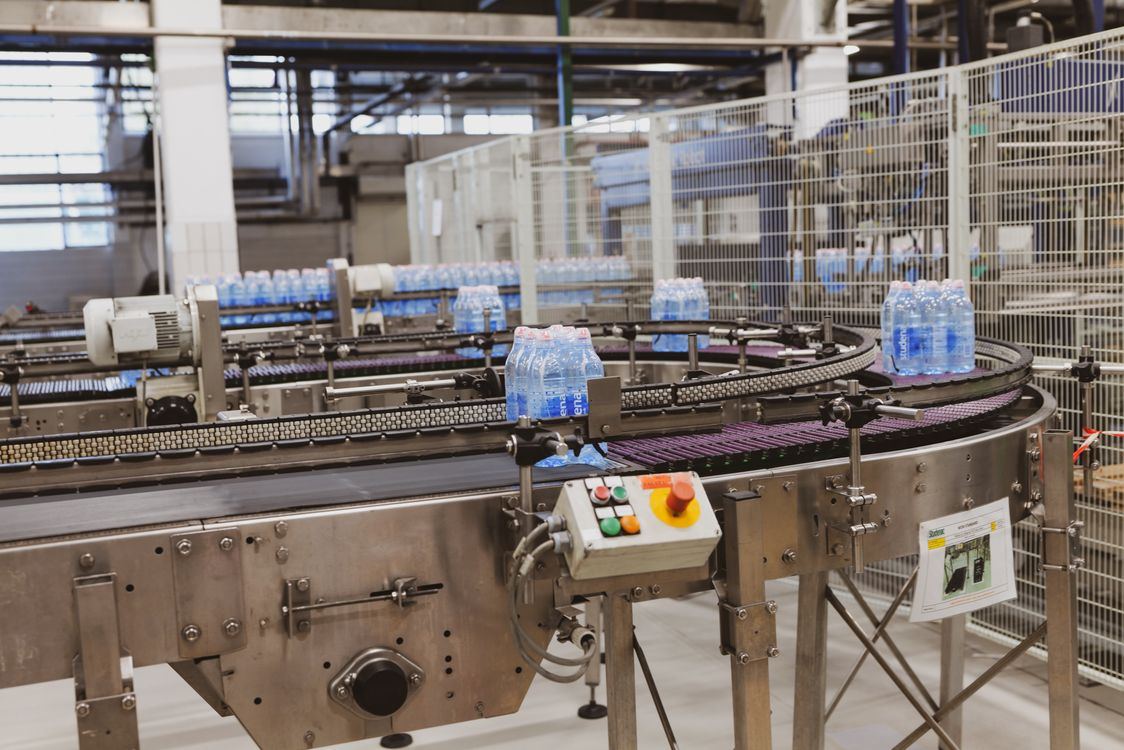
Beverage bottle production typically involves injection moulding a preform incorporating the finished container neck. The preform is subsequently heated and expanded using pressurised air, stretching the material against the walls of a mould to produce the required container geometry.
The characteristics of the resin influence how it behaves during both manufacturing stages. Moisture content, molecular weight, and thermal properties can affect processing temperatures, material flow, and the distribution of polymer through the finished container.
Inconsistent processing conditions can produce variations in wall thickness, mechanical strength, and appearance. Manufacturers must therefore establish that an alternative resin grade can achieve the required performance within the operating capabilities of their installed production equipment.
Food and beverage applications introduce additional qualification requirements because packaging must be suitable for its intended contact with the product. Changes to material specifications may require testing and approval alongside adjustments to the manufacturing process itself.
Recycled PET can provide an alternative to virgin polymer in suitable applications, but its availability depends on collection volumes, sorting performance, recycling capacity, and the quality of the recovered material.
Producing recycled resin suitable for food contact also requires appropriate decontamination processes. Equipment must remove contaminants from recovered material while preserving or restoring the polymer characteristics needed for subsequent manufacturing.
Additional demand for recycled or domestically manufactured resin could increase competition for existing supplies if imported material became more expensive. Expanding production would require investment in processing equipment, suitable feedstock, industrial infrastructure, and the personnel needed to operate the facilities.
The potential conflict between domestic polymer production and downstream manufacturing illustrates the difficulties associated with applying trade safeguards to industrial raw materials.
The measures are designed to give producers experiencing serious injury from increased imports an opportunity to adjust to changing market conditions. However, businesses purchasing the protected material may compete with manufacturers operating outside the affected market, where the same input costs do not apply.
A 65% out-of-quota duty would not translate directly into an equivalent increase in the price of finished packaging or food products. Resin represents only part of the manufacturing cost, alongside labour, energy, equipment, transportation, and other materials.
The financial consequences could nevertheless be substantial for businesses purchasing large quantities of polymer, particularly where material costs cannot readily be passed through to customers under existing commercial agreements.
Manufacturers could attempt to reduce exposure by purchasing material earlier, diversifying suppliers, or holding larger inventories. Those approaches introduce additional working capital requirements and may be constrained by storage capacity, contractual commitments, or the technical suitability of alternative resin grades.
In a parliamentary response on 23 November, the government confirmed that the TRA’s recommendation includes analysis of the potential economic consequences for downstream industries, consumers, and importers.
Ministers have yet to decide whether to impose the proposed safeguard. The availability of competitively priced polymer will remain central to that assessment as the government considers the interests of domestic resin production alongside those of the manufacturing businesses dependent on its output.