Lanes Health is using production monitoring across nine manufacturing lines to identify previously unrecorded downtime and give production, engineering, quality assurance and finance teams access to the same operational information. The Gloucester-based healthcare manufacturer has deployed technology from FourJaw Manufacturing Analytics, replacing elements of its manual reporting with recorded machine activity. Bottling stoppages that had not been visible in earlier reporting are now being investigated, while other departments are using the data to track work in progress and support factory decisions.
Lanes Health produces healthcare products under brands including Olbas, Kalms, Jakemans and Pro Plus. Its manufacturing operations cover liquids, oils, tablets, capsules, powders and creams, with processes including bottle filling, blistering, coating and labelling. A line handling filled bottles has a different combination of machines and potential stoppages from one producing or packaging tablets. Comparing performance across these operations therefore requires a record of when equipment is running, when it is unavailable and what was happening around a stoppage, rather than relying only on an overall daily production figure.
Before the FourJaw implementation, teams used manual processes and accounts from employees to monitor batches, assign priorities and investigate interruptions. That approach could identify major breakdowns, but it was less effective at building a consistent history of shorter stops or showing which recurring problems were consuming the most production time. The company says it can now examine the timing and frequency of incidents and use the evidence to focus engineering work on the losses that are constraining output.
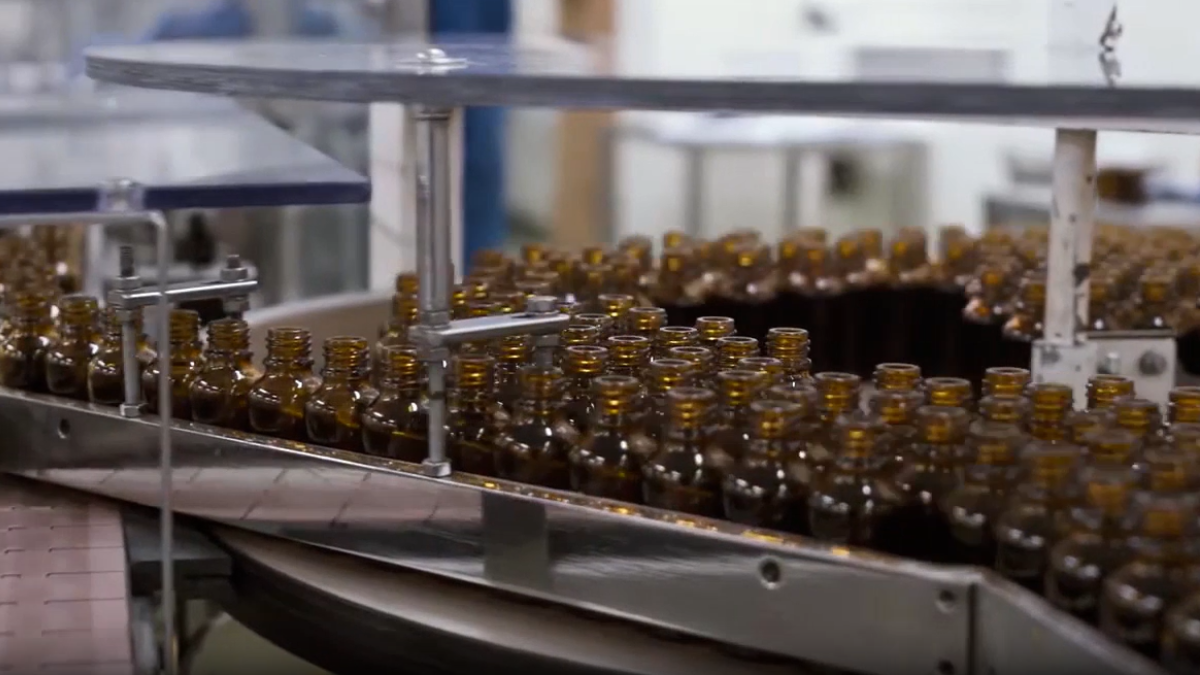
The clearest reported finding concerns bottling. Lanes Health identified hidden downtime on its bottling lines and began tracing the underlying causes, allowing its engineering and production teams to decide which interruptions required attention first. It has not released a percentage improvement in utilisation, an increase in finished output or a quantified saving. The established result is better identification of lost production time and a more consistent basis for deciding how to address it, rather than a measured productivity gain.
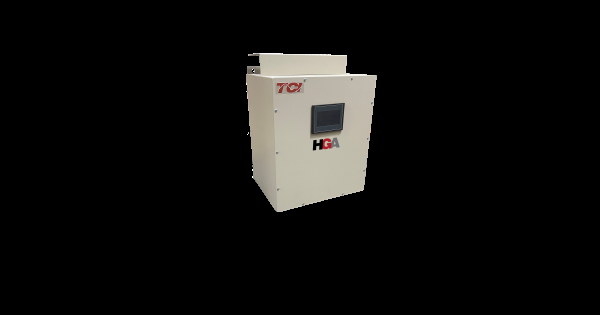
FourJaw’s general MachineLink architecture captures electrical activity from manufacturing equipment and translates the readings into states such as running, idle and stopped. Its published installation guidance describes non-invasive current sensors and an internet-connected device that sends readings to a web platform. Where the relevant operator interface is used, employees can assign reasons for stoppages, including setup, maintenance, inspection or material shortages. FourJaw has not disclosed the precise sensors, connections or operator hardware installed on each of Lanes Health’s nine lines, so those product details describe the wider platform rather than a verified site-specific configuration.
A machine state alone cannot establish the cause of a loss. A motor may stop because of a fault, a planned changeover or a shortage of containers entering the line; the appropriate response differs in each case. Combining automatic time records with operator explanations allows the production team to compare recurring events and check whether a repair, scheduling adjustment or materials-handling change has reduced their frequency. A bottleneck also depends on the sequence of operations: downtime at a rate-limiting process can restrict the whole line, while a stop on equipment with spare capacity may have less immediate effect on finished output.
The same event history is being used by Lanes Health’s quality assurance team. Recorded interruptions give investigators an account of when production stopped and help them establish which equipment and batches were affected. Claire Allen, QMS Officer at Lanes Health, said: “Now we have documented data that helps us pinpoint recurring issues, share clear evidence with engineering and production, and focus improvement work where it will have the biggest impact.” The company says its quality team can verify interruptions more quickly and discuss their causes using the recorded information, although it has not published a measured reduction in investigation time.
Production monitoring is an input to those investigations, not a replacement for product quality systems. In healthcare manufacturing, the circumstances of an interruption may need to be reconciled with batch records, process controls and established procedures before a product can move to its next stage. A dashboard showing the time and duration of a stop cannot by itself determine whether material meets its specification. It can, however, reduce reliance on recollection when teams reconstruct the sequence of manufacturing or packaging events.
Finance is using the data to distinguish live manufacturing activity from completed production at the end of a reporting period. Materials may already have incurred processing costs even though a batch has yet to reach final packaging or despatch. Anna Gibbons, Finance Manager at Lanes Health, said the system provides a clearer view of factory activity and its relationship with costs. She added: “That visibility gives finance stronger data to support costing, month-end reporting and operational decision-making.”
The operational record can help finance identify work still in progress and understand how factory resources are being used, but it does not automatically calculate inventory value or determine the accounting treatment of a batch. Those figures still depend on the manufacturer’s costing methods and financial records. What changes is the quality and timeliness of the production information available when finance reconciles output, work in progress and the period’s manufacturing activity.
Engineering, production, quality assurance, lean manufacturing and finance can consequently work from a common record while applying it to different decisions. Maintenance teams may focus on repeat equipment faults; production managers on line constraints and batch progress; quality personnel on the chronology of interruptions; and finance on the status of unfinished work. Chris Iveson, chief executive of FourJaw Manufacturing Analytics, describes the project as a move from anecdotal accounts to objective, shared operational information. The benefit of that common record still depends on teams classifying events accurately and making appropriate changes to processes or equipment.
The deployment has established monitoring across nine lines, but Lanes Health has not disclosed the installation cost, precise integration arrangements, return on investment or a formal before-and-after output comparison. Its immediate operational work is to turn the bottling downtime already identified into corrective actions and determine whether the same monitoring approach reveals repeatable improvements elsewhere in the factory. A recorded loss becomes a manufacturing improvement only when its cause is addressed and subsequent performance confirms the change.