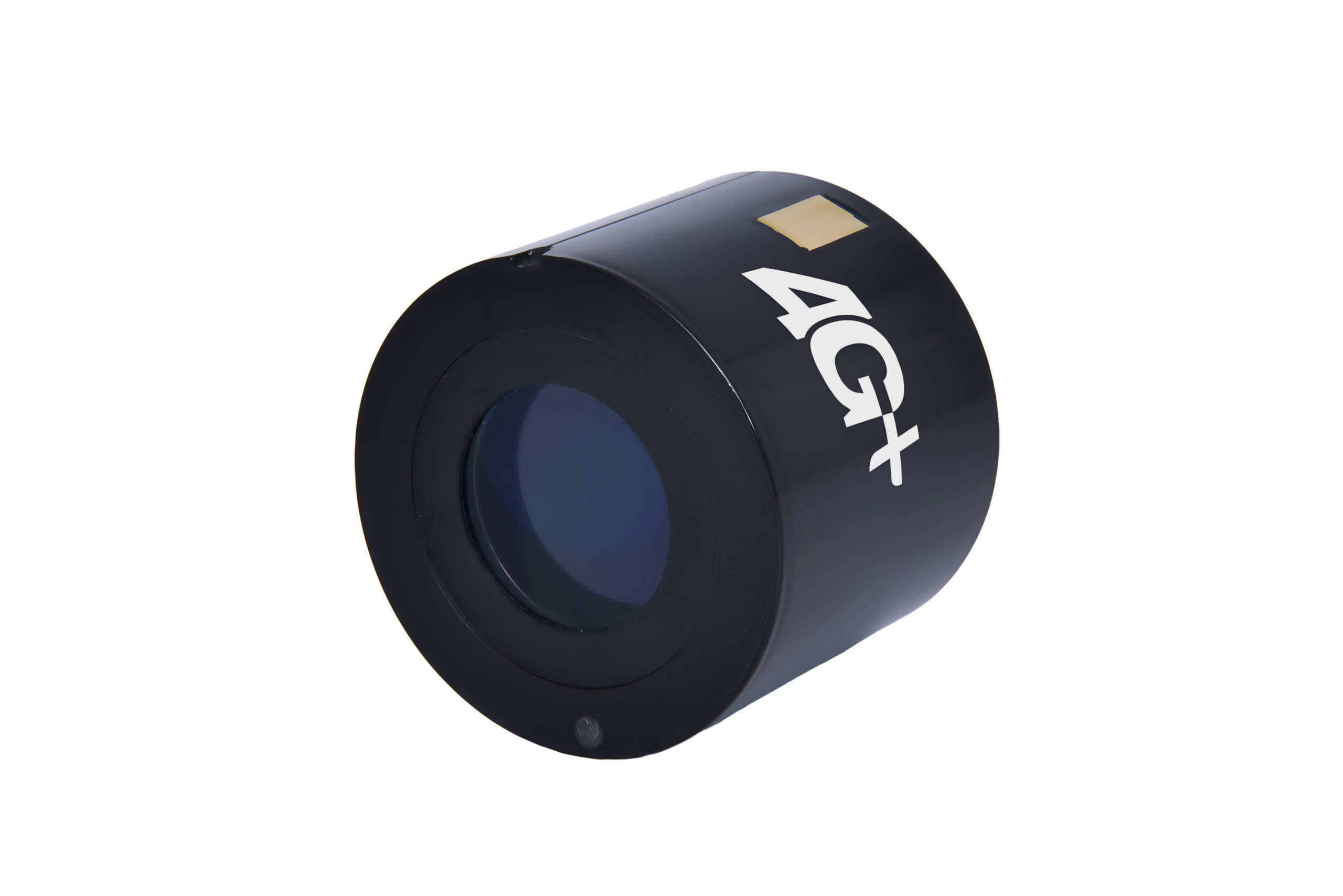
Exosens has received a firm order for 25,000 4G+ image intensifier tubes for integration into Theon Sensors’ night vision equipment. Shipments are expected to begin at the end of 2026 under a long-term supply agreement extended in 2025 to cover deliveries through 2030. The new order commits Exosens to a substantial component manufacturing programme, although neither the contract price nor the annual delivery quantities were published.
Theon holds options for another 35,000 tubes, taking the potential volume to 60,000 only if the additional quantities are exercised and confirmed. Those optional units do not form part of the current firm order. The existing long-term agreement provides the commercial framework for supply; the newly confirmed development is the initial 25,000-unit order, with remaining purchases and the production schedule beyond the first deliveries still subject to subsequent customer decisions.
An image intensifier amplifies available light within an optical system. Incoming photons strike a photocathode, releasing electrons that pass through an amplification stage before reaching a phosphor screen, where they are converted into an image visible to the user. The tube performs that conversion inside the customer’s night vision assembly, which also needs lenses, power electronics and mechanical protection. Exosens is supplying this component rather than completed binoculars or other end-user devices.
The 4G+ family combines high sensitivity with rapid automatic gating and technology intended to reduce the halo produced around bright light sources. Gating controls the response as light levels change, helping the image remain usable when illumination increases suddenly. Those attributes are described in the manufacturer’s product information; the customer must still integrate the ordered tubes with its own optical and electrical design, and Exosens has not released order-specific field test results.
The product specifications published for the wider 4G+ family include a minimum figure of merit of 2,300 for the relevant 18mm configuration, a minimum signal-to-noise ratio of 30 and minimum centre resolution of 72 line pairs per millimetre. Figure of merit combines resolution with signal-to-noise performance, providing one comparative measure of intensifier capability. Those published family figures should not be treated as individually verified test results for every tube covered by this order, particularly where the customer may specify particular configurations or acceptance requirements.
Spectral sensitivity also affects how the instrument responds to different sources of illumination. Exosens lists coverage extending from 350nm to 1,064nm for its 4G+ family, spanning visible light and parts of the near-infrared range. The benefit depends on the associated optics, filters and operating environment. Greater sensitivity does not remove the limitations imposed by conditions such as obscuration, abrupt changes in light and the optical characteristics of the complete device.
Keeping performance consistent across successive production batches is essential when supplying 25,000 image intensifiers. The photocathode response, amplification gain, phosphor image and mechanical interfaces must meet the agreed product specification, with suitable inspection and traceability for the shipped parts. Theon’s subsequent system assembly and acceptance will constitute another stage of qualification. Component inspection cannot substitute for finished-device testing, which must account for optical alignment, electrical interfaces, mechanical protection and the configuration of the customer’s complete night vision equipment. Exosens has not disclosed batch sizes, manufacturing yields or the detailed delivery profile associated with the order.
Exosens reports 13 production and research sites across Europe and North America and more than 2,000 employees. Its electro-optical portfolio includes detection and imaging technologies beyond night vision, but the Theon order concerns intensifier tubes. The company describes itself as a supplier of high-performance image intensifiers outside US International Traffic in Arms Regulations controls. That characterisation should not be read as an independent legal assessment of export obligations applying to each completed Theon system or destination country.
Earlier investment in European imaging capacity forms the manufacturing background to the order, but is not the same event. The latest commitment will require components to be produced and shipped for installation in Theon’s products for European customers. Theon remains responsible for integrating the tubes into finished devices, and specific annual production volumes under the supply agreement have not been disclosed.
Initial tube deliveries are expected towards the end of 2026, with the supply agreement continuing through 2030. Exosens has confirmed 25,000 units, not 60,000; additional manufacturing demand depends on Theon’s exercise of the options for a further 35,000. Progress can be assessed against confirmed shipments and any later order decisions, rather than treating the potential total as production already booked.