Food manufacturing provides a particularly useful view of the investment problem facing much of industry, because producers are being asked to manage persistent cost pressure while maintaining the productivity, product development, and operational capability required for future growth. The latest edition of IN Food approaches that challenge through the practical decisions being made across processing, packaging, ingredients, automation, and plant operations, where the value of new equipment increasingly depends on how well it adapts to changing products, volumes, and operating conditions.
That is evident in cereal and bakery production, where conventional measures of capacity are becoming less useful on their own. Modern cereal systems are being designed around modular equipment, controllable processes, easier cleaning, and faster changeovers, while bakery investment is moving towards product mix, automation, energy performance, asset utilisation, and distribution efficiency rather than indiscriminate expansion of standard bread capacity.
Elsewhere in the issue, the same emphasis on operational detail appears in very different forms. Digital HACCP systems can improve traceability while allowing faster intervention when process conditions move outside defined limits, Technidrive examines how specification and operating environment influence the life of drive systems in potato processing, and Smurfit Westrock considers secondary packaging in the wider context of line efficiency, logistics, material use, and cost to serve.
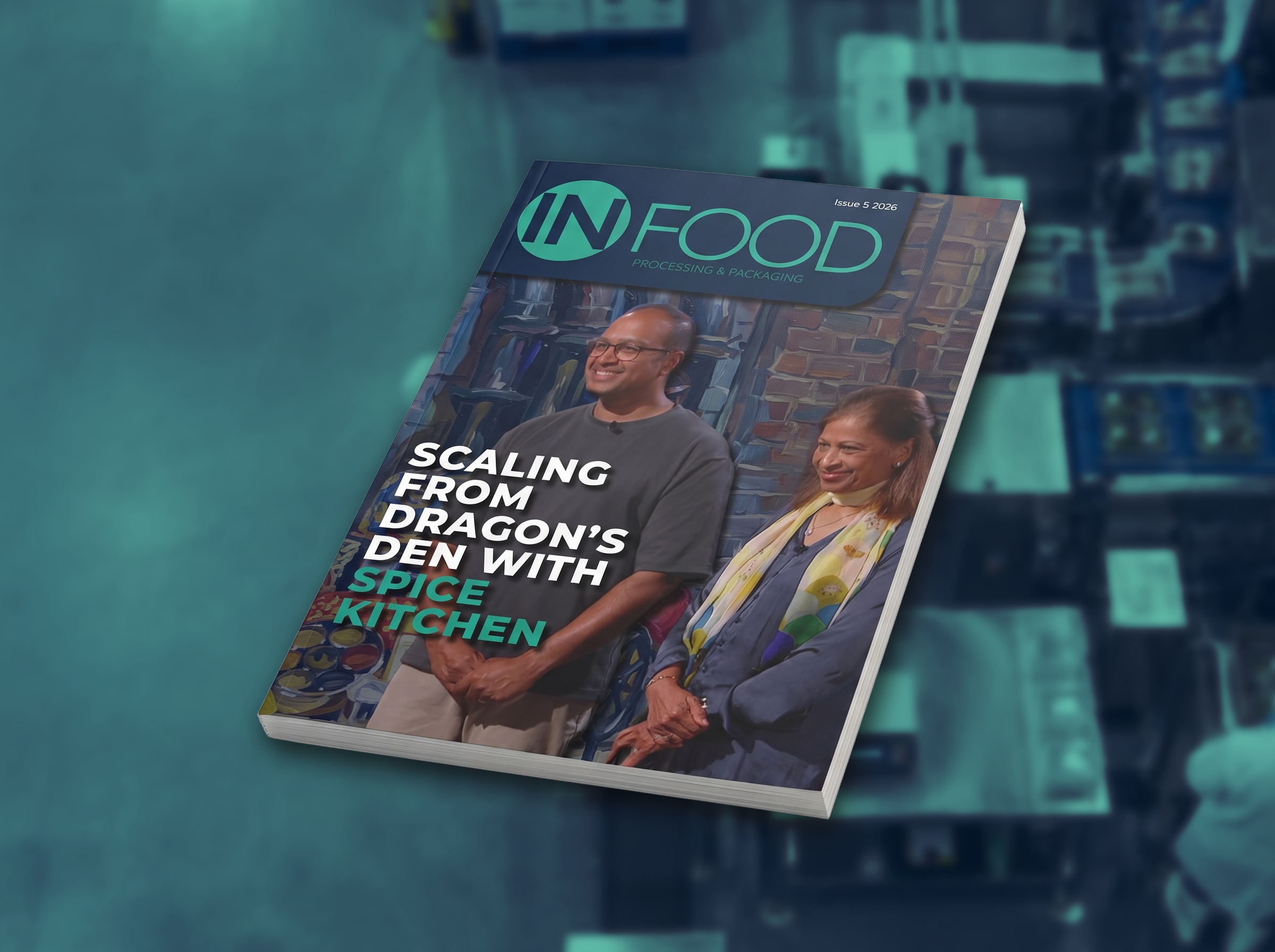
Ingredients and formulation add another layer, with ACI Group examining the technical compromises involved in higher protein products and Seprify discussing the scale up of cellulose based alternatives to titanium dioxide. The cover interview with Spice Kitchen founder Sanjay Aggarwal then brings many of those considerations together at company level, as a growing manufacturer weighs packaging automation, production flow, stock planning, supplier resilience, and future capacity against the need to keep investment tied to identifiable operational constraints.
For manufacturers beyond food, that makes this edition relevant for familiar reasons: capital remains necessary, but the standard for deciding where it goes is becoming considerably more demanding.