Hitachi Energy plans to invest C$479 million in a factory producing electrical insulation materials for power transformers in London, Ontario, establishing Canada’s first manufacturing line for specialist electrical-grade pressboard. The facility will supply transformer producers in Canada and other markets as manufacturers expand capacity to meet rising electricity network demand.
Announced on 16 October, the project involves a planned 21,000-square-metre plant with completion targeted for 2028. Federal government information identifies potential annual output of up to 20,000 tonnes of pressboard and laminated insulation materials, while Hitachi Energy expects the factory to create more than 100 permanent skilled jobs.
The investment creates manufacturing capability rather than immediate production output. Neither the 20,000-tonne figure nor the employment forecast describes an achieved result, and the company has not published a commissioning schedule for individual production lines within the planned facility.
Canada’s federal government has announced C$30 million of support, comprising C$20 million through the Strategic Response Fund and C$10 million from Natural Resources Canada’s Investments in Forest Industry Transformation programme. The Ontario government is prepared to provide up to C$20 million through the Invest Ontario Fund, subject to a definitive funding agreement.
The possible combined public contribution is therefore up to C$50 million within the wider C$479 million project, rather than an additional investment of that amount. Ontario’s conditional contribution should not be described as money already received by the manufacturer.
Electrical insulation pressboard is a specialised cellulose-based material used inside transformers to provide separation and mechanical support around components operating at different electrical potentials. It must retain suitable dielectric and mechanical properties despite heating, electrical stress and the conditions inside a transformer.
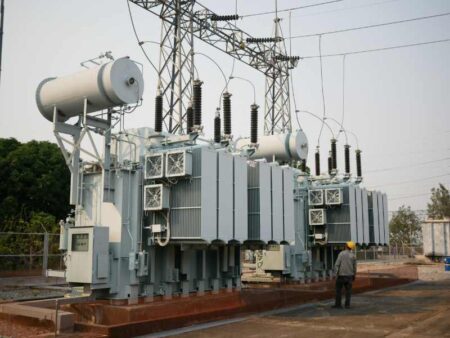
A transformer transfers energy between electrical circuits through magnetic induction, changing voltage according to the requirements of transmission, distribution or industrial use. The windings and associated insulation operate as an integrated system: the material separating conductors must withstand voltage differences while permitting a configuration that can be cooled effectively.
Insulating pressboard can be formed into barriers, spacers and other components that establish clearances and support the geometry of the windings. The shape, thickness and placement of those parts influence electrical field distribution and the paths through which the transformer’s insulating liquid can circulate.
Thermal performance depends on the way heat generated by electrical losses is removed from the active components. A material that provides electrical separation but obstructs essential cooling routes can affect the operating temperature of the transformer, making the relationship between insulation design and thermal management an important engineering consideration.
Cellulose insulation is sensitive to moisture and other conditions encountered during manufacturing and operation. Material preparation, processing, drying and storage must therefore be controlled to produce consistent electrical properties and avoid introducing factors that could accelerate ageing or compromise dielectric performance.
Electrical-grade pressboard cannot be substituted indiscriminately with conventional packaging or construction board. Transformer manufacturers specify material properties, dimensions, cleanliness and performance for the intended equipment, and suppliers must be able to demonstrate that their products meet the applicable requirements.
Hitachi Energy’s new line is intended to manufacture both pressboard and laminated components. Laminated insulation can combine processed layers into thicker or more specialised forms, allowing designers to obtain dimensions and properties suited to different parts of a transformer assembly.
The government has linked the factory to the use of Canadian wood fibre, creating a potential domestic market for material from the forest products sector. Turning that feedstock into electrical insulation requires specialised processing and quality control rather than conventional paperboard production alone.
The facility will use manufacturing technology and automation intended to improve production efficiency, although the companies and governments have not supplied equipment specifications or guaranteed operating performance. The stated annual tonnage remains a planned capacity pending construction, qualification and production ramp-up.
The new factory will be Hitachi Energy’s first pressboard manufacturing line in the Americas. It is intended to supply the company’s transformer operations at Varennes, Quebec, alongside other customers across North America and international markets.
Its position within the supply chain is distinct from manufacturing a complete power transformer. Pressboard is one of several specialist inputs needed in transformer production, alongside conductors, electrical steel, structural components and other insulating materials. Availability of those inputs can influence delivery schedules even when assembly space and labour are available.
Transformer production has come under pressure as utilities and industrial customers seek equipment for network reinforcement, renewable electricity connections, electrification and new data centre loads. A shortage of qualified insulation can delay completion because changing a specified material requires engineering and quality assurance consideration.
Manufacturing more of that material closer to transformer factories may shorten some supply routes and improve access to qualified products. It does not remove the need for other components or guarantee a shorter delivery time for every transformer ordered in Canada.
Hitachi Energy previously acquired Canduct, a London-based manufacturer of transformer insulation kits and components. It has also announced a C$270 million expansion at its Varennes plant intended to substantially increase large power transformer production capacity, which is separate from the new pressboard manufacturing investment.
The Ontario development forms part of Hitachi Energy’s wider commitment to invest more than US$2 billion in North American supply chains through 2027. That corporate programme includes different equipment and facilities, so its value should not be treated as additional spending solely on the London pressboard line.
The federal government says Hitachi Energy intends to retain approximately 1,250 employees in Canada and increase its national workforce to 1,765. Those corporate figures cover more than the new Ontario facility; the specific London project is expected to create over 100 permanent posts.
Construction, equipment installation and material qualification are the next practical milestones. The project’s industrial contribution will ultimately be measured by qualified output and customer deliveries after the planned 2028 completion, rather than the announced investment value or maximum production capacity alone.