Future Biogas has acquired the remaining 49% interest in six UK gas-to-grid anaerobic digestion facilities for £104 million, taking full ownership of a portfolio it has operated and partly owned for several years. Seller Foresight Environmental Infrastructure Limited (FGEN) previously transferred a 51% majority interest to Future Biogas in August 2024. The new transaction gives the operator direct control over decisions on further plant investments rather than requiring agreement between two equity owners.
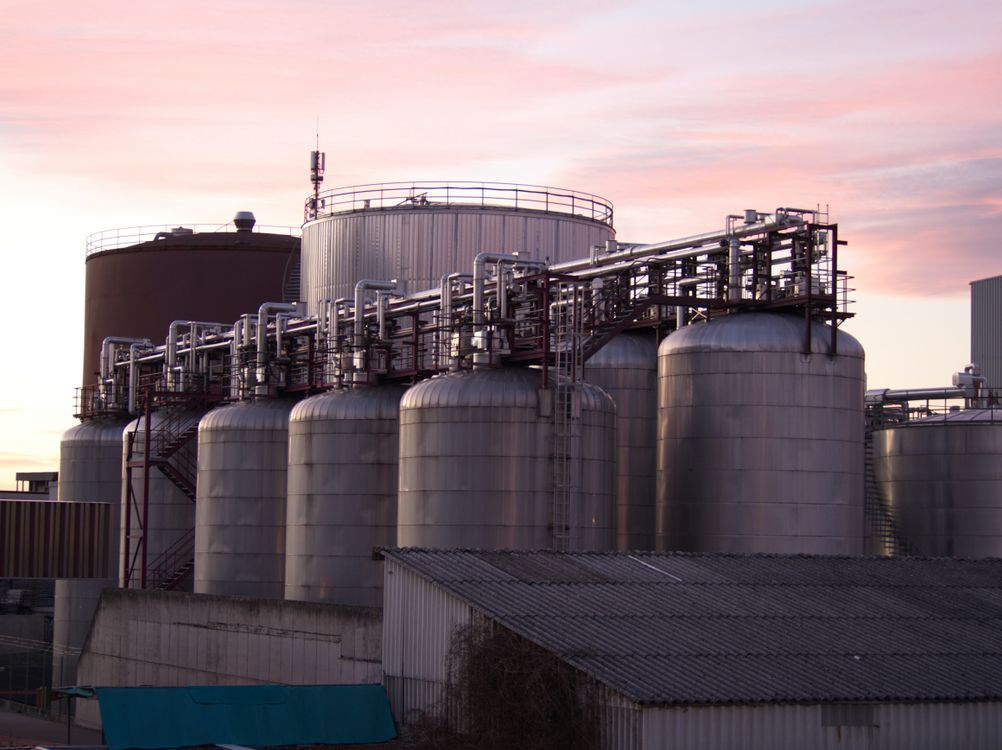
The transaction covers six existing gas-to-grid anaerobic digestion facilities that Future Biogas developed and operated before acquiring its majority stake. Organic feedstocks are processed without oxygen to produce methane-containing gas, which is then cleaned and upgraded to meet grid injection specifications. Foresight Environmental Infrastructure Limited assembled the investments between 2017 and 2019. It sold 51% to Future Biogas in August 2024, so the latest £104 million transaction changes the ownership of operational infrastructure rather than adding six newly built plants to the network.
Future Biogas is backed by 3i Infrastructure, which said the £104 million consideration was consistent with its September 2026 valuation expectations for the assets. Its initial funding arrangement combines an equity commitment from 3i Infrastructure with cash already held by Future Biogas, ahead of a proposed refinancing of the operator’s capital structure. 3i expects most of the equity funding committed to the transaction to be returned before its financial year ends in March 2027. The refinancing is a future step, not a completed part of the acquisition.
Future Biogas reports that earnings before interest, tax, depreciation and amortisation across the six plants have increased by approximately 21% since the 2024 majority purchase. The earnings increase cannot be equated with a 21% gain in gas production: prices, operating costs and the terms of supply contracts can affect financial returns independently of physical output. The operator has identified scope for capacity increases and operational improvements, but has not specified investment decisions, project budgets or additional tonnes of feedstock to be processed at individual sites.
Anaerobic digestion depends on maintaining a stable biological process while incoming feedstock composition, moisture and loading rates can vary. In an enclosed vessel, microorganisms break down biodegradable material without oxygen, yielding methane-containing gas and a digestate stream requiring separate handling. Gas upgrading removes carbon dioxide and other unwanted constituents before biomethane can meet the specifications for grid injection. Plant performance consequently depends on coordinated feedstock reception, digestion control, gas treatment, maintenance and export arrangements, rather than on a single item of production equipment.
A higher throughput would require an assessment of the whole digestion and gas export chain. Increasing the feedstock loading rate can alter the retention period available for microorganisms to break down organic matter and may change the volume and quality of gas produced. Gas cleaning, upgrading, compression and export systems must then be able to accommodate the flow without falling outside quality limits. Reliability work may instead involve maintaining mixers, pumps, instrumentation or other equipment to reduce unplanned stoppages within the existing permitted capacity. No specific equipment procurement or uprating project has yet been announced for the six sites.
FGEN says the partners have already supported system upgrades, operational optimisation and asset life-extension initiatives, including work intended to sustain operation beyond the expiry of Renewable Heat Incentive support. Carbon capture opportunities have also been progressed. Separating carbon dioxide during the upgrading of biogas creates a potential stream for capture and utilisation or storage, but commercial development requires suitable purification, handling and an offtake or disposal arrangement. The seller’s account does not state that carbon capture has been commissioned at all six sites.
FGEN values the consideration at 7.5% above the portfolio’s valuation on 30 June 2026. It also reports a 38% rise in the value of its remaining stake since the first disposal in August 2024, after accounting for subsequent investment. These figures establish the financial transaction price, not measured improvements in gas yield or equipment efficiency. FGEN intends to direct the proceeds principally towards reducing its revolving credit facility drawings, creating headroom for commitments elsewhere in its infrastructure portfolio. Future Biogas’s own proposed refinancing follows the initial purchase funding and has not yet been completed.
Five other anaerobic digestion facilities remain within FGEN’s investments and are outside this sale. Future Biogas has taken full ownership of the six specified gas-to-grid assets, not FGEN’s entire digestion portfolio. At the time of the 2024 majority purchase, historical reporting put the combined gas output of these six plants at 333GWh; neither buyer nor seller has supplied an updated 2026 production figure. A new baseline will be needed before the effect of any future improvement programme can be compared with the operating performance of the existing sites.
With one owner responsible for operational decisions, Future Biogas can advance capital projects across the portfolio without the same joint shareholder approval arrangements. The engineering work will still depend on the condition and design of each digester, feedstock contracts, gas grid capacity and the permissions attached to the site. The company has not given project-by-project construction dates, new capacity targets or confirmed returns from its proposed upgrades. Its immediate completed transaction is the purchase of the remaining 49% interest in six plants for £104 million, following the majority acquisition two years earlier.