Essar Oil (UK) has been fined £800,000 after repeated breaches of wastewater discharge limits at its Stanlow refinery in Ellesmere Port, where Environment Agency investigators identified at least 489 permit exceedances between January 2018 and December 2020.
Warrington Magistrates’ Court ordered the company to pay a further £73,473 in prosecution costs, bringing the total financial penalty to £873,473. Essar had pleaded guilty to 12 offences in March 2026, with sentencing taking place on 19 November.
Ten offences concerned repeated exceedances of permitted emission limits, attracting fines of £80,000 each. Two additional charges related to separate pollution incidents in 2019 and resulted in no further financial penalty.
The wastewater breaches involved contaminants including suspended solids, oil and cyanide. Discharges from the manufacturing complex entered watercourses connected to the Mersey Estuary, including Thornton Brook, the River Gowy and the Manchester Ship Canal.
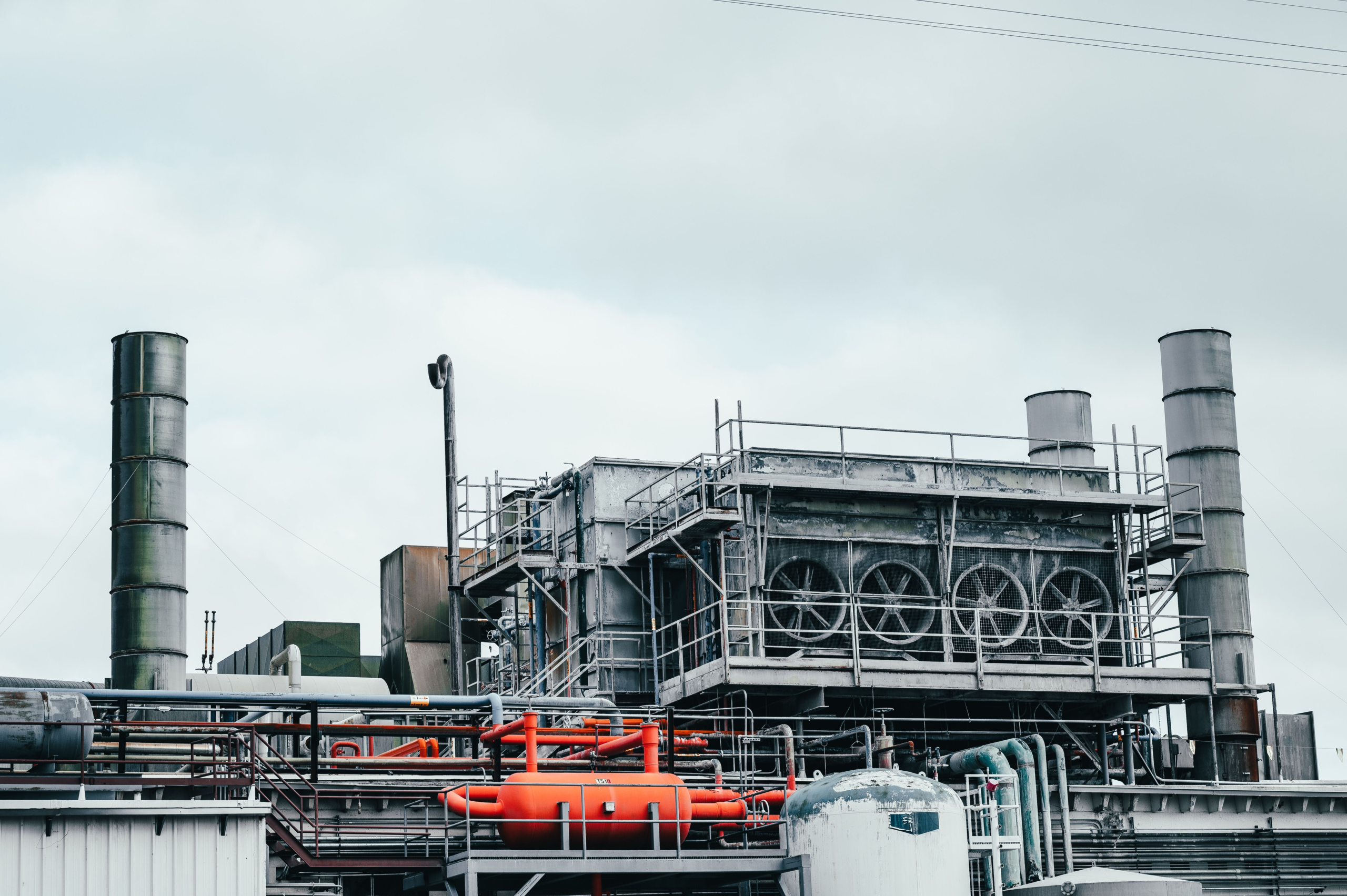
Stanlow is one of Britain’s principal oil refining complexes, with extensive processing, storage, utility and wastewater infrastructure. The refinery must manage water arising from industrial activities while controlling the contaminants discharged beyond its site boundary.
Environmental permits establish limits for specified substances in wastewater released to receiving waters. Compliance depends on controlling contamination at source, maintaining suitable collection and treatment systems, and monitoring the quality of water before discharge.
The Environment Agency’s investigation recorded at least 489 occasions when permitted limits were exceeded during the three-year period. These were recorded exceedances rather than 489 separate criminal charges, with the prosecution proceeding through the ten emission-limit offences.
The scale and duration of the exceedances distinguished the case from a single equipment failure. Maintaining permitted discharge quality requires the treatment process to cope with changing operating conditions and contaminant loads, supported by monitoring capable of identifying performance outside authorised limits.
Refinery wastewater systems may receive flows with different chemical characteristics from separate process areas. Treatment arrangements must account for these variations, while operating procedures determine how abnormal flows or unexpected contamination are handled.
Two additional incidents investigated by the regulator involved direct failures in pollution prevention. In February 2019, between 15 and 20 tonnes of a chemical used to remove hydrogen gas escaped into the drainage system and subsequently entered the Manchester Ship Canal.
Investigators established that a vent had been left open and an established written operating procedure had not been followed. The company’s own account characterised the action as a conscious departure from the required procedure.
The incident exposed the relationship between equipment configuration and operational controls. A drainage system cannot provide effective containment where an open connection allows process chemicals to enter a route leading to the environment.
Preventing such releases requires appropriate isolation arrangements, control of valves and vents, and procedures that operators can follow consistently. The condition and configuration of equipment remain important even where a site has documented systems for managing environmental risks.
A second incident occurred in March 2019 when a contractor’s vehicle reversed into an effluent pipe and ruptured it. Repairs continued into April, during which approximately 15 tonnes of partially treated sewage entered Thornton Brook.
The investigation found that the risks associated with vehicle movements had not been adequately assessed. The driver responsible for the collision was subsequently banned from the site, but the operator’s wider obligations included maintaining controls capable of preventing foreseeable damage to pollution-related infrastructure.
Pipework carrying wastewater can be vulnerable where transport routes, maintenance areas and industrial operations intersect. Physical protection, vehicle segregation and suitable risk assessments can reduce the possibility of accidental damage, while isolation arrangements affect the ability to contain a release once equipment fails.
Environment Agency officers also recorded visible pollution during inspections. Oil sheens were observed on Thornton Brook, the River Gowy and the Manchester Ship Canal, while vegetation downstream of the refinery’s discharge point was blackened by oil in January 2020.
The receiving waters form part of the wider Mersey Estuary catchment, which contains designated wildlife habitats. Pollution entering tributaries or connected canals can therefore extend beyond the immediate location of an industrial discharge.
The prosecution addressed two aspects of the refinery’s environmental obligations. The first concerned the conditions limiting permitted discharges; the second required the company to maintain and follow a written management system intended to minimise pollution risks.
These requirements operate together. Treatment equipment and sampling arrangements govern routine discharge performance, while site procedures, maintenance controls and risk assessments address abnormal events that could bypass or damage those systems.
The Environment Agency also brought three further offences involving similar emission-limit breaches in 2022 and 2023 to the court’s attention. These were taken into consideration without additional punishment.
Essar has previously acknowledged the historic breaches and apologised, stating that steps had been taken to address the underlying causes. The sentencing establishes the consequences of the offences prosecuted; it does not independently establish the refinery’s current environmental performance.
Continued compliance depends on the operation and maintenance of Stanlow’s treatment and containment systems, alongside the procedures used by employees and contractors. Those controls remain subject to the applicable environmental permit and ongoing regulatory oversight.