Equinor and its partners have submitted a proposed environmental impact assessment programme for the Wisting field development in the Barents Sea, opening a new public consultation stage for Norway’s largest undeveloped oil discovery.
The project remains at an early stage, with further progress dependent on additional improvements to make the development profitable and viable. Equinor is continuing maturation work with its partners after earlier cost and concept challenges delayed the programme.
Wisting is located in production licence PL 537 in the Hoop area of the Barents Sea, around 310 km north of Hammerfest, in water depths of roughly 390 m to 418 m. The field is estimated to contain just under 500 million barrels of oil equivalent in recoverable resources, making it one of the most strategically significant undeveloped projects on the Norwegian Continental Shelf.
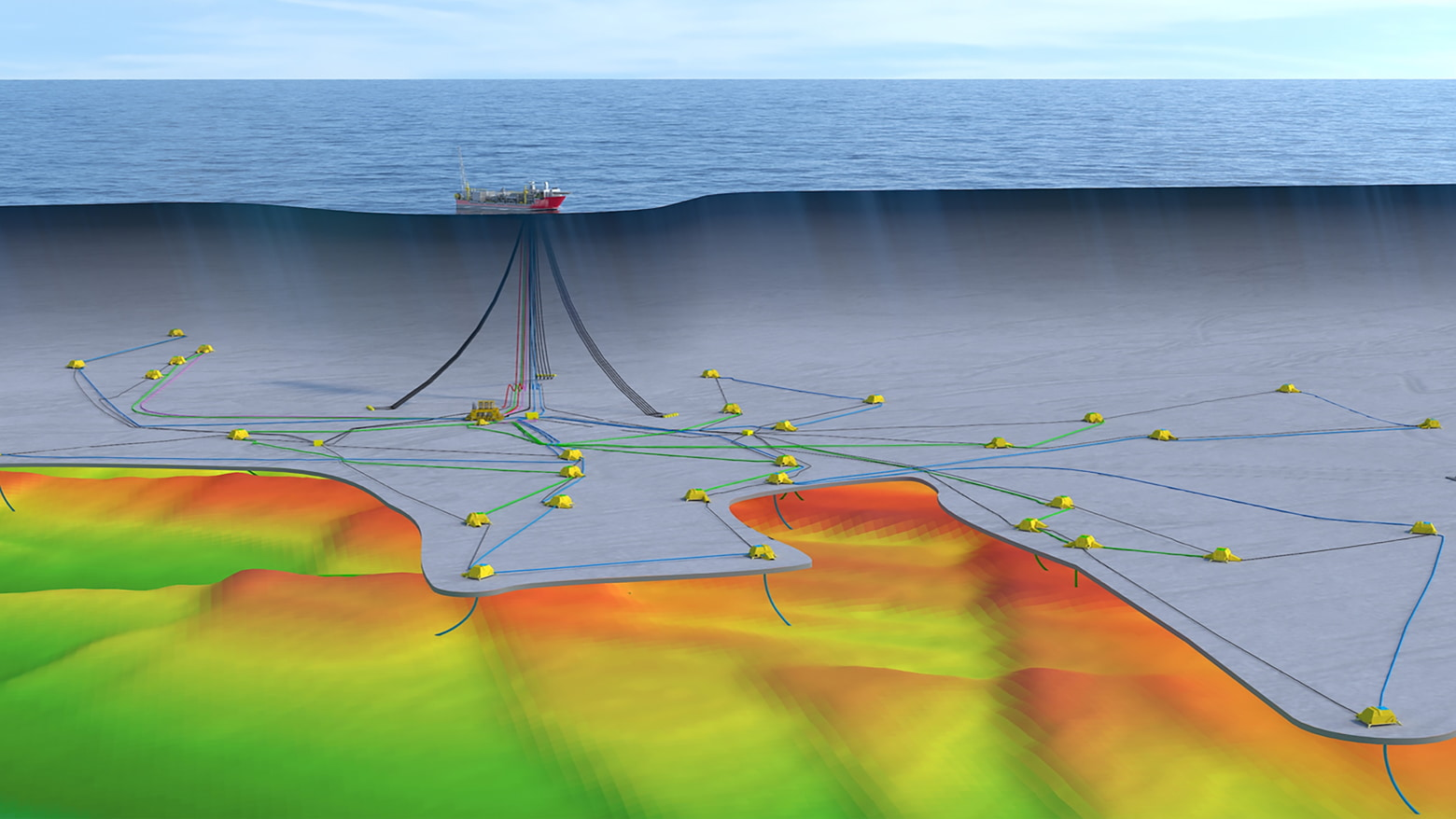
The partnership has selected a floating production, storage, and offloading vessel as the development concept. Power from shore has been assessed but ruled out because of technical complexity and high cost. The project is now progressing around an energy-efficient gas turbine solution, with Equinor also assessing whether carbon capture and storage could reduce emissions from production.
A final concept selection and decision on possible continuation are planned towards the end of 2026, with a final investment decision targeted by the end of 2027. The proposed environmental impact assessment programme will be subject to a 16-week public consultation, giving authorities, stakeholders, and interested parties a route to comment on the scope of the assessment.
Developing an oil field in the Barents Sea demands production systems able to operate safely in a remote Arctic environment, with harsh weather, long logistics lines, environmental scrutiny, and limited infrastructure compared with more mature parts of the North Sea. Wisting will require careful design across subsea systems, wells, FPSO configuration, power generation, emissions control, marine operations, and long-term maintenance.
The decision to move away from power from shore is particularly significant. Electrification from shore has become a major decarbonisation route for some Norwegian offshore developments, but it is not straightforward for remote fields. Long-distance power transmission, grid capacity, cable installation, cost, reliability, and technical complexity all have to be weighed against emissions reduction. Equinor has concluded that the shore-power option does not currently provide a workable route for Wisting.
The remaining power concept places greater emphasis on efficiency and possible carbon management. A gas turbine solution can be engineered for improved performance, but it still leaves emissions questions that will be central to the project’s approval and public acceptance. CCS assessment may help address part of that concern, although it will depend on technology, regulation, cost, space, weight, and integration feasibility on a newbuild FPSO.
The project also carries substantial supplier-industry weight. Drilling and wells, along with subsea development, are expected to account for around half of total investment. Equinor has indicated that a significant share of the work could generate value for Norwegian industry, particularly in engineering, procurement, construction, and equipment supply. The hull itself is not expected to be built in Norway because of size and infrastructure constraints, but modules, systems, and operational support could still create substantial domestic activity.
The offshore market is moving through a divided phase. Mature basins such as the UK North Sea are seeing asset transfers, late-life optimisation, and decommissioning planning, as shown by recent North Sea portfolio activity. Norway, by contrast, is still progressing large resource projects where economics, emissions, and supplier capacity can be aligned. Wisting sits at the sharper end of that debate because it combines large recoverable volumes with Arctic environmental sensitivity.
The project will test whether a major Barents Sea development can satisfy cost, emissions, and operational requirements at the same time. FPSO design has to support production reliability over decades, while subsea systems must be robust enough for remote intervention. Logistics plans must handle spare parts, crew movement, weather windows, marine support, and emergency response across a long operating life.
The field also has strategic importance for Norway’s future production profile. As older fields decline, large undeveloped discoveries become more important for maintaining output, tax revenue, and supplier activity. At the same time, public scrutiny over new oil projects has increased, particularly where development occurs in environmentally sensitive northern waters.
The Wisting consultation does not guarantee sanction, but it moves the project into a more defined assessment phase. The final test will come when Equinor and its partners decide whether the improved concept, cost base, emissions approach, and market outlook are strong enough to justify a final investment decision by the end of 2027.