Serica Energy has completed the acquisition of North Sea interests from ONE-Dyas, adding stakes in the Catcher field and Golden Eagle Area Development to its UK Continental Shelf portfolio.
The completed transaction covers a 10% non-operated working interest in the Harbour Energy-operated Catcher field and a 5.21% interest in the CNOOC-operated Golden Eagle Area Development fields in the Central North Sea. The deal was originally disclosed in September 2025 and was estimated at $6.75m.
The acquisition strengthens a portfolio focused on the UK North Sea and extends Serica’s exposure to producing assets with existing infrastructure, operational history, and established field partners. The company has positioned itself around safe and reliable production, shareholder value creation, and future growth from a diversified UK offshore asset base.
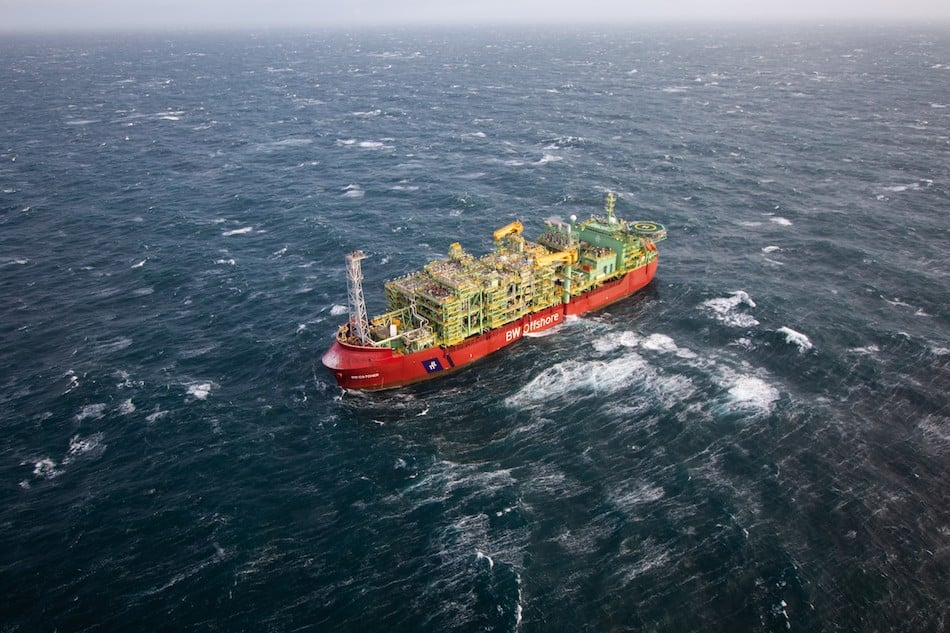
The Catcher area is a floating production, storage, and offloading development operated by Harbour Energy. Golden Eagle is operated by CNOOC and has been one of the Central North Sea’s more significant oil developments over the past decade. Serica’s additional interests are non-operated, but they add resource exposure and broaden the company’s production-linked position in mature UK waters.
The UK offshore industry is working through a difficult period shaped by tax policy, energy security concerns, emissions pressure, decommissioning liabilities, and uncertainty over future domestic oil and gas production. Operators are scrutinising mature assets more closely, seeking lower-risk barrels, infrastructure-led opportunities, and portfolio combinations that can generate value without committing to large frontier developments.
Small acquisitions can carry strategic weight in that environment. Non-operated stakes may not provide direct control of field activity, but they can add cash flow, reserves, partner exposure, and optionality across producing infrastructure. They can also diversify operational risk where production is spread across different assets, operators, and reservoir types.
The engineering workload around mature assets remains substantial. Asset integrity, late-life production optimisation, subsea inspection, brownfield modification, well intervention, rotating equipment, process safety, emissions monitoring, and decommissioning planning all remain tied to fields that continue to produce. Mature fields do not simply decline quietly; they require sustained engineering attention to maintain safety, uptime, and economic performance.
That work becomes more demanding as reservoirs age and facilities move deeper into their operating lives. Operators are seeking incremental recovery while reducing emissions intensity and managing ageing infrastructure. Production optimisation now has to sit alongside power management, flaring reduction, leak detection, equipment reliability, and maintenance planning.
The acquisition also connects with the broader offshore transition. The North Sea is being asked to support domestic hydrocarbon production, carbon storage, offshore wind, subsea power infrastructure, and decommissioning. Progress on the Morecambe carbon storage project illustrates how parts of the UK offshore estate may be repurposed as the energy system changes. Oil and gas engineering capability remains central to that transition, whether applied to production, storage, subsea infrastructure, or asset retirement.
Serica’s strategy is based on building value in a basin it knows rather than chasing a purely speculative growth model elsewhere. The company states that it operates assets delivering more than 10% of the UK’s gas production and has invested more than £1bn in the UK supply chain since 2020. That domestic supply-chain connection remains politically and industrially visible even as the policy environment around oil and gas becomes more contested.
The Catcher and Golden Eagle interests also give Serica exposure to established operating groups. Non-operated partners depend on the technical and commercial decisions of the operator, while benefiting from shared expertise, infrastructure, and field management. In mature offshore basins, alignment between partners can affect maintenance timing, infill work, production strategy, cost control, and decommissioning planning.
The UK North Sea is no longer a high-growth basin in the way it once was, but it remains a complex industrial system with substantial engineering activity. Asset transfers are part of that system. As larger companies rebalance portfolios and smaller independents seek value in late-life production, ownership changes can reshape work programmes, investment priorities, and supply-chain opportunities.
Serica’s completed acquisition is another marker of a basin moving into a phase where value depends on operational discipline, selective portfolio growth, infrastructure knowledge, and mature-asset engineering. The work will follow the assets that still justify investment, intervention, and careful technical management.