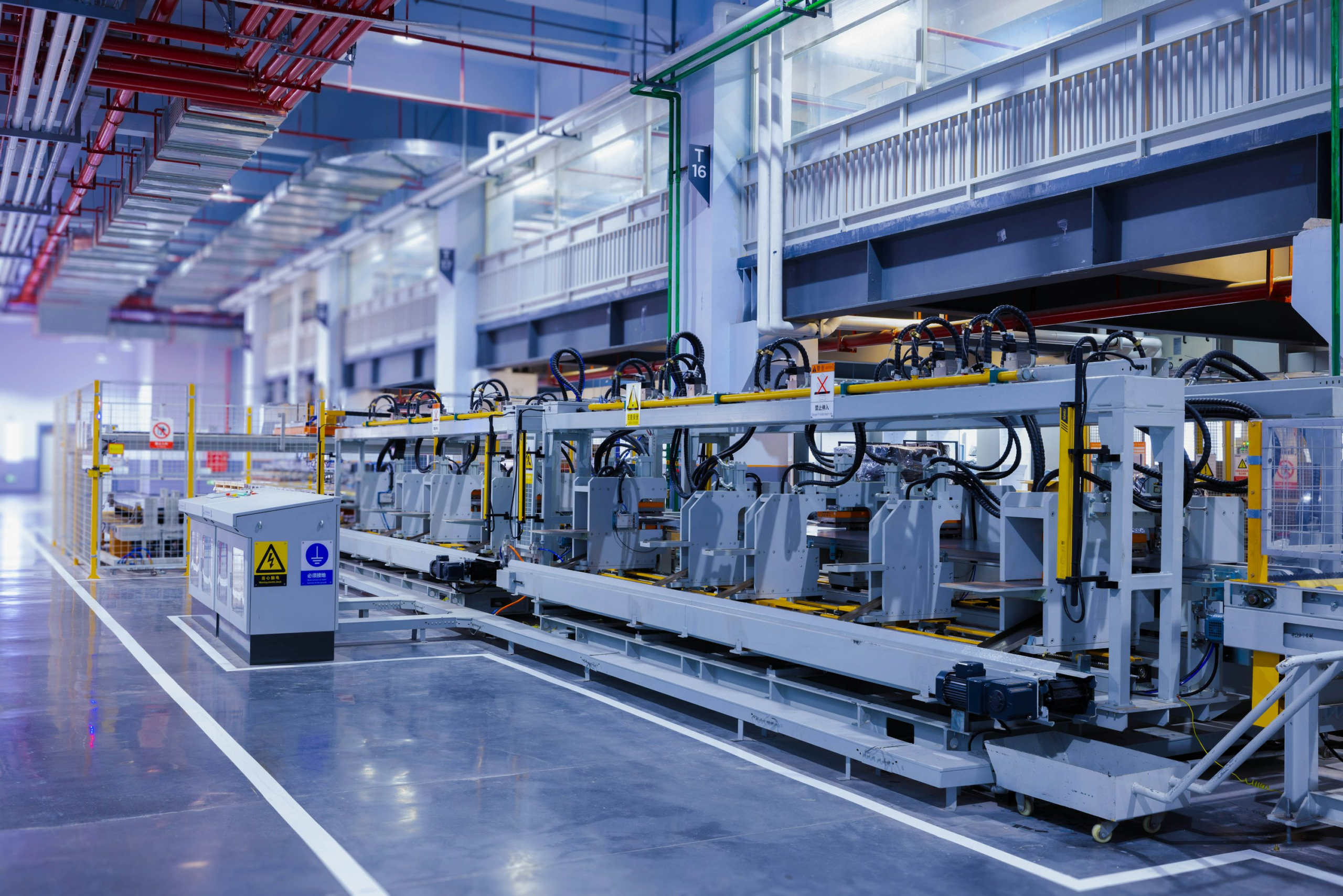
Innovate UK has opened the fifth drawdown of the DRIVE35 Scale-up Fund, making up to £150 million available for UK manufacturing projects intended to move zero-emission vehicle technologies towards pilot and demonstration-scale production. Applicants can request grants of between £2.5 million and £20 million for projects with total eligible costs above £5 million, with the competition closing on 4 November 2026.
The fund is aimed at the gap between proving a technology and building a production system capable of demonstrating how it can be manufactured at meaningful scale. Eligible projects must develop or validate facilities and processes principally in the UK, with resulting manufacturing capability intended to be exploited domestically.
Projects must run for at least 12 months, begin from 1 June 2027, and finish by 31 March 2030. The competition covers batteries and other electrical energy-storage systems, electric machines, driveline technology, power electronics, fuel cells, hydrogen storage, lightweight materials and processes, zero-emission vehicle assembly, and eligible upstream component and raw-material production.
Circular manufacturing also falls within scope. Projects involving disassembly, remanufacturing, material recovery, or reuse can qualify where they form part of the zero-emission vehicle manufacturing chain, while digital tools including AI, digital twins, and industrial IoT are eligible when integrated into a physical manufacturing process.
The scheme defines scale-up broadly enough to include production-line engineering, factory planning, equipment procurement and installation, commissioning, process development, quality systems, workforce training, supply-chain development, automation, and manufacturing decarbonisation. It is therefore intended to fund the infrastructure around a manufacturing process rather than another round of isolated laboratory research.
The financial conditions also place more weight on the applicant than a conventional R&D grant. Projects have to demonstrate that government support unlocks private co-investment of at least twice the amount requested. A company applying for £5 million of public funding would therefore need to show that the award enables at least £10 million of additional private investment.
Grant intensity is capped at up to 50% of eligible project costs for micro, small, and medium-sized organisations and up to 30% for large businesses. Those limits favour companies that have progressed far enough to commit substantial capital of their own but still face technical or commercial risk around a new production facility, process, or product.
That risk tends to increase sharply once manufacturing leaves prototype quantities. Moving from tens of components to thousands can require different tooling, automated handling, production quality control, test systems, supplier qualification, operator training, and process-capability work. Capital has to be committed before a new technology necessarily has the stable order book associated with mature production.
Recent DRIVE35 awards have backed UK work involving motors, battery materials, controls, and other zero-emission vehicle technologies. The fifth Scale-up Fund drawdown is a separate development: it is an open competition for the next portfolio of manufacturing projects rather than another announcement of previously selected recipients.
Innovate UK says the £150 million allocation will be managed as a portfolio, meaning not every application that reaches a strong assessment score is guaranteed support. Technology area, end market, project maturity, and company size can all influence how the final group is assembled within the available budget.
The wider DRIVE35 programme carries £4 billion of capital and research funding through to 2035 and is intended to strengthen UK capability in batteries, electric machines, power electronics, lightweight materials, and other parts of the zero-emission vehicle supply chain. The scale-up strand addresses the less celebrated stage at which technically credible products need tooling, production equipment, test capacity, qualified suppliers, and trained staff before they become manufactured goods.
Applicants also need evidence of a credible route into vehicle markets and enough financial capacity to deliver the project if selected. Proposals that remain primarily research exercises, speculative property developments, or standalone digital products without a manufacturing process sit outside the competition’s intended scope.
Applications close at 11:00 UK time on 4 November, with a sixth drawdown planned after the current competition. The funding can reduce the cost and risk of building a pilot line, but public money does not manufacture anything by itself. Successful applicants will still have to raise their matching investment, install equipment, qualify processes, and demonstrate that the resulting production line can run reliably at the rate promised in the application.