DEScycle is moving its Teesside scale-up programme into a more commercial phase after agreeing to process Cisco-derived e-scrap boards at its Wilton demonstration plant, giving the London company a live industrial trial for its distributed metals recovery model.
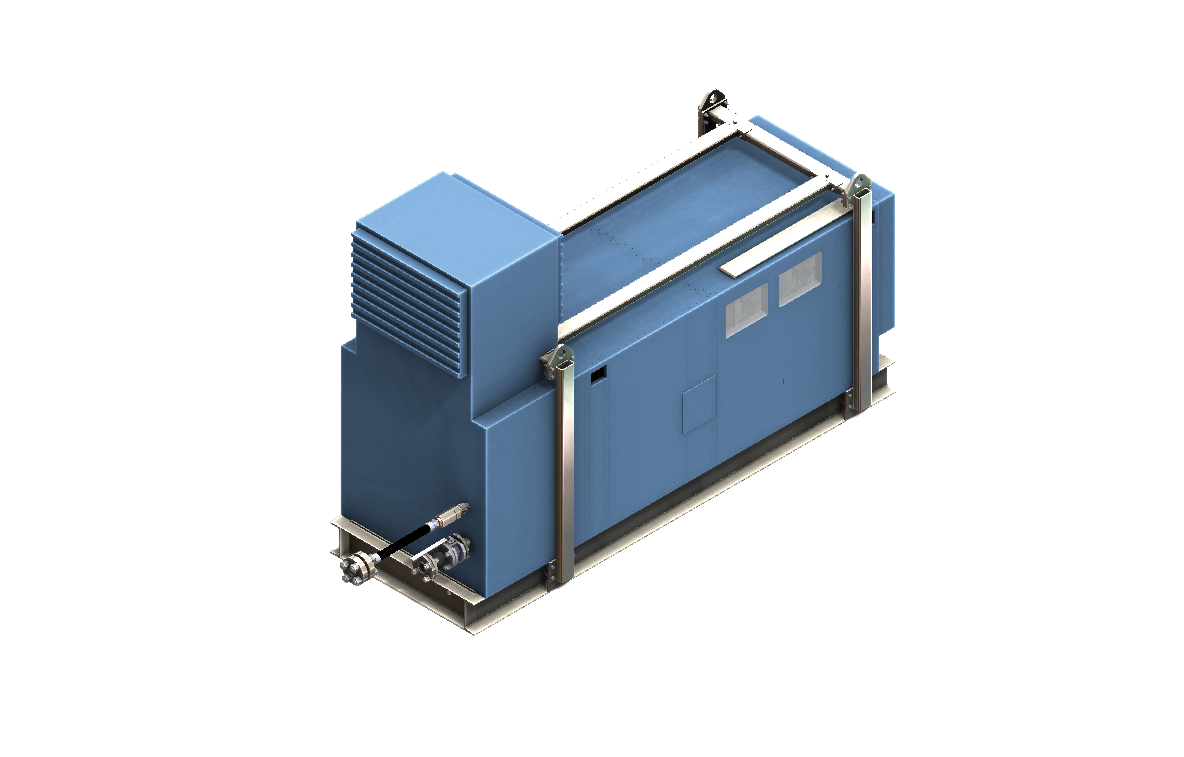
The trial will see boards recovered from Cisco hardware batch-processed through DEScycle’s modular unit, with the aim of generating recovery performance data and a techno-economic picture at demonstration scale. For a business arguing that metals processing needs to move away from large, centralised smelters, that matters: the point is not simply to prove chemistry in the lab, but to show that a repeatable plant can recover valuable material with the transparency and traceability major OEMs now expect.
DEScycle’s pitch is that electronic scrap can be treated closer to where it arises, shortening logistics chains and reducing the capital intensity associated with conventional smelting routes. The company has already raised £10.2 million to build out its Wilton plant and has set out plans for a commercial facility in Gateshead capable of processing 5,000 tonnes of e-waste a year. Cisco’s earlier participation in that funding round gave the relationship a financial footing; this latest step turns it into an operational test.
“Our objective is clear: to demonstrate that we can provide a robust, economically competitive, and environmentally conscious recovery route, underpinned by transparent performance data and traceability,” said Fred White, Co-founder and Chief Commercial Officer at DEScycle. That emphasis on traceability is becoming harder to ignore as electronics groups look beyond take-back schemes and towards end-of-life systems that can account for where recovered copper, palladium, gold, and other materials actually go.
If the Wilton campaign delivers consistent batch-scale results, DEScycle will have something more persuasive than a circular-economy slogan: it will have operating data from a known technology company feedstock, processed in one of the UK’s main industrial clusters, at a point when pressure is building for more domestic recovery of critical materials.