Cold Chain Technologies (CCT) has expanded its North American operational footprint with the launch of a new and expanded facility in Bethlehem, Pennsylvania. The move to the new, larger location strengthens the company’s ability to offer its full suite of passive cold chain solutions to key pharmaceutical and life sciences customers across the Northeast United States.
The 100,000-square-foot facility significantly increases CCT’s capacity in the region, enabling it to support growing demand with improved speed, flexibility, and availability. The site brings together a range of core capabilities under one roof, including refurbishment and conditioned set-up for reusable containers, and assembly and kitting of single-use sustainable products.
Strategically positioned within the tri-state area, the new site provides direct proximity to one of the country’s most concentrated pharmaceutical manufacturing corridors. This location allows CCT to reduce freight distances and lead times, helping customers to lower transport costs while maintaining reliable access to high-performance temperature-controlled packaging.
Designed to enhance operational efficiency, the facility enables faster turnaround across refurbishment, assembly, and distribution processes, strengthening CCT’s ability to support both parcel and pallet shipper programmes in-region. By expanding its local capabilities, the company is ensuring that customers benefit from responsive service alongside consistent global quality standards.
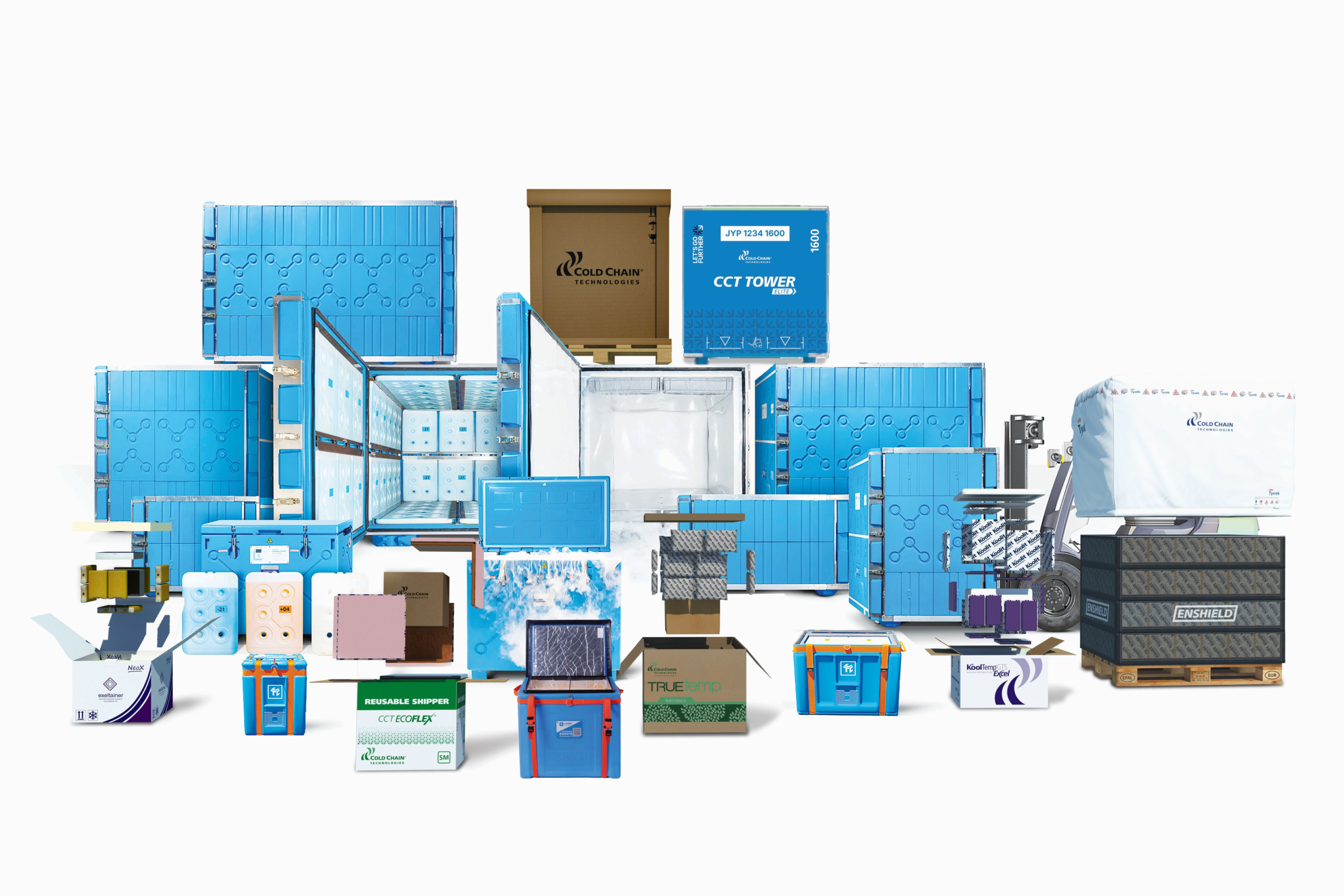
This new ISO 9001:2015 certified site supports CCT’s leading product portfolio, including the CCT EcoFlex™ range of reusable parcel shippers, CCT Naturals™ single-use sustainable solutions, reusable pallet shippers, and additional CCT solutions, providing a comprehensive offering tailored to the needs of the pharmaceutical and life sciences sector.
Ranjeet Banerjee, Chief Executive Officer at CCT, said: “The expansion of our North American footprint with this new Bethlehem site reflects our continued focus on bringing capabilities closer to our customers. Proximity matters in pharmaceutical cold chain, whether that’s reducing transit times, improving availability or supporting more efficient reverse logistics for reusable solutions.”
“This facility strengthens our ability to deliver a full spectrum of cold chain services in-region, combining scale with flexibility. By investing in strategically located infrastructure, we are helping customers optimise their supply chains while maintaining the high standards of thermal assurance that patients depend on.”
This latest investment forms part of CCT’s broader strategy to strengthen its global network through targeted, regional infrastructure, ensuring that customers benefit from both local responsiveness and seamless integration with the company’s worldwide operations.
Such proximity and availability for customers are critical to CCT’s service offering of comprehensive thermal assurance, achieved by integrating best-in-class product solutions with emerging and established technology and human expertise for end-to-end resilience.