BAE Systems has agreed a long-term procurement framework with the US Department of War for APKWS laser guidance kits, intended to maintain manufacturing capacity and support future demand from American forces and international allies. The government describes provision for up to 25,000 guidance sections annually for US requirements, with a pathway towards 35,000 units a year if additional allied orders materialise.
The framework was announced on 19 October and could cover procurement over as many as seven years. BAE Systems says it will increase production while negotiating a separate multiyear contract under the arrangement. Congressional authorisation and appropriations remain conditions of the government’s proposed procurement programme.
The distinction between the two capacity figures is important. The US government’s announcement identifies up to 25,000 units a year under the domestic procurement framework, while additional Foreign Military Sales requests from partner countries could support investment to raise production capacity to 35,000 annually.
Neither figure is a confirmed annual delivery total for the next seven years. The agreement has no publicly disclosed overall value, and the further contract specifying production commitments is still under negotiation.
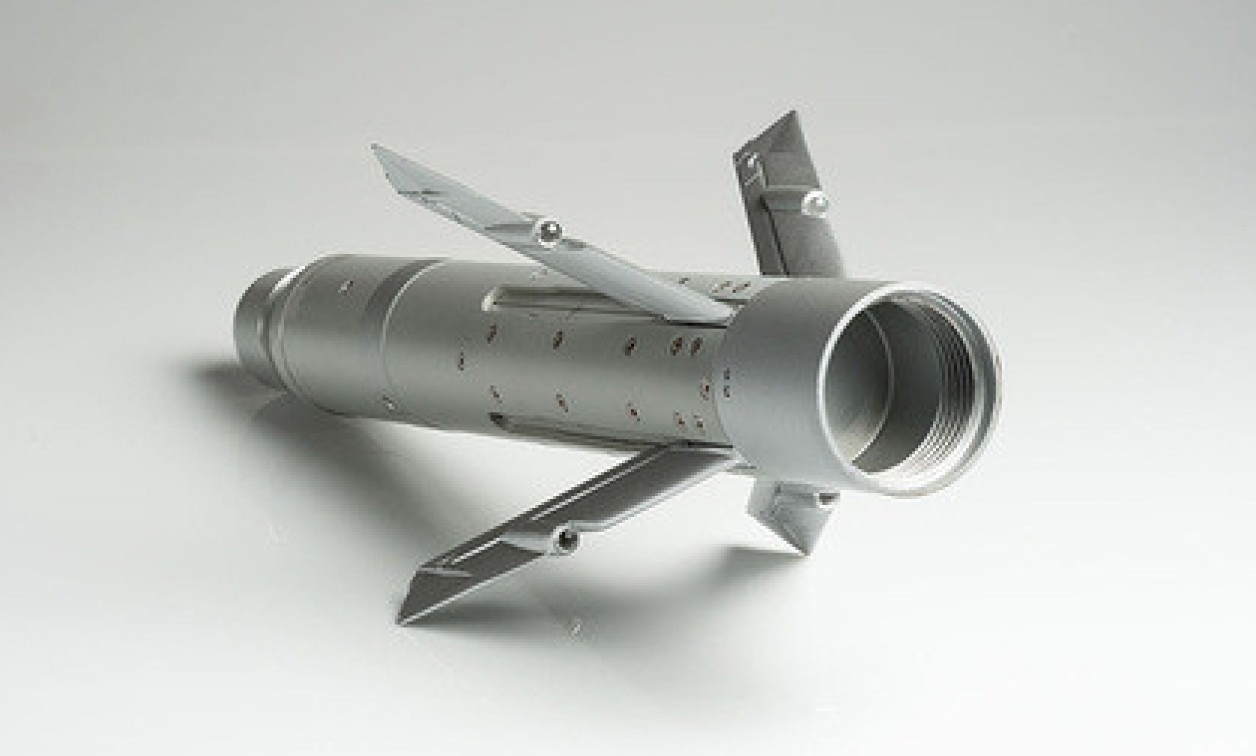
APKWS, the Advanced Precision Kill Weapon System, adds a laser guidance section to compatible 2.75-inch rocket configurations, providing a guided capability using a smaller munition than many larger precision weapons. The guidance kit is a component within the resulting weapon rather than the entire rocket, motor and warhead assembly.
The guidance equipment allows the rocket to respond to laser energy reflected from a designated target. Its practical use depends on suitable integration with the launching platform, the other rocket components and the associated targeting equipment.
BAE identifies missions spanning air-to-surface, surface-to-surface, surface-to-air and air-to-air engagements. The product is fielded by the US Air Force, Army, Marine Corps and Navy, and is also supplied to approved international customers under the relevant export arrangements.
Demand has increased for equipment used in counter-uncrewed aircraft operations, where armed forces may need to respond to numerous aerial threats while preserving stocks of other precision weapons. Procurement authorities are therefore examining both the quantities that can be obtained and the ability of manufacturers to sustain deliveries over several years.
BAE manufactures APKWS guidance kits at facilities in Hudson, New Hampshire, and Austin, Texas. The company has not published an allocation of the proposed 35,000-unit capacity between those sites or confirmed that new buildings have been completed as a result of the framework.
Production of guidance assemblies involves precision components, electronics, mechanical interfaces and verification processes. A finished kit must meet its design requirements and be suitable for integration into the specified rocket configuration, placing demands on component suppliers as well as final assembly operations.
Increasing the number of kits that can be produced is therefore not solely a matter of adding assembly labour. The manufacturer must ensure access to qualified parts, production equipment, testing capacity and trained personnel, with each stage able to support the proposed rate.
Long procurement lead times can be particularly significant for specialised components. A supplier may need to commit materials and production slots well before the final delivery date, while investment in additional equipment becomes more difficult where future order quantities remain uncertain.
The framework is intended to provide a longer-term demand signal. According to the government, greater purchasing visibility could enable the manufacturer to procure long-lead items and expand its skilled workforce while maintaining equipment and suppliers ready to respond to changing requirements.
That visibility is not equivalent to guaranteed spending. Purchases depend on the applicable authorisations, funding and contracts, while the prospect of additional allied orders will depend on formal requests and subsequent export sales procedures.
The 25,000-unit level also requires careful description. BAE had already identified annual production capacity of at least 25,000 kits in company material published earlier in October, so the domestic figure should not be presented as an entirely new capacity milestone achieved by the 19 October announcement.
The potential increase to 35,000 represents a further manufacturing objective associated with combined demand. Delivering additional output would require the necessary industrial resources and customer orders; the announcement does not establish that those resources are already in place at the higher rate.
Production planning under a multiyear agreement can help manufacturers balance the cost of maintaining capacity against the expected order book. Facilities designed for surge requirements may need spare equipment, available suppliers and a workforce capable of supporting periods of greater activity, even when routine deliveries are below their technical maximum.
Component quality and configuration management remain essential as throughput changes. Individual guidance sections must be built against the applicable specification, with manufacturing records, inspection and testing able to support the quantity produced without creating uncertainty over product configuration.
BAE says it continues to invest in manufacturing capability, materials and technical expertise. The company is also developing product upgrades and mission-specific variants, which may introduce additional engineering and qualification work alongside increased production of established configurations.
The Department of War’s announcement places the framework within a wider effort to strengthen domestic munitions manufacturing. It describes procurement intended to support existing operational requirements, while using potential allied demand to justify additional US production capacity.
The economic effects of the arrangement will depend on the final terms agreed. No confirmed number of additional jobs, factory investment value or annual spending commitment has been published, making it premature to quantify the employment or capital expenditure resulting from the framework.
The next developments to establish the programme’s scale will be congressional funding decisions, completion of the multiyear production contract and any formal allied orders that support capacity beyond the domestic level. The signed framework creates a procurement route, but it does not demonstrate that 35,000 kits are already being manufactured or ordered each year.