Amazon plans to invest more than €16 billion in Germany during 2027, with engineering work spanning data centres, logistics buildings, warehouse automation and robotics research. Announced at the Invest in Germany Summit on 20 October, the programme also includes satellite connectivity and Prime Video production. The overall sum therefore describes spending across the company’s German activities rather than a dedicated budget for industrial infrastructure.
Of that commitment, €4.8 billion is allocated to expansion of Amazon Web Services’ Frankfurt cloud region during 2027. The figure is included within the announced €16 billion-plus total, not additional to it. Amazon links the project to demand for cloud and artificial intelligence services, which requires physical computing capacity supported by power distribution, network equipment, cooling, backup systems and the infrastructure needed to maintain those assets.
Warehouse investment is spread across both operational and developing facilities. Amazon expects comprehensive modernisation at Bad Hersfeld, Dortmund and Werne to finish in 2027, while upgrades in Koblenz, Pforzheim and Rheinberg will continue during 2028. A new fulfilment centre has opened in Zweibrücken and another is under construction in Könnern. According to Amazon, these previously announced logistics projects account for more than 3,000 additional jobs.
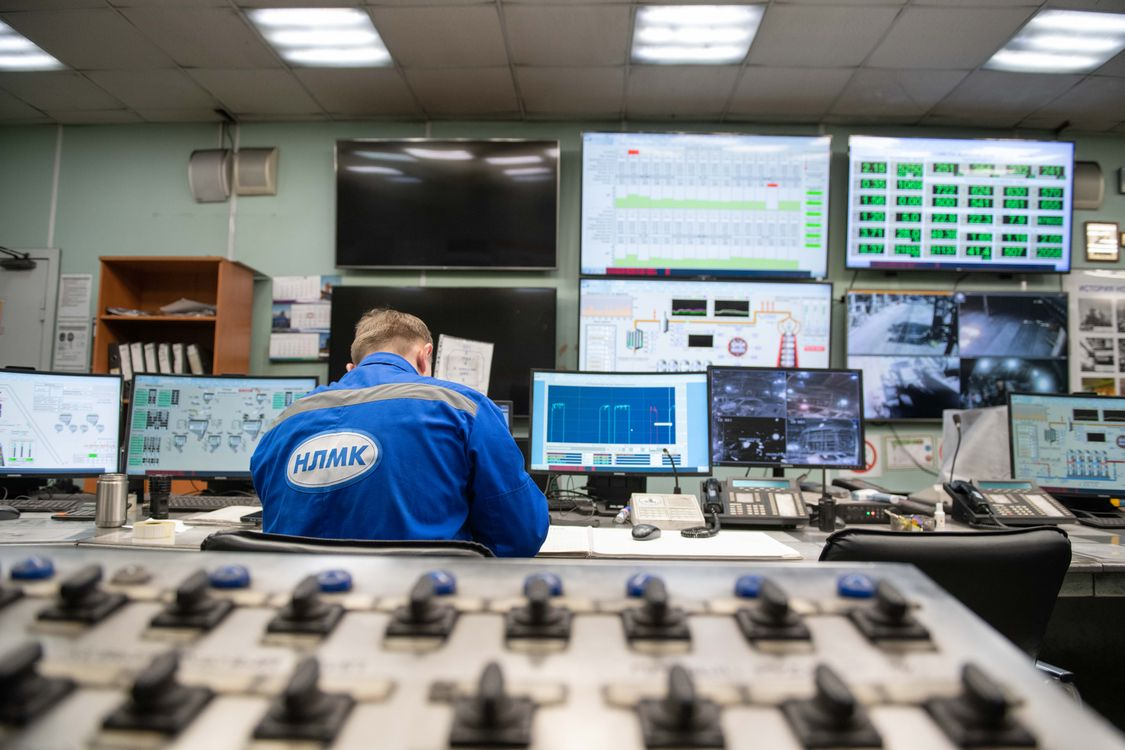
The changes to existing distribution centres include robotics intended to improve material handling and working conditions. A warehouse automation system has to coordinate identification of stock, allocation of storage space, movement of goods, picking and onward sorting. Control software must take account of the capacity of each transfer point, because a faster robot or conveyor delivers limited benefit when a downstream station cannot process the arriving flow.
At established buildings, new handling equipment also has to operate within an existing layout and alongside people and other machines. That involves traffic management, access for maintenance, interfaces with stock records and changes to work procedures. Amazon has not given the models or numbers of robots being deployed under the announced upgrade programme, and it has provided no comparable throughput results for the different sites. The stated completion dates concern the projects, not a single network-wide automation milestone.
A second robotics and artificial intelligence research laboratory is opening in Berlin, doubling the company’s research presence in the city. Amazon identifies specialist positions for applied scientists and robotics hardware, software and systems engineers. The laboratory will work on the interaction between workers and technology, connecting research into movement and sensing with the operational requirements of sorting and fulfilment equipment. It is a research facility rather than another manufacturing plant.
The Frankfurt cloud expansion has a different set of engineering constraints. Increased demand for computing and AI processing can require additional servers and storage, but those devices can operate reliably only where electrical supply and heat rejection are adequate. Distribution equipment, cooling plant, network connections, maintenance access and resilience provisions therefore form part of the infrastructure needed to turn installed computing hardware into usable service capacity.
Amazon’s European Sovereign Cloud in Brandenburg is a related but separately timed investment programme. The company previously set out plans for €7.8 billion of spending between 2024 and 2040, and says that service became generally available in January 2026. That multi-year figure cannot be treated as a new 2027 addition. Its stated design separates certain cloud operations to address customer requirements for data location and operating control, distinct from the expansion of the Frankfurt region.
The latest German plan also refers to Amazon Leo, a low Earth orbit broadband network. Amazon has secured 24 launches from European provider Arianespace, introducing a space-industry supply and launch component to its activity in the country. The release does not give a separate German satellite manufacturing allocation for 2027. Its programme also includes new Prime Video productions, which fall outside the engineering capital projects covered by the cloud and distribution operations.
Amazon says it has invested more than €100 billion in Germany since 2010 and operates over 100 sites in the country. Its current plans extend established cloud and distribution networks rather than creating every operation from scratch. The named fulfilment centres also illustrate how the investment involves both new buildings and the alteration of working facilities, with different demands for installation, system integration and maintaining operations while equipment is changed.
The implementation dates differ across the programme: cloud expansion spending is planned for 2027, three warehouse upgrades are due to complete that year and three more extend into 2028. Berlin’s second robotics laboratory is opening as a research operation alongside that construction and modernisation work. The resulting equipment installations and operating results will emerge on these separate schedules, allowing the industrial projects to be assessed on their own progress rather than the size of the overall investment commitment.