AIMPLAS will present its advanced plastics recycling technologies at PRS Europe 2026, with mechanical, chemical, enzymatic, and physical routes for processing complex plastic waste.
The Plastics Technology Centre will exhibit at stand L74 during the event, which takes place at RAI Amsterdam on 5 and 6 May. Its showcase will cover technologies for waste streams that cannot be recovered effectively through conventional recycling alone.
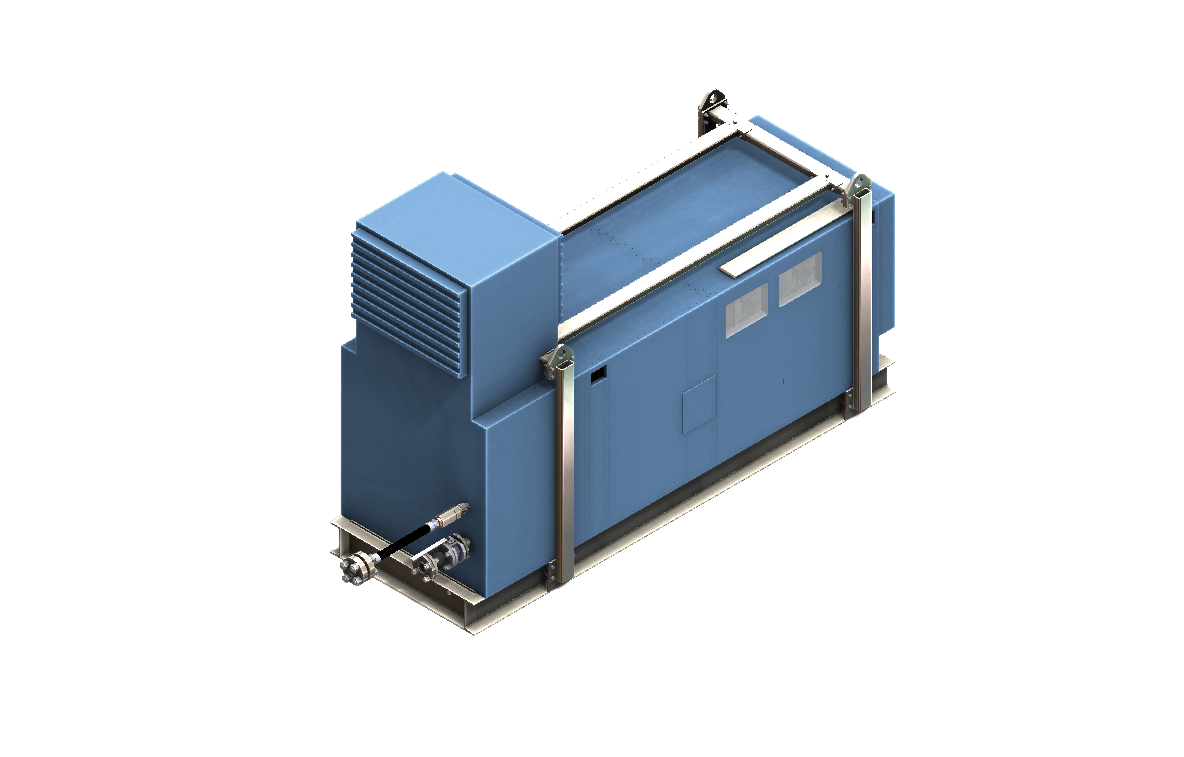
AIMPLAS will present a portfolio covering sorting and identification, solvent-based recycling, solvolysis, pyrolysis and gasification, enzymatic recycling, de-crosslinking, upcycling, and process simulation. The choice of route depends on the material, its origin, condition, contamination level, and final application.
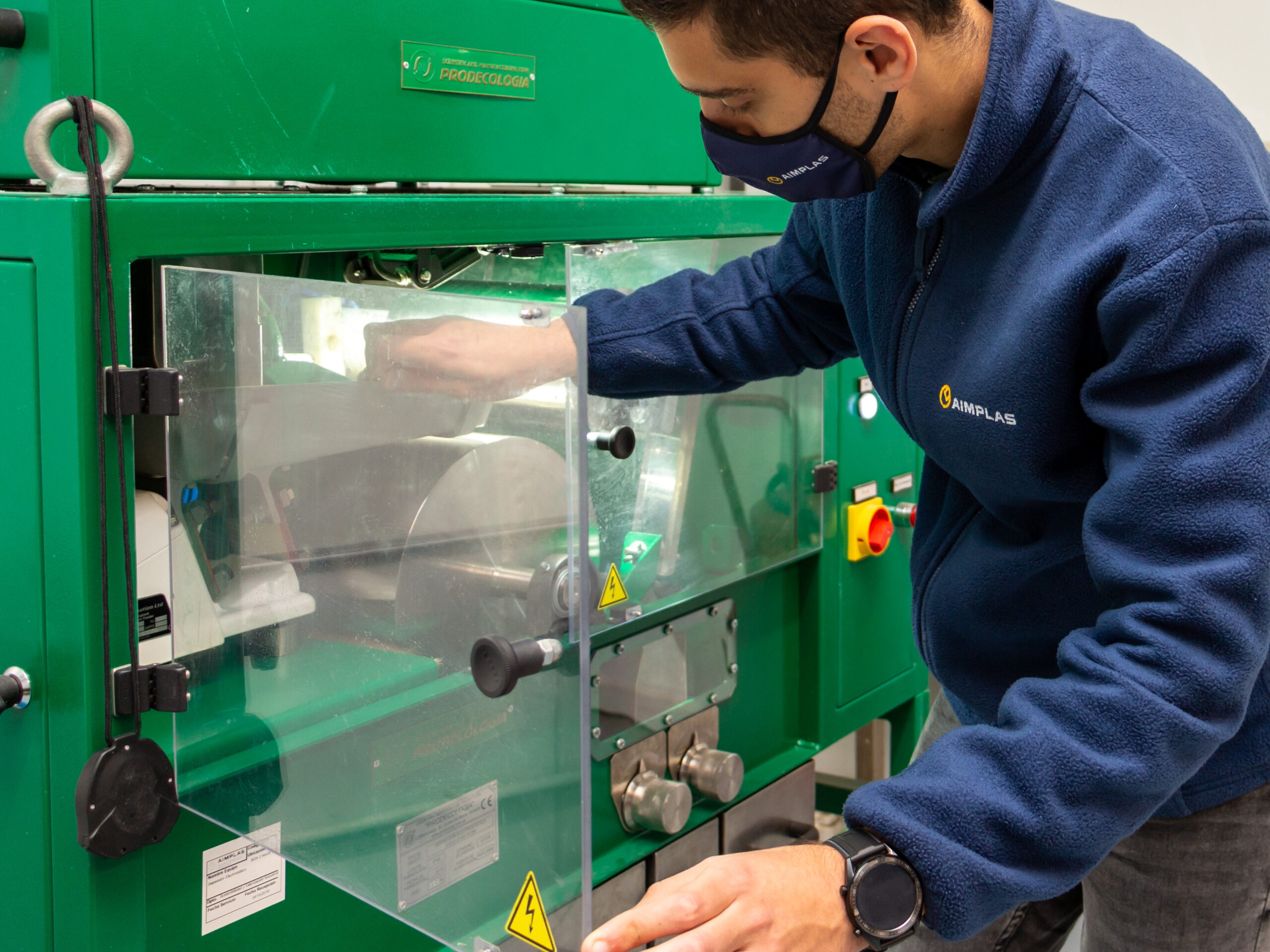
Sorting technologies remain an essential first step. AIMPLAS will present approaches including near-infrared identification, artificial vision, density separation, air flow separation, and electrostatic or triboelectric separation. Better sorting improves the consistency of waste streams before higher-value recovery processes are applied.
Solvent-based recycling can separate and purify components in multilayer or highly contaminated materials that are difficult to recover mechanically. Chemical recycling routes such as solvolysis, pyrolysis, and gasification can recover monomers or oligomers, or convert waste into fuels and other value-added outputs, including fibres.
The centre will also highlight enzymatic recycling, particularly for polycondensation polymers such as PET and bioplastics including PLA. Enzymes can support controlled degradation, substance recovery, and layer separation, extending recovery options for materials where conventional processing delivers limited value or insufficient purity.
De-crosslinking will also feature at the show, covering materials such as crosslinked polyethylene, rubbers, and elastomers including EVA. These materials are difficult to recycle because their polymer networks are built for durability, chemical resistance, and long service life rather than later reprocessing.
AIMPLAS will present process simulation and techno-economic analysis as part of its recycling offer. Assessing industrial viability before scale-up allows companies to compare cost, yield, environmental performance, and market application before committing to a recovery route.
The technologies apply across automotive, packaging, textiles, construction, renewable energy, electrical and electronic equipment, sports and leisure, and marine litter applications. AIMPLAS said its work is developed under Safe and Sustainable by Design methodology, incorporating life cycle assessment, life cycle costing, social life cycle assessment, and health and safety evaluation.
Vanessa Gutiérrez Aragonés, mechanical recycling researcher at AIMPLAS, will also speak on 5 May in Conference Theatre One during the session “Future-Proof Design: Navigating the Recyclability Targets”. Further information is available through AIMPLAS recycling technologies.