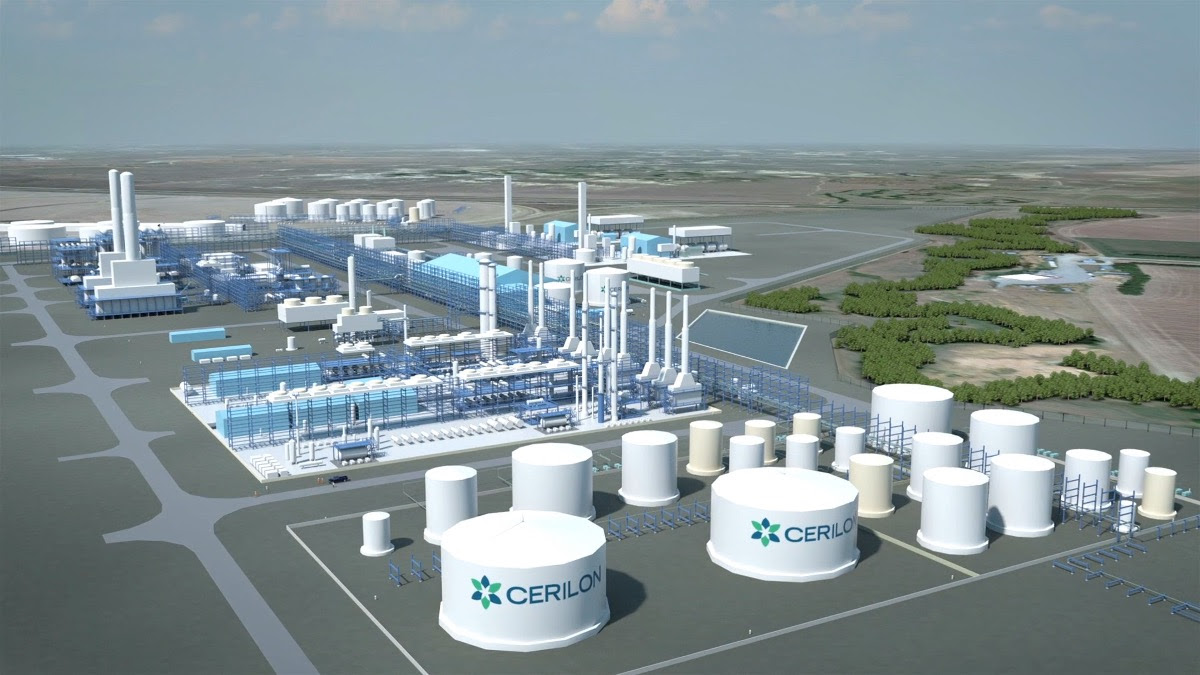
ABB and Canadian engineering business CerilonSoft have signed a memorandum of understanding to explore the development of integrated automation, electrification and digital technology solutions for industrial facilities and power generation projects. The proposed collaboration includes potential gas-powered facilities serving data centres, alongside work in refining, chemicals and other process industries.
The agreement brings together ABB’s automation and electrical engineering capabilities with CerilonSoft’s expertise in operations management, process optimisation, asset management and business analytics. The companies intend to examine opportunities at both new developments and operating plants, initially in Canada and potentially in other markets. The scope covers energy facilities, chemicals and refining, rather than a list of approved construction projects.
The memorandum establishes a framework for examining and developing joint solutions. It is not a confirmed order for generating equipment, a construction contract or evidence that a new data centre power station has been commissioned. Neither company has disclosed an investment amount, project capacity or timetable for commercial deployment under the agreement.
CerilonSoft is a subsidiary of Calgary-based Cerilon, whose wider energy activities include the development of a proposed gas-to-liquids plant. Dedicated gas generation behind a customer’s electricity meter is one of the additional opportunities described in the new agreement, not an installation already commissioned through it. The subsidiary combines consulting and digital systems expertise to help operators evaluate the relationship between industrial processes, equipment condition and the costs of running a facility.
The companies envisage combining their capabilities from the engineering and design stage through to plant operation. A new facility can integrate its electrical distribution, automation infrastructure and data systems during design, whereas an existing plant may need to connect additional monitoring and control functions to equipment installed over many years.
Those circumstances create different engineering requirements. A new installation can specify compatible instrumentation, communications and control interfaces before construction begins. At an operating site, the engineering team must establish what equipment is already present, how its signals are collected and whether changes can be introduced without interrupting production or compromising process safety.
Industrial process control typically relies on instrumentation that measures conditions such as temperature, pressure, flow and equipment state. Controllers use this information to regulate valves, motors and other machinery according to the process requirements. Electrical systems meanwhile supply power to that equipment, and maintenance systems record asset condition and intervention history.
Combining those measurements with asset records would allow operators to analyse how production decisions affect reliability and energy demand. For example, changing the operation of a compressor can affect process output, electricity demand and the mechanical conditions experienced by the machine. Evaluating only one of those measurements may conceal a constraint elsewhere in the system.
CerilonSoft’s Cerilon Value Optimizer brings together business, operations, maintenance, advanced process control and engineering information to support plant decisions. The company identifies ABB as a preferred value-creation partner and describes work involving the System 800xA control environment. Those existing capabilities provide technical context, but the companies have not identified a definitive equipment list or software architecture for a project under the new memorandum.
The use of artificial intelligence forms part of the proposed digital offering. Models that analyse process history and current operating conditions can help identify departures from expected behaviour or recommend changes to operating settings. Their effectiveness depends on accurate data, an adequate understanding of the physical process and appropriate limits on how recommendations are applied.
In continuous production environments, an optimisation recommendation cannot be judged solely by its effect on one measure, such as electricity consumption. Reduced pumping or heating might save energy while affecting product quality, throughput or equipment operating limits. Suitable engineering controls and operator oversight remain necessary before changes are implemented.
Power generation for data centres is another potential application of the agreement. CerilonSoft said the work could include reliable dedicated gas generation facilities intended to operate off grid and support large computing installations. Such projects may be considered where operators seek a dedicated electricity supply for substantial computing demand, although the announcement does not establish that a customer has selected the approach or obtained the approvals needed to build it.
A dedicated generation installation must be engineered around the required electrical load, fuel availability and the relationship between generators and the facility’s distribution systems. Changes in computing and cooling demand create electrical operating conditions that must be managed while maintaining equipment reliability. Depending on project design, the generating plant may also require suitable control over auxiliary systems, emissions and maintenance operations.
Combining power automation with industrial asset information could allow operators to assess generating equipment alongside the infrastructure it serves. However, the memorandum provides no independently measured improvement in generating efficiency, plant availability or data centre performance, and those outcomes should not be assumed before equipment is specified and tested.
The new agreement builds on earlier work between ABB and the Cerilon group. ABB previously secured work involving front-end engineering and automation for Cerilon GTL Inc’s first proposed gas-to-liquids plant. The latest collaboration extends the discussion towards a wider range of power and process optimisation opportunities, rather than announcing that the earlier plant has been completed or entered commercial production.
Marius Knoesen, director of CerilonSoft, described an initial focus on Canadian opportunities before expansion into other markets, including applications in dedicated gas generation, chemicals and refining. Ben Venter, ABB’s local division manager for Energy Industries in Canada, outlined the intention to connect process automation with information from operational and enterprise systems. The supplied company material does not commit either party to a delivery timetable or provide signed customer contracts.
The commercial outcome will depend on the companies identifying specific projects, agreeing their engineering scope and establishing that the proposed combinations can operate reliably in each facility. For now, the agreement provides a route for developing integrated power and industrial process offerings, with customers, project specifications and delivery commitments yet to be announced.