The European Rail Supply Industry Association (UNIFE) has called on European transport ministers to develop a dedicated industrial strategy for the railway supply sector, warning that restrictions on international market access threaten the competitiveness of European equipment manufacturers and engineering businesses.
The association wants ministers attending the EU Transport Council meeting on 30 November to begin developing a strategy covering public procurement, international trade, research funding, and investment in railway infrastructure.
The European rail supply industry generates annual economic activity worth approximately €62.6 billion and supports around 650,000 jobs, including employment associated with construction.
However, UNIFE’s 2026 World Rail Market Study, conducted by Bain & Company, found that European suppliers can access only 56% of the global railway supply market, down from 59% in 2024 and 61% in 2022.
The association estimates that restrictions exclude European manufacturers from approximately €97 billion in annual commercial opportunities. The figure represents the value of inaccessible markets rather than revenue European suppliers would necessarily secure if those restrictions were removed.
Railway equipment manufacturers compete across interconnected markets encompassing rolling stock, signalling, electrification, communications, infrastructure equipment, and engineering services. Individual projects frequently require coordination between manufacturers, infrastructure managers, operators, and specialist contractors.
Procurement requirements influence how manufacturers organise production for these markets. Provisions covering domestic manufacturing, local partnerships, technology transfer, and the qualification of individual components can affect the cost and feasibility of participating in international contracts.
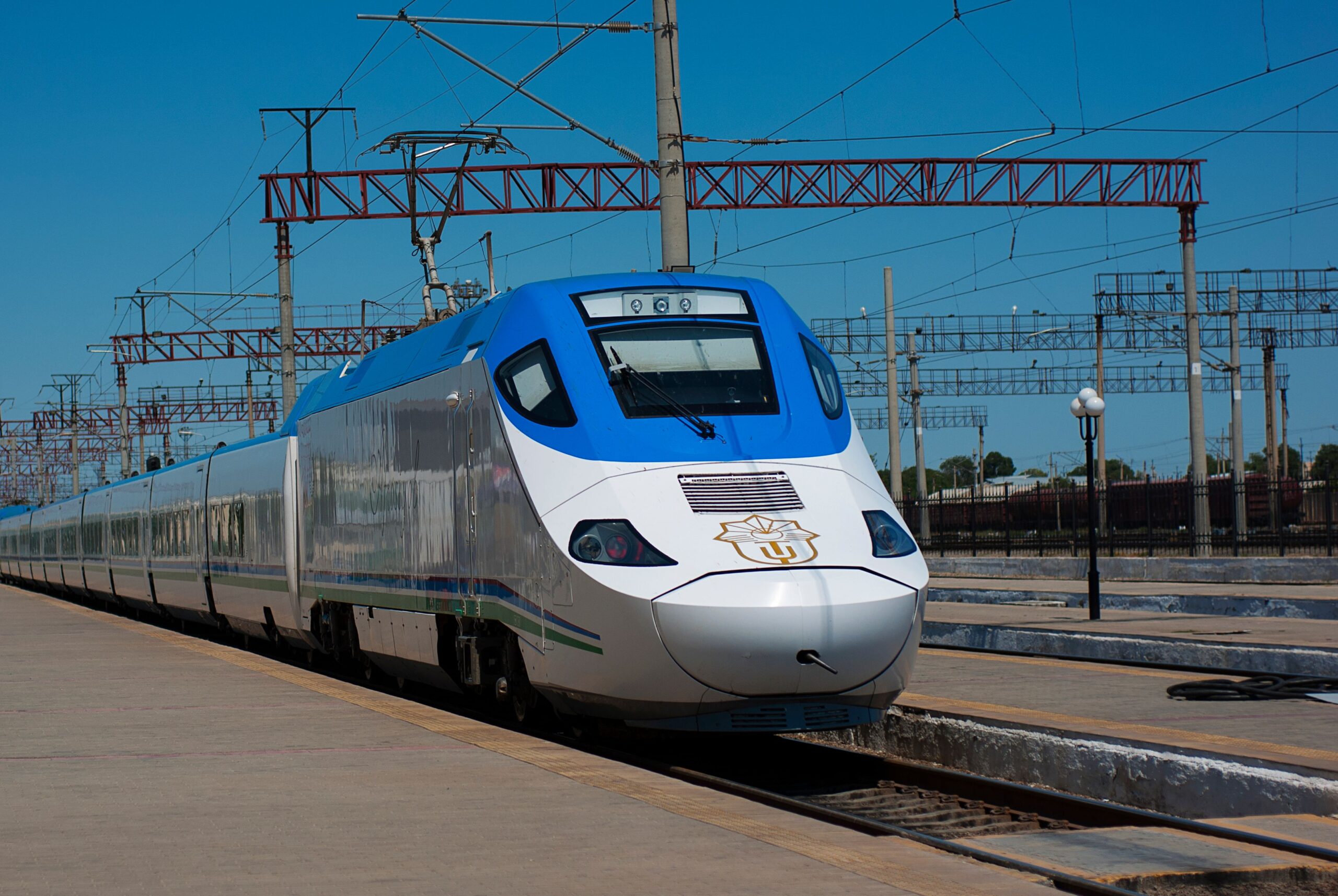
Rolling stock production, for example, involves integrating vehicle structures, traction equipment, braking systems, electrical installations, passenger facilities, and control software. These assemblies can be manufactured across several countries before being brought together within a completed vehicle.
Local manufacturing requirements can necessitate establishing additional production facilities or transferring particular operations to regional suppliers. The resulting expenditure must be assessed against anticipated order volumes, the availability of qualified personnel, and opportunities to secure further contracts.
Technical requirements present additional obstacles. Railway equipment developed for one network may require modification before it can be deployed elsewhere, reflecting differences in infrastructure, operating conditions, and applicable authorisation procedures.
Variations in signalling arrangements, electrification systems, loading gauges, and environmental conditions can require additional engineering and validation. The cost of developing revised equipment configurations can therefore influence whether a manufacturer chooses to pursue a particular contract.
UNIFE is seeking greater consistency in European procurement and approval arrangements, alongside measures addressing international competition.
Common technical interfaces could allow manufacturers to reuse established components and assemblies across successive railway programmes, distributing development expenditure across a larger volume of equipment.
The extent of that standardisation depends partly on existing infrastructure. Railway assets can remain operational for several decades, requiring new equipment to accommodate technical characteristics established long before its development.
UNIFE has also called for stronger enforcement of the EU Foreign Subsidies Regulation, seeking to prevent businesses benefiting from distortive foreign financial support from participating in certain European procurement procedures or accessing EU funding.
Its proposals include European preference provisions within future public procurement legislation. Implementing those measures would require procurement authorities to assess eligibility alongside established technical requirements, commercial criteria, and international obligations.
The association’s recommendations also address the importance of predictable domestic demand. Railway manufacturing facilities require sustained production programmes to justify expenditure on specialist machinery, engineering development, workforce training, and supplier qualification.
Extended intervals between major orders can leave manufacturers with underutilised production facilities and contribute to the loss of experienced personnel. Conversely, concentrated ordering activity can place pressure on component suppliers and restrict the availability of specialist manufacturing capacity.
Longer-term infrastructure investment programmes can improve visibility over those requirements, allowing manufacturers and suppliers to coordinate recruitment, equipment investment, and production schedules.
UNIFE is seeking greater railway investment through the Connecting Europe Facility and the proposed European Competitiveness Fund, alongside a dedicated public-private research partnership within the EU’s next multiannual budget for 2028–2034.
Collaborative research is particularly relevant to railway technologies whose commercial deployment depends on coordination between equipment manufacturers and infrastructure operators.
Digital signalling systems, automated train operation, and interoperable railway communications require engineering across several equipment categories. Developing individual products without considering their interaction with the wider railway network can create additional integration and authorisation work when those technologies reach commercial deployment.
Research programmes involving several industrial participants can support the development of common specifications and testing methods before manufacturers commit resources to larger production programmes.
The proposed industrial strategy would bring these manufacturing, research, procurement, and trade priorities into a common European policy framework.
Transport ministers will consider the industry’s intervention against the wider requirements of European railway investment and competitiveness. The 30 November meeting provides the next opportunity to establish political support for developing the strategy, which has yet to be adopted by EU institutions or member states.