Wärtsilä has confirmed that four additional general cargo vessels being constructed for Dutch shipowner Royal Wagenborg will use its Wärtsilä 25 marine engine platform, extending the propulsion equipment programme across six ships in the EasyMax 2.0 series.
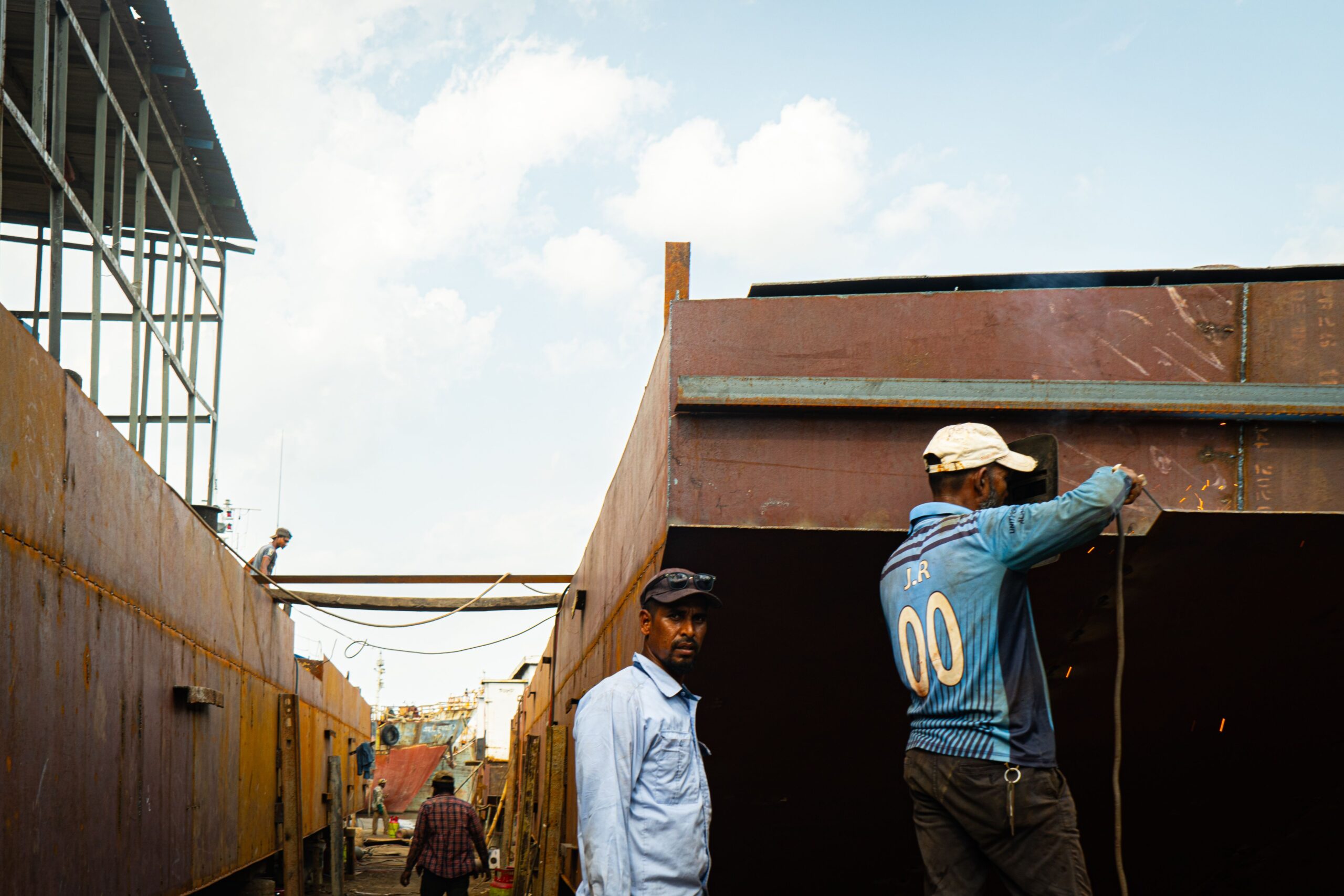
The 14,000-deadweight-tonne vessels are being constructed at the Royal Niestern Sander shipyard in Delfzijl, the Netherlands, with deliveries of the additional engines scheduled to begin in 2027.
Wagenborg announced an agreement for four fuel-flexible marine engines on 2 October following the signing of an agreement during the SMM maritime exhibition in Hamburg. Wärtsilä has now confirmed the engine model and recorded the order within its fourth-quarter 2026 order intake.
The selection follows a contract awarded in 2025 for the first two vessels in the EasyMax 2.0 programme. Earlier generations of Wagenborg’s EasyMax vessels have incorporated Wärtsilä 32 engines.
The Wärtsilä 25 is a modular, medium-speed, four-stroke engine available in configurations incorporating between six and nine inline cylinders. Across the engine family, power outputs range from approximately 1.9MW to 3.4MW, with operating speeds of 900 or 1,000rpm.
Wärtsilä has developed conventional diesel, dual-fuel liquefied natural gas (LNG), and ammonia variants of the platform. Its modular architecture is intended to accommodate different propulsion requirements and support future modifications as marine fuel technologies develop.
Wagenborg has indicated that the EasyMax 2.0 programme is being developed with potential future use of alternative fuels, including methanol, ammonia, and LNG, in mind.
Preparing vessels for these fuels introduces engineering requirements extending beyond the selection of the propulsion engine. Storage arrangements, fuel delivery systems, combustion equipment, and associated protective functions must accommodate different physical and chemical fuel characteristics.
LNG requires cryogenic storage alongside equipment responsible for supplying the engine with fuel under appropriate operating conditions. Methanol can be stored as a liquid at ambient temperatures, but its lower volumetric energy density relative to conventional marine fuels increases the storage volume needed to provide an equivalent amount of energy.
Ammonia introduces separate requirements associated with toxicity, containment, ventilation, and combustion characteristics. Equipment design must account for these properties throughout fuel storage, handling, and engine operation.
The modular engine platform can provide a basis for subsequent modifications, but conversion of the wider propulsion system will depend on the vessel’s original design and the characteristics of the selected fuel.
Space allocation becomes particularly important during ship construction because alternative fuel systems can require different storage volumes and associated machinery. Additional equipment may affect the amount of space available for cargo, machinery access, and other operational requirements.
Accommodating suitable structural provisions and equipment interfaces during initial construction can reduce the extent of subsequent modifications. The scope of any conversion will nevertheless depend on applicable safety requirements, equipment availability, and the operating characteristics of individual vessels.
Wärtsilä has continued developing the alternative fuel variants of its engine platform. In April, the manufacturer increased the power rating of its Wärtsilä 25 Ammonia engine to 315kW per cylinder at 900rpm and 345kW per cylinder at 1,000rpm, bringing its output into line with that of the company’s corresponding LNG engine.
Matching power ratings across different engine variants can simplify some aspects of machinery selection and future engineering assessments, particularly where vessel designs have established propulsion power requirements.
The ammonia engine development is separate from the specific Wagenborg order, which does not establish that ammonia-fuelled engines will be installed when the ships are delivered.
Selecting a common engine family across six vessels also provides opportunities to standardise machinery arrangements, maintenance procedures, spare parts inventories, and technical training.
Those commonalities have practical implications throughout a fleet’s operating life. Maintenance personnel can develop experience with shared equipment configurations, while operators can coordinate the procurement of replacement components across vessels undertaking comparable duties.
Repeated machinery installations can also support shipyard production through the reuse of engineering information, assembly procedures, and commissioning documentation.
The precise extent of that reuse will depend on the configuration of each vessel, including the arrangements established for fuel supply, auxiliary equipment, and the integration of propulsion machinery with other onboard systems.
Equipment delivery must consequently be coordinated with construction programmes encompassing structural fabrication, mechanical installation, electrical work, and subsequent testing.
Wagenborg expects the first EasyMax 2.0 vessel to be delivered during the first quarter of 2027. Construction of the remaining ships will continue as Wärtsilä begins supplying the four additional propulsion engines, establishing a common engine platform across the six-vessel programme.