AdMel is expanding its welding, pipework, and fabrication operations in Northumberland, with plans to relocate to a larger engineering facility at Ashwood Business Park in Ashington from January 2027.
The company will occupy a 12,000 sq ft industrial unit with an additional 7,500 sq ft external compound. The new premises are almost eight times larger than its existing base near Morpeth, providing space to undertake more extensive manufacturing contracts alongside its established site services.
Founded by Mel Stewart and Adam Maughan, AdMel began trading approximately a year ago. Its founders have more than 50 years of combined welding experience, including international engineering projects.
The company operates across advanced engineering, defence, and pharmaceutical applications, with recruitment underway for an additional pipefitter and welder ahead of the relocation. Its expansion follows increasing demand for specialist fabrication and mechanical installation services.
Larger workshop facilities will allow AdMel to accommodate more extensive pipework assemblies and organise fabrication activities around projects requiring substantial quantities of material, specialist handling equipment, and access for inspection.
Industrial pipework fabrication requires close coordination between engineering drawings and the physical manufacturing process. Individual sections must be prepared, positioned, and joined so that the completed assembly corresponds to the dimensions and connection arrangements established during design.
Although individual joints can be manufactured to relatively tight tolerances, dimensional variations may accumulate across longer assemblies. Changes in direction, branch connections, and interfaces with machinery introduce further requirements because several parts of the system must align simultaneously during installation.
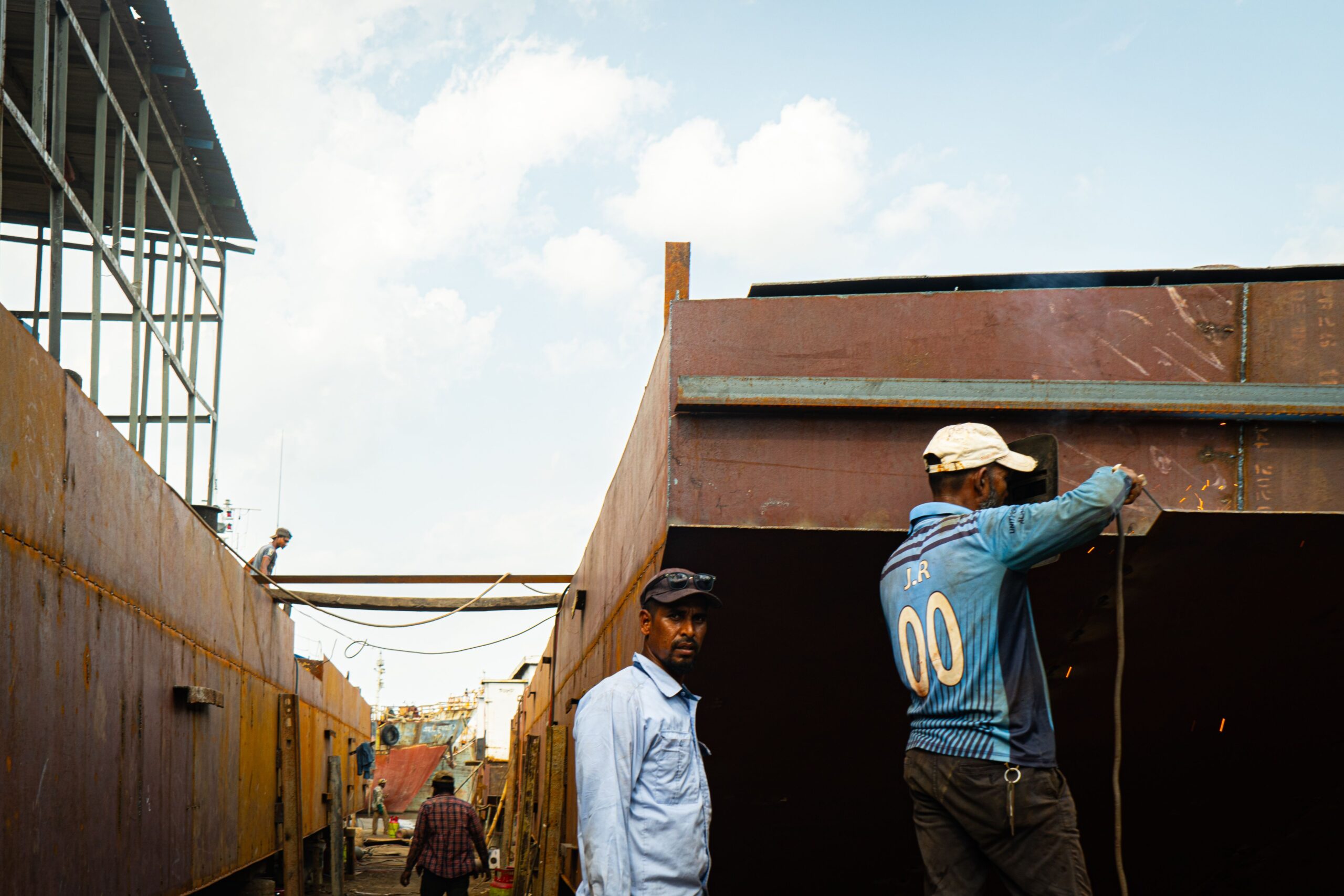
Welding introduces localised heating and contraction as the material cools, potentially altering the geometry of the assembly. Engineers can manage distortion through appropriate restraint, welding sequences, and intermediate measurements, with the methods selected according to the material and the structure being fabricated.
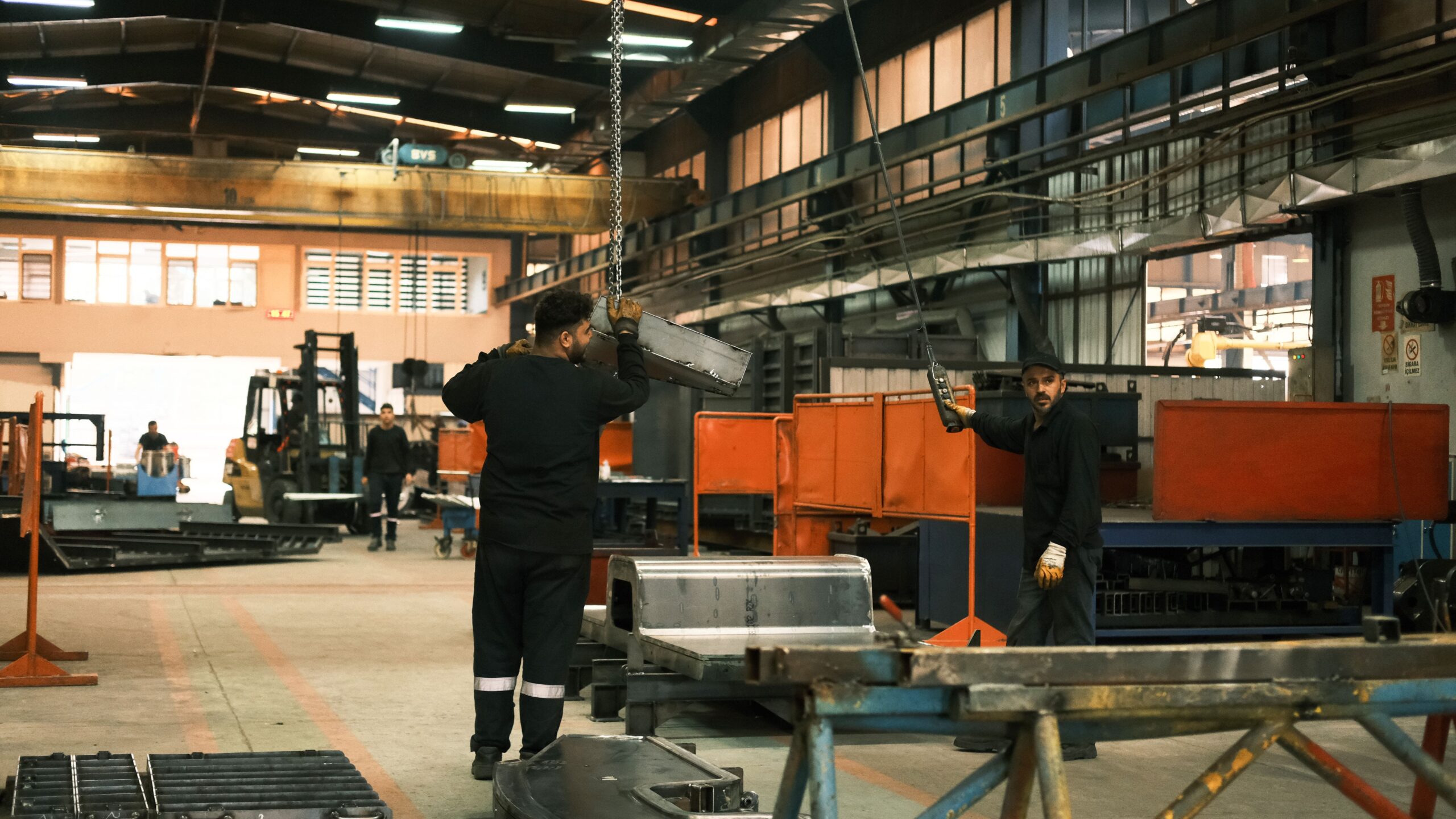
Additional workshop space can provide greater flexibility over how larger assemblies are positioned during these operations. Sufficient access around a component can improve the practical arrangements for welding and inspection, while separate work areas can allow several fabrication activities to progress concurrently.
Manufacturing pipework away from its final installation location can also reduce the volume of work undertaken at operational industrial facilities. Prefabricated sections can be inspected and prepared for delivery before access becomes available at the customer’s premises.
That approach is particularly relevant to plant modifications requiring coordination with planned maintenance shutdowns. Existing production equipment may restrict access to installation areas, making it advantageous to complete as much fabrication as possible before the shutdown begins.
Accurate site measurements and controlled engineering documentation are essential to this method. If the dimensions of existing equipment or structures differ from those recorded during design, prefabricated assemblies may require modification before they can be installed.
Managing these interfaces becomes more demanding as the scope of a fabrication contract increases. Individual assemblies must correspond with the positions of equipment nozzles, valves, structural supports, and other components, while allowing for the thermal and mechanical conditions anticipated during operation.
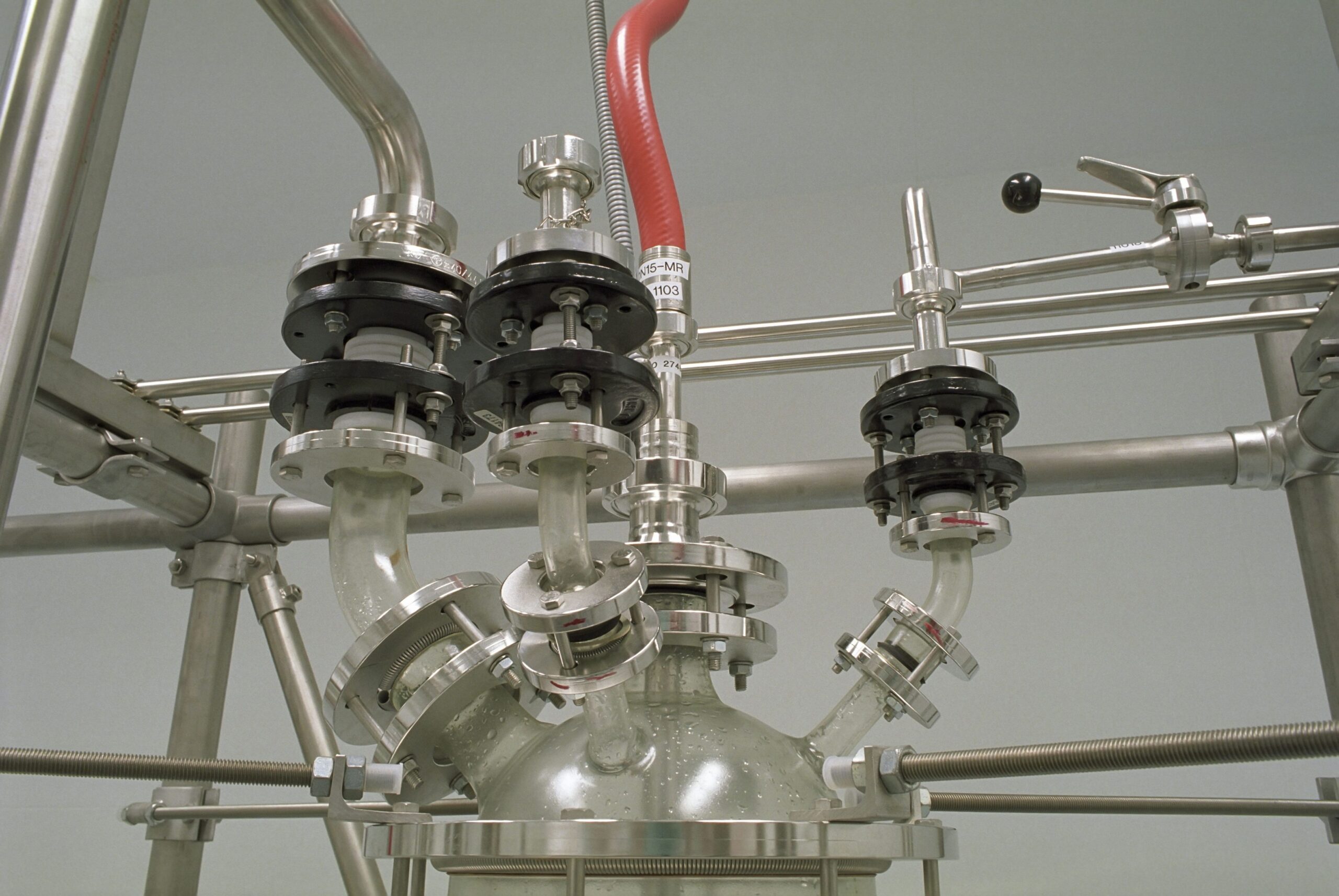
AdMel’s activities across several industrial sectors also expose its manufacturing processes to different technical requirements. Pressure systems may require specified material grades, qualified joining procedures, and documented inspections, while pharmaceutical installations can introduce demanding cleanliness and surface condition requirements.
Manufacturing procedures must reflect these application-specific conditions rather than treating every pipework assembly as mechanically interchangeable. Material identification, welding records, and inspection results provide evidence that individual components have been produced in accordance with the relevant specifications.
The ability to retain and reconcile that information becomes increasingly important when an engineering contractor undertakes several projects simultaneously. Documentation must remain associated with the correct materials and assemblies as work progresses through manufacturing, inspection, and installation.
Expanding the workforce alongside the factory provides additional capacity to undertake these activities. Welding and pipework fabrication remain dependent on practical skills, particularly where contracts require personnel qualified to work with particular materials, joining processes, or manufacturing specifications.
AdMel has also been developing apprenticeship opportunities, providing a route for transferring established fabrication experience to new entrants. Expanding the number of experienced personnel available to supervise and support that training could help the company develop its workforce as contract volumes increase.
The larger Ashington facility will provide more room for materials storage, assembly, inspection, and dispatch, although the amount of additional production it can accommodate will depend on staffing, equipment availability, and the complexity of individual contracts.
AdMel will continue undertaking site-based engineering projects throughout Britain after relocating. The move is scheduled for January 2027, with recruitment progressing ahead of the transfer of manufacturing operations.