Australian connectivity specialist Myriota has secured US$40 million in the first tranche of its Series C funding round, financing the expansion of its satellite network and industrial Internet of Things (IoT) platform into additional markets and applications.
The Adelaide-based company completed the AU$60 million first close within 100 days, bringing cumulative funding to more than US$107.5 million. It expects to complete the remainder of the round in early 2027.
Existing investors Main Sequence Ventures, Hostplus, and the National Reconstruction Fund Corporation (NRFC) led the financing, with Funds SA joining as a new investor. The NRFC confirmed that it is contributing AU$20 million to the round.
Myriota combines low-power communications devices, satellite connectivity, field installation tools, and fleet management software to support industrial operations where assets are distributed across locations with limited terrestrial communications coverage. Its applications include mining equipment, industrial fuels, trailers, agricultural water supplies, and off-grid solar installations.
“We’re at the beginning of a fundamental shift in industrial IoT. Industries increasingly rely on data from the field to make decisions about their operations, assets and resources, and as AI moves into the physical world, that data becomes even more essential,” said Ben Cade, CEO of Myriota.
The communications requirements of many remote industrial assets differ considerably from those of applications using satellite broadband. Fuel storage tanks, for example, may only need to transmit periodic measurements of inventory levels or changes in operating status. Sending small quantities of data allows a device to limit its communications activity and conserve energy between transmissions.
The economics of these deployments depend partly on the frequency of physical maintenance. Monitoring equipment installed on remote infrastructure or mobile assets may require dedicated journeys to replace batteries or investigate connectivity problems. Reducing the energy consumption of individual devices can therefore influence the cost of managing an entire asset population.
Measurement and reporting schedules must reflect the application. A water storage tank may tolerate relatively long intervals between readings, while an operation dependent on rapidly changing process conditions could require a continuous communications link. The use of satellite IoT for periodic asset monitoring does not establish its suitability for real-time industrial control or safety functions.
Myriota has expanded its platform over the past year with HyperPulse, which combines a 5G non-terrestrial network with terrestrial connectivity. Compatible devices can communicate through available terrestrial infrastructure and satellite services, supporting assets that move between locations with different coverage characteristics.
Its AssetHawk product provides a ruggedised tracking device designed for extended operation. Providing connectivity and device management through a common platform allows customers to incorporate different categories of equipment without developing an entirely separate communications infrastructure for each application.
Myriota is expanding into industrial fuel monitoring, with deployments growing in North America and Latin America. It plans to extend these activities into Europe, the Middle East, Africa, and Asia Pacific.
Remote inventory information can support the planning of fuel deliveries by identifying tanks approaching their replenishment thresholds. Where delivery operations cover dispersed locations, coordinating replenishment around reported inventory rather than fixed inspection schedules could reduce unnecessary journeys and improve the utilisation of distribution vehicles.
Accurate inventory management nevertheless depends on the measurement technology installed at the tank, the intervals at which data are reported, and the integration of that information with the customer’s logistics systems. Connectivity provides the route by which measurements are transferred; it does not independently establish their accuracy.
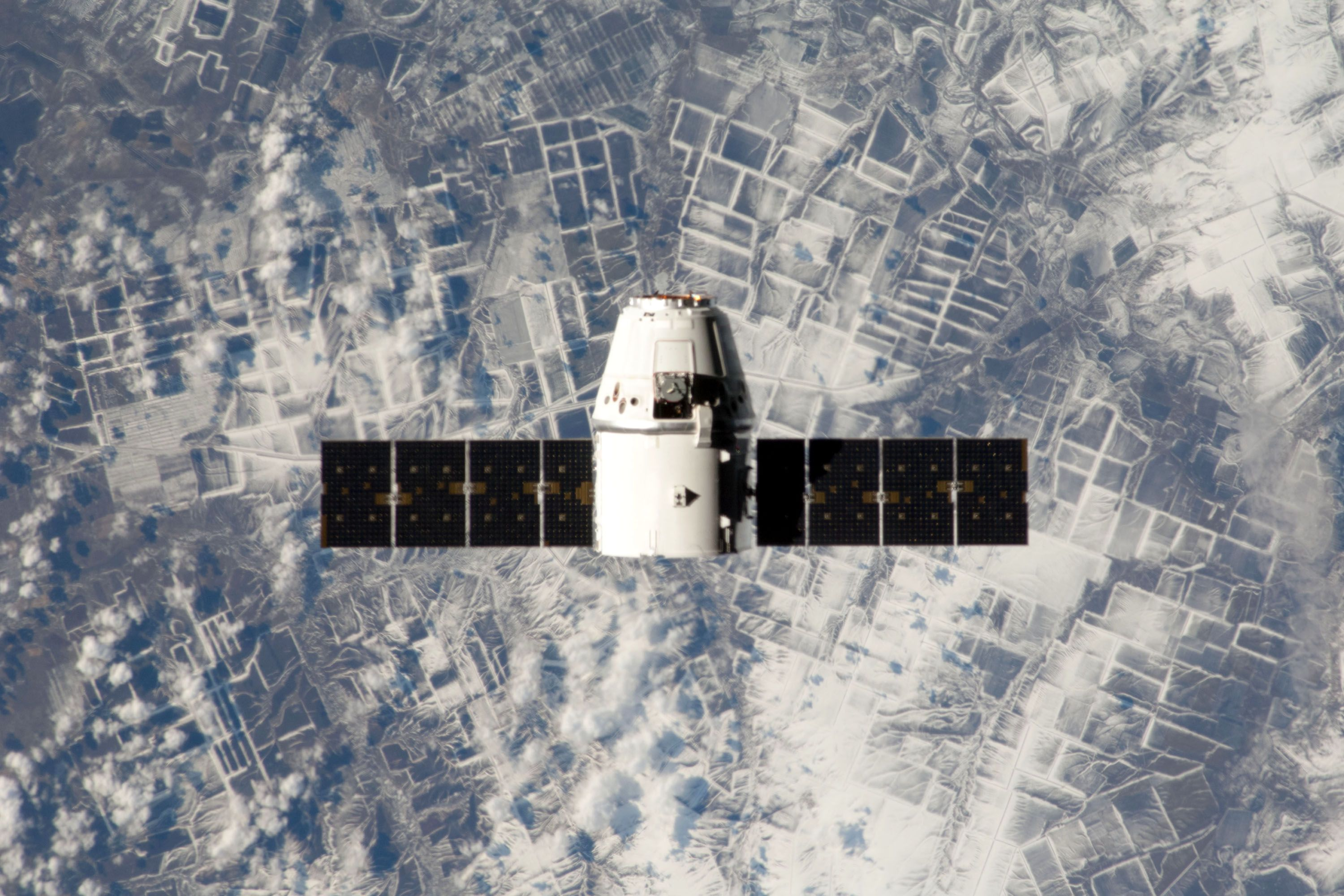
Increasing network capacity is another objective of the financing. Myriota reports launching 16 satellites during 2026, with additional launches booked for 2027 and 2028. The company plans to develop and launch its next generation of satellites to increase service capacity and network redundancy.
Network expansion will need to accommodate the characteristics of industrial traffic as the number of connected devices increases. The ability to support large asset populations depends on the communications resources available, the frequency of individual transmissions, and the coverage requirements of customers operating across different territories.
Myriota’s existing technology base allows it to adapt the configuration of devices, installation arrangements, and management software for new industrial sectors while retaining the underlying connectivity infrastructure. The first Series C close will support those application developments alongside investment in additional satellite capacity.
The company has not disclosed the size of its next funding tranche. Its planned network and product expansion will proceed as it works towards completing the round in early 2027.