Research commissioned by Hexagon has identified a gap between industrial organisations’ current levels of operational autonomy and their ambitions for the next decade. While 24% of surveyed decision-makers report high or full autonomy today, 61% expect their organisations to reach those levels within ten years.
The Autonomy Unlocked research, published on 24 November, draws on responses from 3,600 operational technology decision-makers and senior executives across six countries. Opinion Matters conducted the study in August 2026, covering manufacturing, construction, agriculture, aerospace and defence, automotive, and mining.
Hexagon identifies the availability of reliable physical measurement data as a potential constraint on adoption. Only 22% of respondents selected insufficient trusted measurement and precision data as a barrier, despite the dependence of many autonomous systems on accurate information about equipment and their surroundings.
The research uses six levels to describe the maturity of autonomous solutions. These distinguish systems operating with substantial human involvement from those capable of coordinating increasingly complex activities independently, within progressively wider operational boundaries.
An automated manufacturing process may already use extensive sensing and control equipment without being autonomous under such a framework. A controller operating machinery according to a programmed sequence makes decisions within the logic established during engineering. Greater autonomy involves evaluating conditions and selecting or adapting actions without requiring a person to determine each individual step.
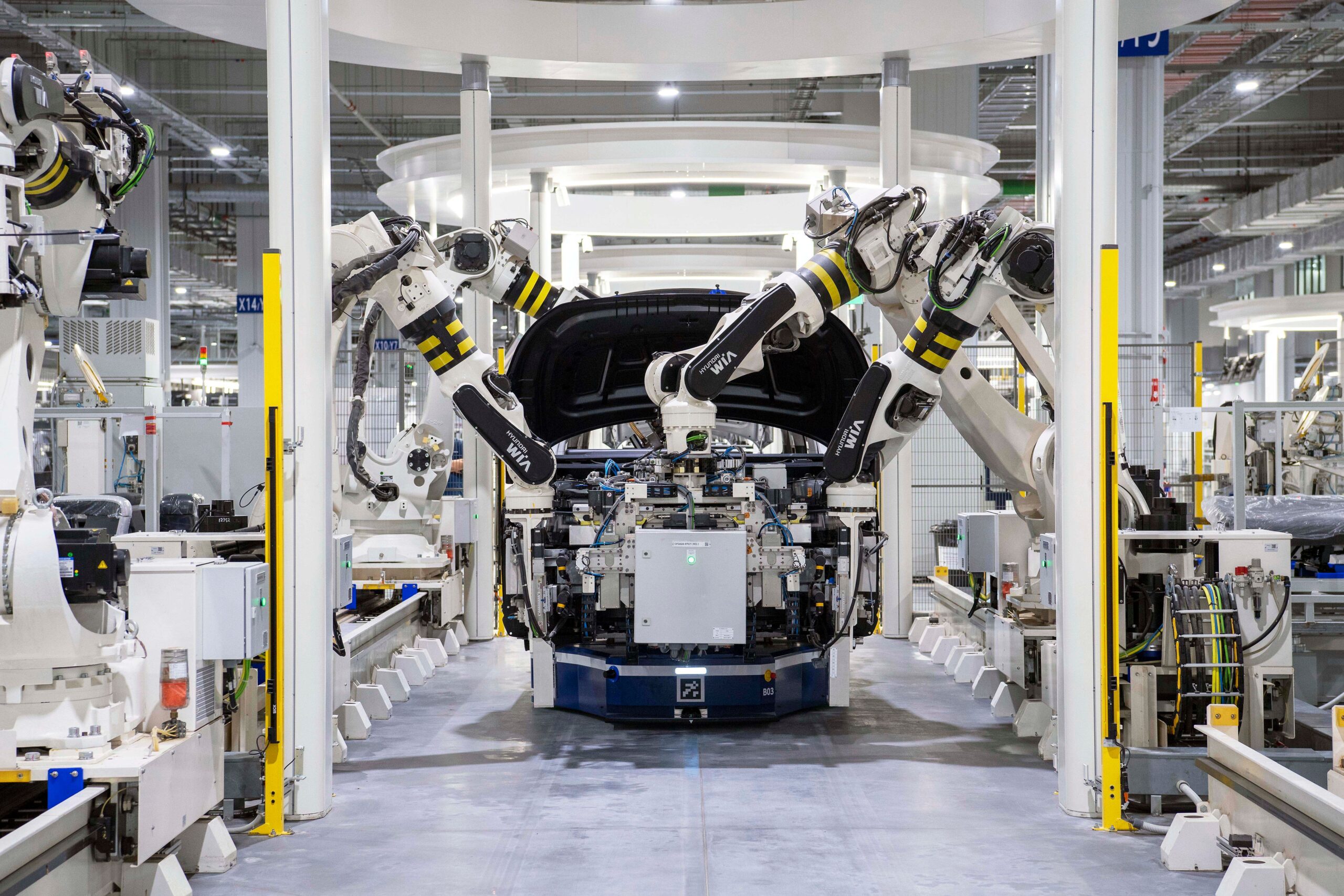
A robot cell provides an example of how the distinction affects equipment integration. Conventional robot programming establishes a sequence of positions and movements relative to tooling and workpieces. Mechanically locating each component allows the robot to execute those movements repeatedly, provided the production environment remains within the tolerances assumed during setup.
Vision guidance allows the equipment to adapt its movements to changes in the position of a component. The system must first determine where the part is located, relate that measurement to the robot’s coordinate system, and establish whether the required movements remain within the limits of the installation.
Errors in the camera calibration or coordinate transformation can therefore affect subsequent operations even when the robot executes the calculated path correctly. Measurement uncertainty must be considered alongside the positioning performance of the robot and the tolerances required by the manufacturing process.
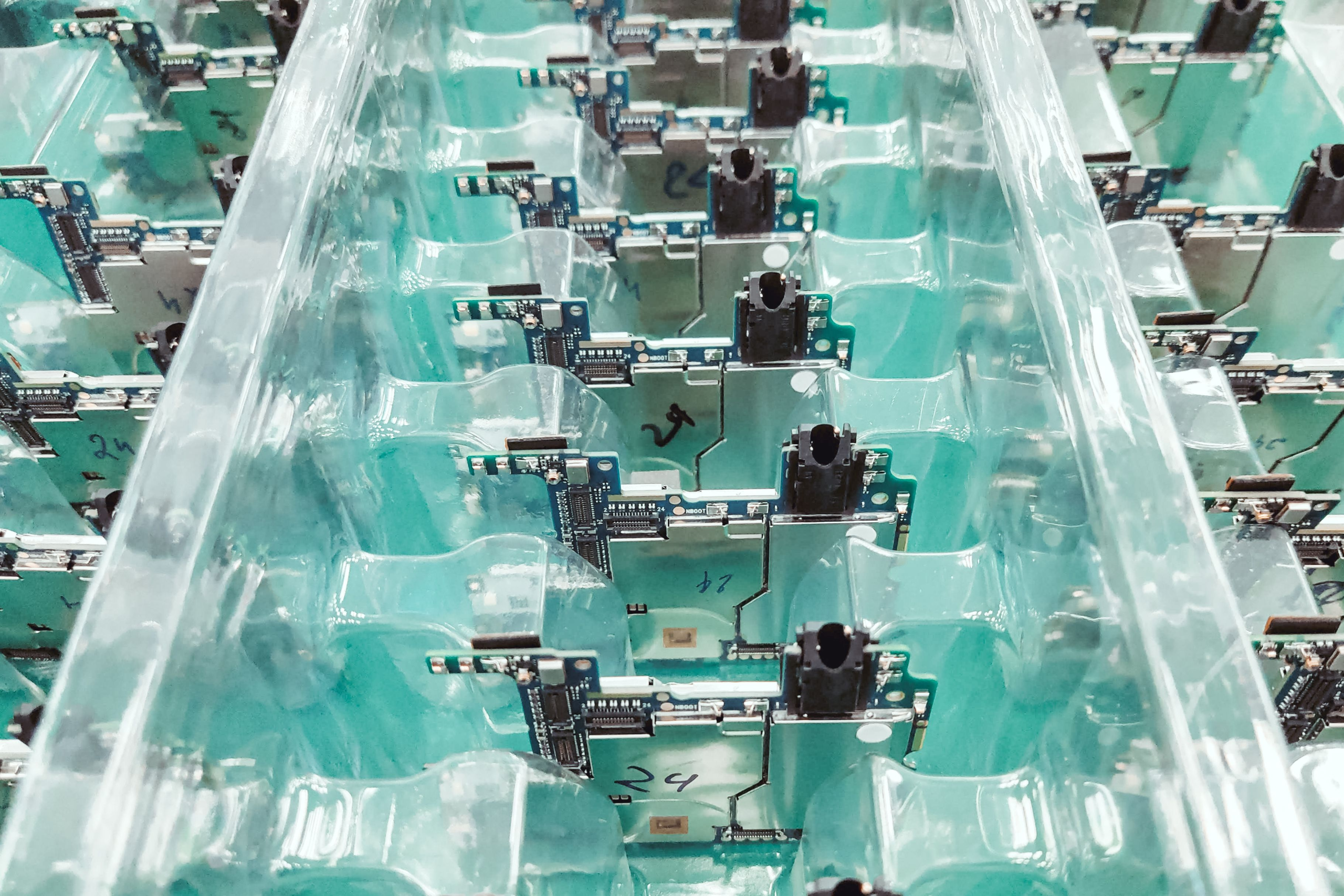
Autonomous inspection and production control create similar dependencies. Measurement results used to inform equipment adjustments must correspond to the correct component, production stage, and operating conditions. A system that receives a valid dimensional measurement associated with the wrong workpiece can still make an incorrect adjustment.
Establishing confidence in these data involves calibration, traceability, and appropriate management of equipment configuration. Environmental conditions can also influence the characteristics of measurements, particularly where instruments operate across varying temperatures, vibration levels, or lighting conditions.
Data quality requirements extend to the timing and availability of information. Equipment may need to respond to a changing process before the next manufacturing operation begins, while a slower analytical application could use measurements collected periodically over much longer intervals. The communications and processing arrangements must reflect the timescale of the decision.
As autonomy extends across more interconnected production activities, the effects of an inaccurate measurement may propagate beyond its original application. An incorrect assessment of component dimensions, for instance, could influence routing decisions, process adjustments, and quality records if those functions rely on the same data without independent verification.
Hexagon’s findings concern reported attitudes and levels of adoption. The proportion of respondents expecting their operations to become highly autonomous does not establish that the necessary measurement infrastructure, control architecture, or engineering expertise is already in place.
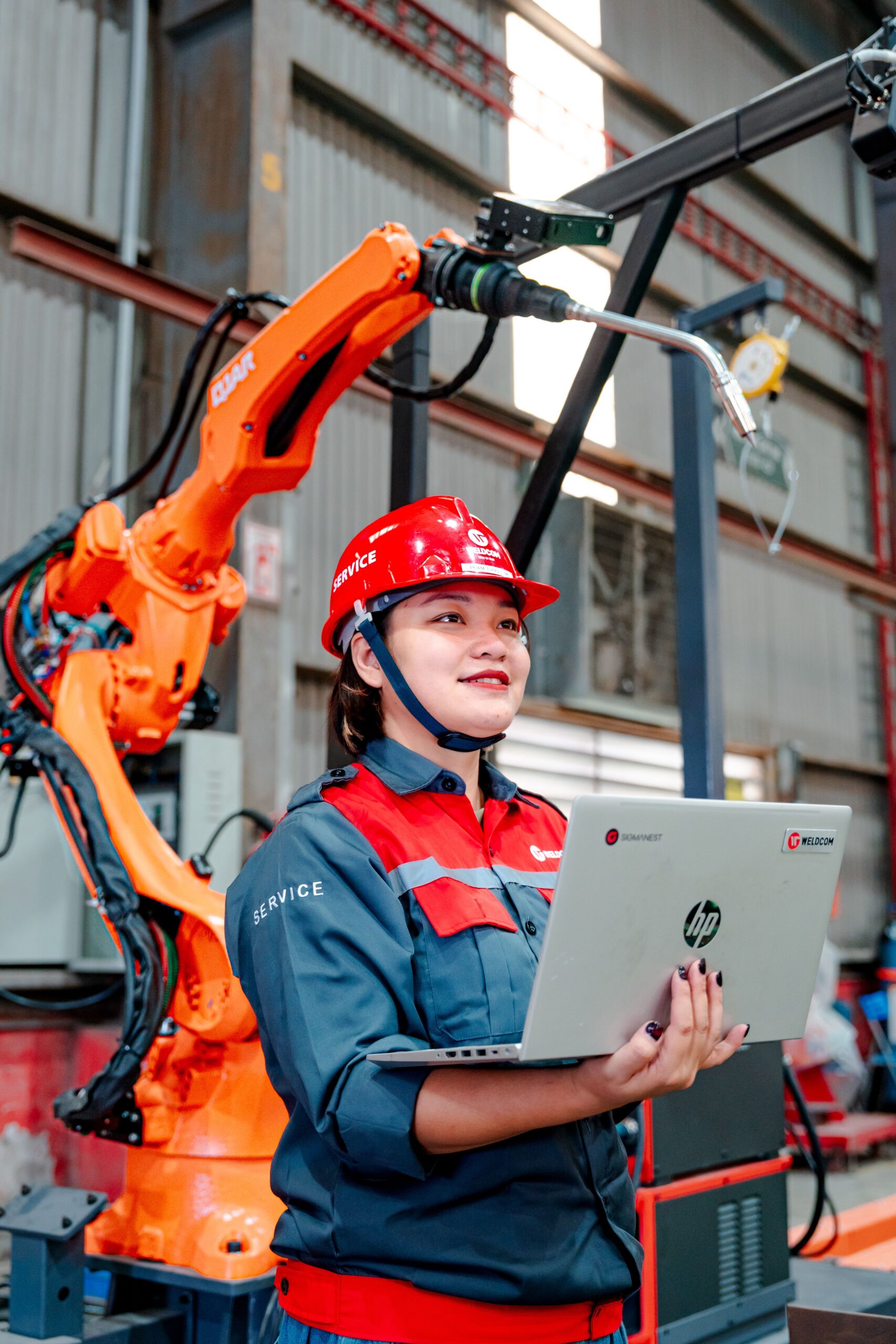
Industrial organisations introducing autonomous systems also need to establish the boundaries within which software can act. An application that recommends changes to operating parameters has different responsibilities from one authorised to implement those changes directly. The applicable validation requirements depend on the process and the consequences of incorrect operation.
These distinctions are particularly important where artificial intelligence is used to interpret unstructured engineering information alongside physical measurements. A generated recommendation must remain consistent with the equipment’s actual operating limits, rather than relying solely on patterns identified in historical information or documentation.
Maintenance arrangements will also need to address the continuing integrity of sensors, communications links, and software configurations. Replacing an instrument or modifying a machine can alter the assumptions underlying the autonomous application, creating a requirement to check its behaviour following the change.
Hexagon’s research programme is expected to continue into 2027. Its initial survey establishes a measure of industrial expectations, while the practical requirements for deployment will vary according to the accuracy of available measurements, the scope of decisions assigned to software, and the operating constraints of individual production systems.