ArcelorMittal has selected Italian plant engineering specialist Danieli to supply electric steelmaking equipment for its €1.3 billion investment in Dunkirk, France, where a new furnace will have an annual production capacity of two million tonnes.
Danieli confirmed the selection on 23 November. The equipment package centres on a Digimelter electric arc furnace with a tapping capacity of 300 tonnes, powered by the supplier’s Q-ONE digital power system. The wider project incorporates material handling, fume treatment, electrical equipment, and automation. Operations are scheduled to begin in 2029.
ArcelorMittal confirmed the investment in February, following the signing of a competitive low-carbon electricity supply contract in France. The €1.3 billion figure covers the overall Dunkirk development rather than Danieli’s individual equipment order, for which a separate contract value has not been disclosed.
Dunkirk currently manufactures flat steel using two blast furnaces. Conventional blast furnace ironmaking relies on carbon-based reducing agents to remove oxygen from iron ore at high temperatures. The molten iron is subsequently converted into steel through further processing, which adjusts its chemical composition before casting and downstream production.
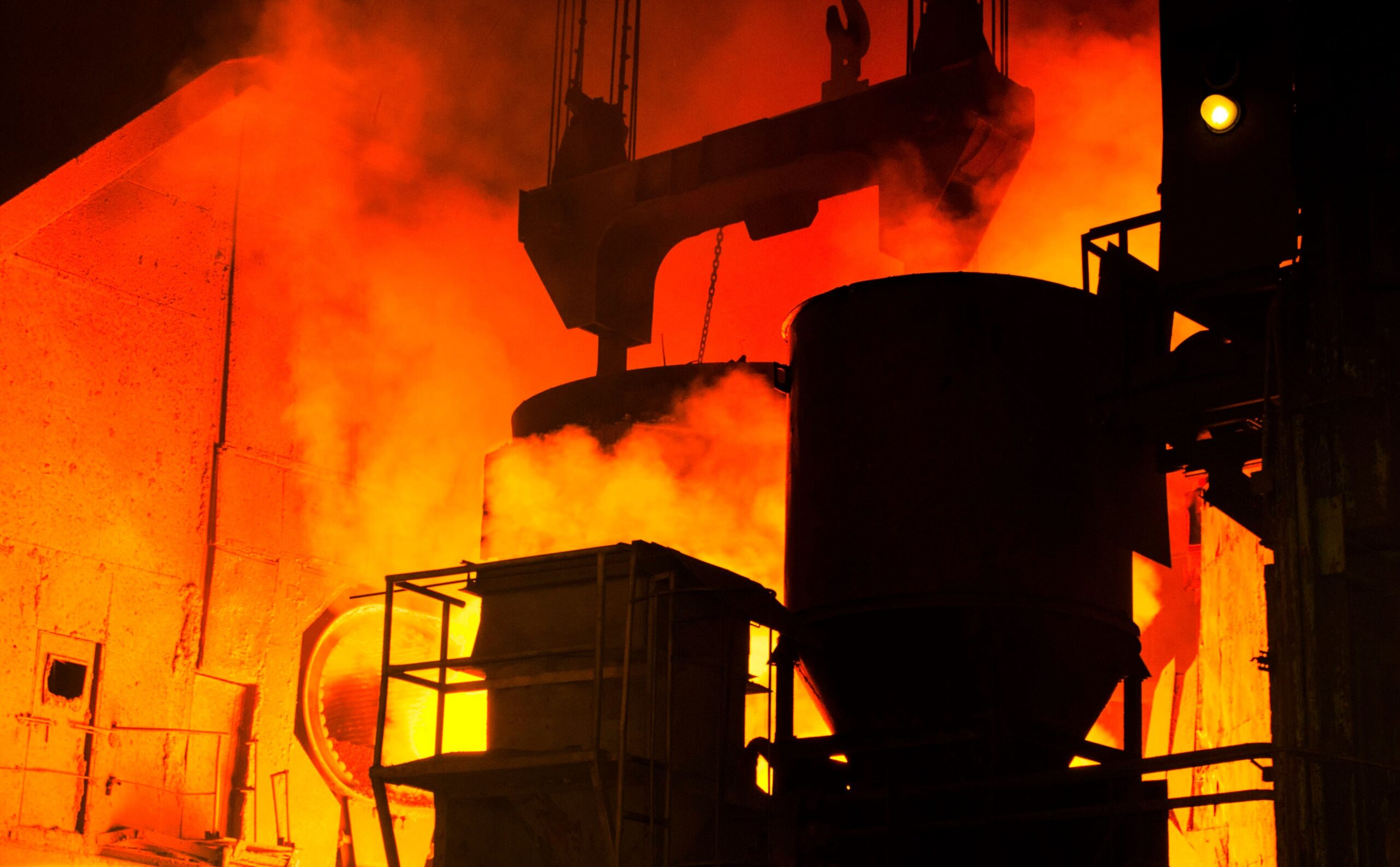
The electric arc furnace will instead use electrical energy to melt a combination of metallic materials. Electrodes establish arcs within the furnace, transferring energy into the charge and developing a bath of molten metal. ArcelorMittal plans to use a mixture of recycled steel, hot briquetted or directly reduced iron, and hot metal, allowing the new furnace to operate alongside existing ironmaking infrastructure.
The metallic charge influences both the energy required during melting and the composition of the resulting steel. Scrap can contain residual elements introduced during its previous manufacture or use. Steel grades requiring tightly controlled chemical properties may therefore benefit from combining scrap with more suitable primary metallic inputs. Directly reduced iron supplies iron that has already undergone reduction, while hot metal arrives in a molten state and brings its own thermal and chemical characteristics.
A furnace capable of producing 300 tonnes per heat introduces substantial electrical demand. As solid material melts, the electrical properties of the charge and the behaviour of the arcs change. Conventional arc furnaces can consequently cause rapid fluctuations in demand, voltage variations, and flicker on the supplying network. Managing these effects is part of the engineering required to connect large electric steelmaking facilities to electricity infrastructure.
Danieli’s Q-ONE technology uses power electronics to regulate electrical delivery to the furnace, providing more direct control over arc current and voltage. Its previous installations are designed to reduce the disturbance associated with changing furnace conditions while controlling power input through the melting cycle. The practical performance at Dunkirk will depend on the furnace configuration and its integration with the electricity network.
The furnace also requires coordinated material handling and emissions control. Charge materials must reach the furnace in the quantities and sequence required by each heat. Fume extraction and filtration equipment must handle gases and particulate emissions produced during melting and subsequent treatment. Automation will connect the operating sequences of these systems with furnace power delivery and the wider steelmaking process.
ArcelorMittal projects carbon intensity of approximately 0.6 tonnes of CO2 per tonne of steel under its intended operating and feedstock arrangements, roughly one-third of the blast furnace route’s emissions. That figure is a projected outcome, not a measurement from the future furnace. The source of electricity, composition of the charge, and emissions associated with producing metallic inputs all affect the environmental performance of electric steelmaking.
Dunkirk’s current site capacity is substantially larger than the new furnace’s two-million-tonne annual output. The company plans to move from two blast furnaces to one blast furnace and one electric arc furnace, with the relevant blast furnace to be idled after the new equipment reaches full production. This transition requires coordination between commissioning, continuing steel production, and the downstream operations that depend on molten steel supplies.
The economics of the conversion will depend on electricity costs, metallic feedstock prices, equipment availability, and the market for the resulting steel. Securing a long-term electricity agreement addresses one part of the operating cost structure, while the planned equipment package establishes the principal technology for converting electricity and metallic feedstocks into steel.
The project now progresses towards installation and commissioning of the new steel shop. ArcelorMittal expects the first electric arc furnace heat in 2029, followed by a production ramp-up, with the timing of the blast furnace transition linked to the performance of the new facility.