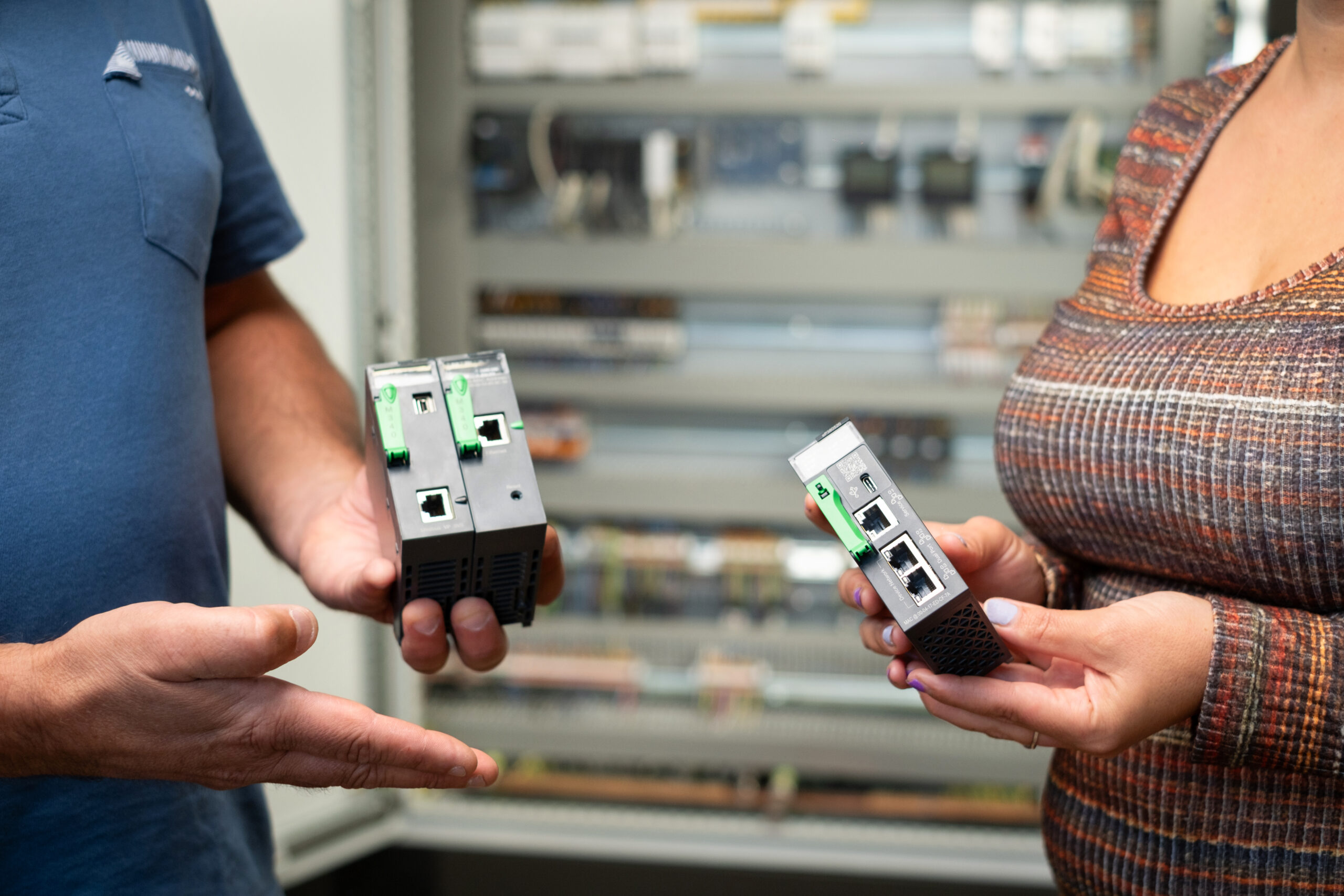
Vertical Aerospace has completed construction of its new 30,000 sq ft Powertrain Centre in Bristol, expanding the facilities available for battery development, propulsion integration and the production of systems intended for its certification aircraft.
The building is located beside Vertical’s existing Energy Centre and is expected to triple battery production capacity over time. Construction completion is followed by equipment installation and further engineering activity, with operations scheduled to increase from 2027 rather than begin immediately at full capacity.
The additional space will support the development of both the all-electric Valo aircraft and the company’s hybrid-electric programme. Vertical designs and produces its battery and powertrain systems internally while working with external aerospace suppliers on other major aircraft components.
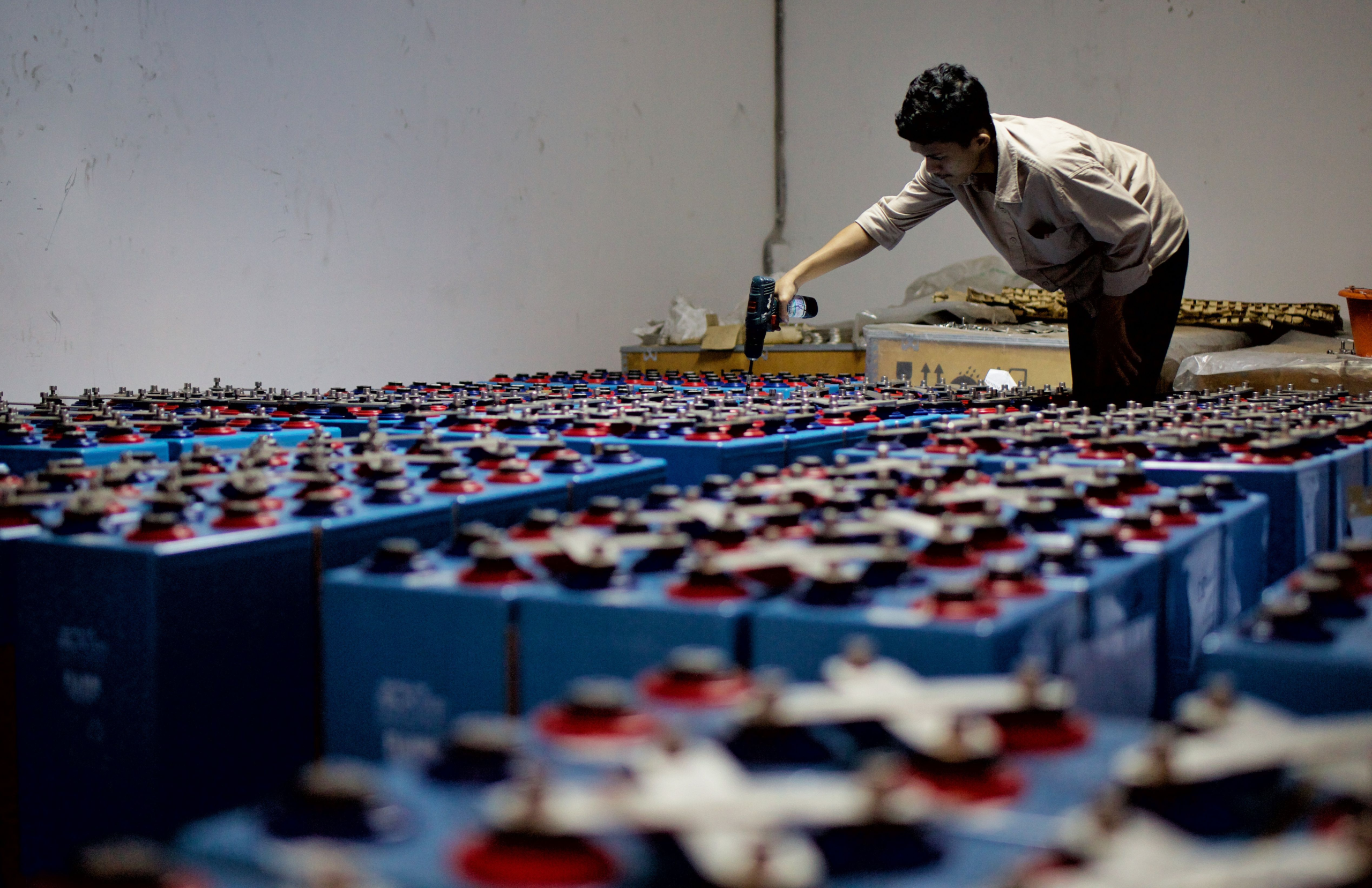
The existing Vertical Energy Centre covers approximately 15,000 sq ft and opened in 2023. It has supported the design, testing and production of batteries used in the company’s piloted flight tests since 2024. The new facility expands the available engineering and manufacturing space next to that established operation.
Vertical produced its first all-electric Valo battery on an upgraded assembly line at the Energy Centre earlier in 2026. It has also begun testing its next-generation hybrid-electric propulsion system using a dedicated evaluation rig at its Flight Test Centre at Cotswold Airport.
These activities illustrate the different stages involved in developing an electric aircraft powertrain. Battery packs, power electronics, motors and propulsion equipment must first demonstrate their individual performance before the complete arrangement can be assessed as an integrated system.
Aircraft batteries operate under demanding power and weight constraints. Electric vertical take-off and landing aircraft require substantial electrical power during particular phases of flight, while the battery system must remain within specified limits for voltage, current and temperature.
The relationship between energy capacity and power delivery is particularly important. A battery may contain sufficient stored energy for a planned mission but still need to demonstrate that it can deliver the required power without exceeding its electrical or thermal operating limits. Cell selection, packaging and battery management therefore influence the design of the complete aircraft.
Thermal management is a separate engineering requirement. Batteries generate heat during operation, and the amount produced varies with current, cell characteristics and operating conditions. Cooling arrangements must manage the resulting temperature changes while limiting unnecessary mass and maintaining appropriate performance across the battery system.
Power electronics and propulsion equipment also affect the operating conditions of the battery. The complete powertrain must control the transfer of electrical energy to the propulsion system, respond to commands and maintain suitable behaviour when operating conditions change. Testing individual components cannot establish every interaction that will arise when these systems operate together.
Integrated development facilities allow engineers to investigate those interactions before equipment is installed in an aircraft. Test rigs can be used to evaluate operating sequences, examine faults and assess whether components behave as intended when connected to the other systems they will encounter in service.
The company’s hybrid-electric programme introduces further integration requirements because electrical propulsion must operate alongside an additional energy source. The specific control architecture and operating modes determine how power is supplied, managed and transferred during different phases of operation.
The Bristol development also expands manufacturing capacity for battery systems. Producing a prototype pack differs from manufacturing successive units to a repeatable specification, particularly where individual components must be inspected, assembled, electrically connected and tested under controlled conditions.
Battery production requires traceability across cells, modules and completed assemblies. Manufacturing records must establish which components have been used, how the pack was assembled and whether the relevant inspection and testing requirements were satisfied. Those records are important when equipment is intended for certification and eventual aircraft operation.
Increasing production capacity requires suitable machinery and trained personnel, but the effective output of a facility also depends on process qualification, component supply, inspection capacity and the time needed to complete testing. Vertical’s expectation of tripling battery production is therefore a future capability target rather than evidence that current output has already increased by that amount.
The company expects replacement batteries to form part of its longer-term commercial operations. It estimates that an aircraft could require approximately 20 battery packs over its operating life, creating potential demand beyond the battery supplied with the original aircraft. Actual replacement requirements will depend on aircraft utilisation, battery performance, maintenance arrangements and the conditions under which future services operate.
Vertical also intends to develop battery recycling, reuse and remanufacturing activities at the new centre. Potential applications include replacement aircraft equipment and uses outside aviation, including high-power charging and other mobility systems. No commercial recycling throughput or second-life battery production figure has yet been disclosed.
Reuse is not automatically appropriate for every retired battery. A pack removed from aviation service would need to be assessed for its condition, remaining performance and suitability for a different application. The electrical and thermal operating requirements of the receiving equipment would determine whether reuse or further processing was feasible.
The new Powertrain Centre forms part of a wider arrangement separating specialist powertrain development from aircraft assembly. Vertical opened an Aircraft Assembly Centre at Cotswold Airport in September 2026, with the facility intended to support the construction of certification aircraft and initial customer deliveries.
That division allows battery and propulsion systems to be developed and tested in dedicated facilities before being integrated into complete aircraft. It also creates interfaces between manufacturing teams, inspection processes and assembly operations that must be managed as the programme progresses.
Vertical has separately identified plans for a full-scale aircraft manufacturing site and expects to announce its location before the end of 2026. The company has not confirmed that this future facility has been constructed or that commercial aircraft production has begun.
The Bristol construction milestone does not establish regulatory approval for Valo. Aircraft certification requires the company to demonstrate conformity with applicable requirements through the relevant testing, engineering and documentation processes. Production arrangements must also support the manufacture of aircraft and components meeting approved specifications.
With the building complete, Vertical’s immediate programme concerns equipment installation, integrated powertrain work and preparation for manufacturing operations. The planned increase in activity from 2027 will provide the next evidence of how the expanded Bristol facilities support certification aircraft and early production.