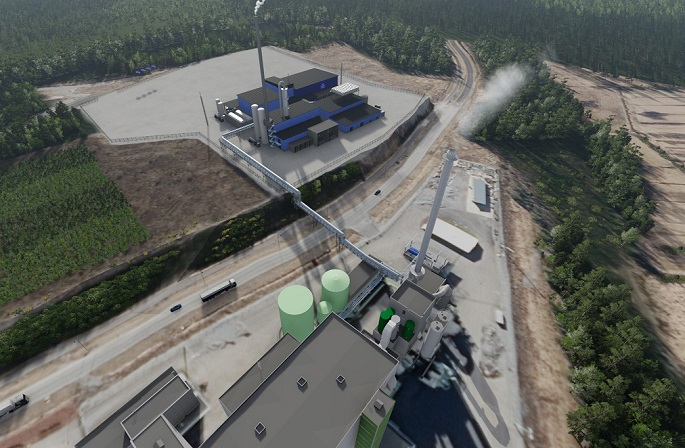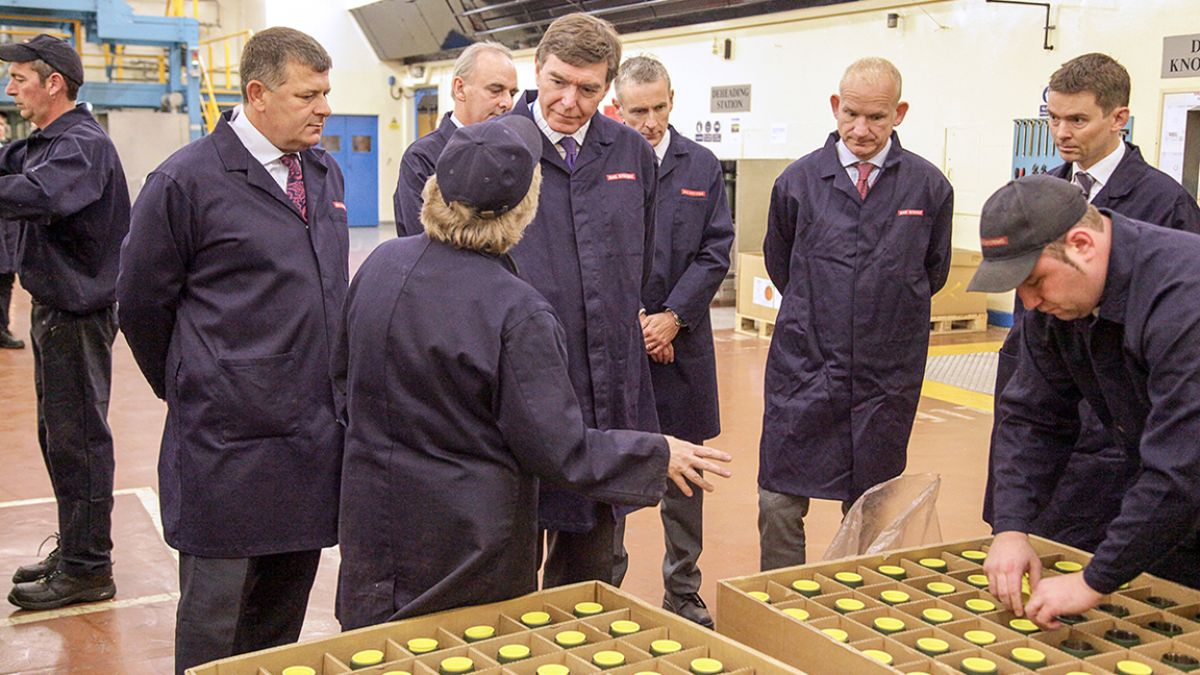
BAE Systems has opened an automated explosives filling facility at Glascoed in South Wales, marking a new stage in its programme to expand British production of 155mm artillery ammunition. The melt-cast installation forms part of a £180 million investment in the company’s munitions operations and is intended to support a sixteen-fold increase in shell production capacity. The opening establishes an additional production capability, although the target increase describes planned capacity rather than verified output already achieved.
Glascoed performs a specialised part of the ammunition manufacturing chain. Empty artillery shell bodies must be produced to the required geometry and tolerances before the explosive filling operation. In the melt-cast process, an explosive formulation is heated into a pourable state, introduced into the shell body and cooled under controlled conditions before the ammunition proceeds to later assembly stages. The operation requires careful control of materials, temperature, handling and process safety as well as consistency of the finished filling.
BAE describes Glascoed as the UK’s first fully automated large-calibre ammunition filling facility. Robotic systems and automated guided vehicles are intended to move materials through the melt-cast operation with less routine manual handling in hazardous areas. The company has not published detailed equipment specifications or a validated hourly output rate for the new line. Automation can make handling steps more repeatable, but protective systems, maintenance procedures and process validation will determine how consistently the plant can operate over longer production periods.
The Glascoed investment sits within a distributed manufacturing chain rather than a standalone factory producing every part of a finished round. BAE’s UK ammunition operations also include sites in Washington, Tyne and Wear, and Radway Green, Cheshire. Its wider programme has included development of additional 155mm shell production capacity at Washington. Higher output from the filling stage is useful only when the supply of shell bodies, explosives, fuzes and other necessary components can sustain the same flow through the system.
The sixteen-fold figure is a capacity objective tied to the company’s overall investment programme, not a production rate in rounds per day. BAE has not disclosed a before and after hourly throughput figure for the new line. Actual delivery volumes will depend on how rapidly the new installation reaches stable operation, the availability of upstream materials and the performance of subsequent assembly, inspection and acceptance processes. An opened facility and an achieved full-rate production capability are distinct manufacturing milestones.
BAE said earlier in 2026 that a design change made during construction to double the facility’s planned capacity had delayed the programme, with testing then under way. The opening on 20 November is a further milestone, but BAE says production will begin at scale only after an initial period of live trials. Those trials must establish whether the automated handling and filling sequence can operate reliably under production conditions before the headline capacity objective can be translated into routine output.
Explosive filling is particularly sensitive to repeatability because deviations can affect both manufacturing safety and ammunition performance. Automated systems can support more consistent handling and traceability, but acceptance still depends on meeting the product specification and controlled inspection procedures. The public information does not establish particular sensor designs, software platforms or measured reductions in defects at Glascoed, so no such performance result can yet be attributed to the site.
BAE is a major supplier of ammunition to the UK Ministry of Defence under a long-term partnership that includes artillery and smaller-calibre products. Investment in domestic capacity has become a priority as armed forces seek greater assurance of supply and the ability to increase manufacturing volumes in response to changing requirements. Increased filling capability addresses one part of that demand, while production resilience also depends on the suppliers of energetic materials, metal components, machinery and specialist maintenance services.
Separately, the Ministry of Defence has opened a competition for new explosives and propellants manufacturing facilities. That scheme does not constitute an award to Glascoed: it targets the upstream production of energetic materials, whereas the BAE investment is intended to raise capacity for incorporating those materials into artillery shells. The distinction is important because filling line capacity cannot compensate for a shortage of qualified explosive feedstocks, shell bodies or other components supplied to the ammunition chain.
The automation investment also affects how production capacity is managed. A highly mechanised line requires engineering support to keep transport equipment, production machinery, utilities and protective systems available. Scheduled maintenance, controlled shutdowns and process changes must be planned against the requirements of hazardous manufacturing. Capacity measured at a single station does not directly translate into complete rounds delivered if another process becomes the constraint.
Andrea Thompson, group managing director of Digital Intelligence and Land at BAE Systems, said the facility would strengthen manufacturing capacity and resilience of supply. The company has not announced an achieved full-rate output figure for the new melt-cast line. The next evidence of increased capacity will come from the live trials and subsequent production ramp-up, when the filling process must demonstrate sustained performance alongside shell manufacture, inspection, assembly and acceptance.