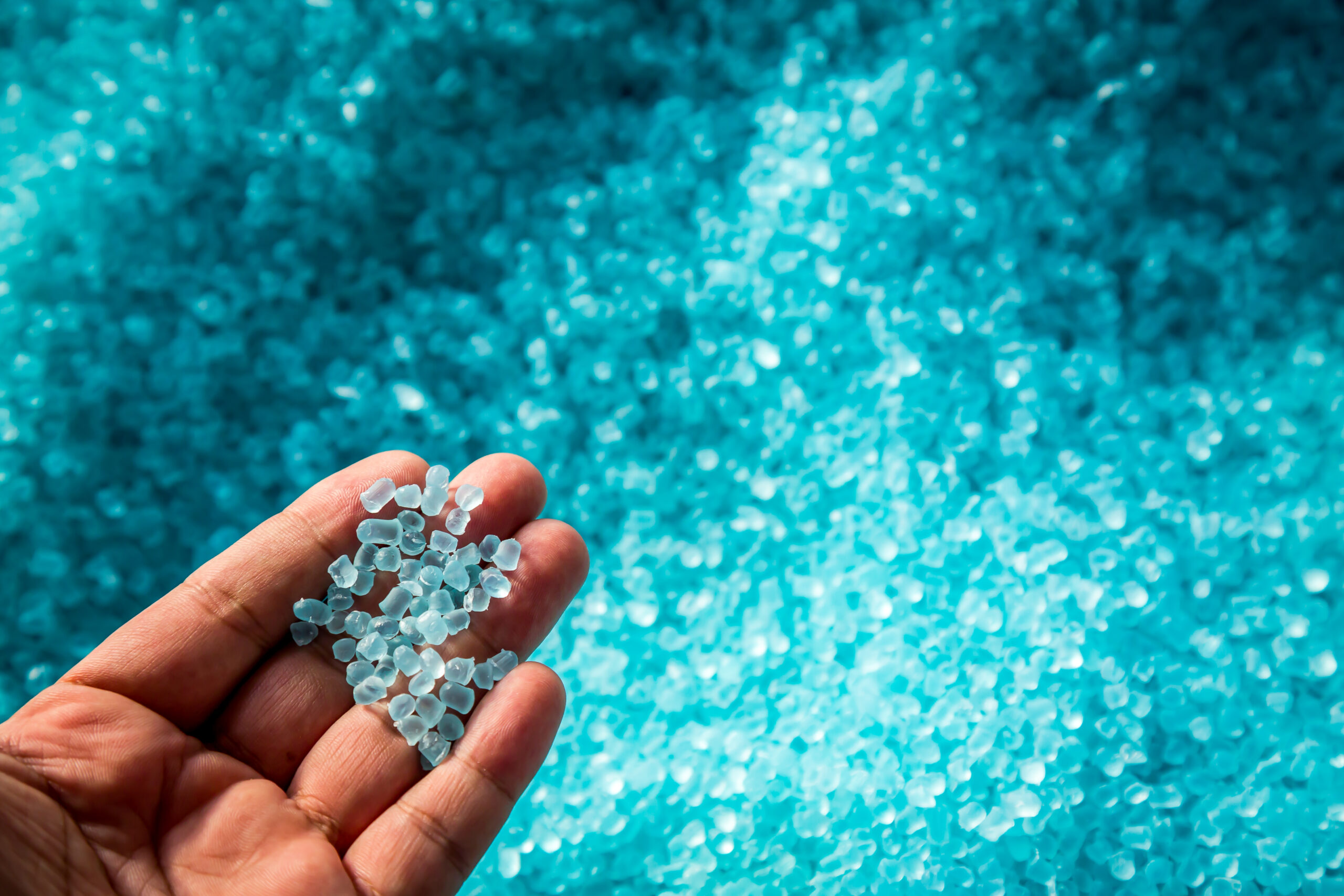
Borouge International has inaugurated a high melt strength polypropylene manufacturing facility at Burghausen in Germany, completing an investment of more than €100m that has tripled production capability for the specialist material at the site.
The facility was officially opened on 17 November 2026, with the company confirming the development the following day.
Its output will support manufacturers producing lightweight polypropylene foams for packaging, automotive components and other industrial applications where controlled expansion and mechanical performance are important.
The investment expands production of Borouge International’s Daploy high melt strength polypropylene, developed using technology from the group’s innovation centre in Linz, Austria.
The company has not disclosed the new facility’s absolute annual production capacity. The confirmed comparison is a threefold increase in capability at Burghausen following the investment.
High melt strength polypropylene is engineered to behave differently from conventional polymer grades during processing, particularly when molten material is subjected to stretching.
This characteristic is important in foam manufacturing, where gas is introduced or generated within the polymer to create a cellular structure.
As the material expands, the walls separating individual cells must retain sufficient integrity to prevent uncontrolled rupture or collapse.
The ability of the polymer melt to withstand deformation affects the structure that can be achieved during processing.
If the material has inadequate melt strength for a particular foaming operation, cells may rupture or merge excessively, producing inconsistent density or properties in the finished article.
The behaviour also depends on temperature, pressure, gas concentration, cooling and the equipment used by the converter.
High melt strength polypropylene can provide a more suitable processing range for foam products requiring a controlled cellular structure.
The resulting material may combine reduced density with mechanical properties appropriate to packaging or component manufacture, although the requirements differ between applications.
A protective packaging element must manage loads transmitted to the product during handling and transport. A lightweight automotive component may instead be designed around stiffness, impact performance, dimensional stability or other operating conditions.
The properties of the finished article depend on the complete formulation and process, not solely on the polypropylene grade supplied by Borouge.
Daploy materials are designed to support processors undertaking these operations, with the German facility supplying the specialist polymer rather than manufacturing every final foam component.
For customers, consistent feedstock properties are important because a continuous converting process relies on predictable behaviour as material passes through the equipment.
Variation in melt characteristics can influence extrusion stability, expansion and the dimensions achieved in the finished product.
Manufacturing specialist polypropylene grades therefore requires control over polymer properties and the processes used to prepare and finish the material.
The underlying polymer is produced through the combination of propylene molecules into longer chains. Changes in the resulting molecular structure and material formulation can influence flow and mechanical behaviour during processing.
The precise production technology and formulation used for Daploy remain proprietary.
The Burghausen investment increases the group’s ability to supply the material to customers across Europe. It does not establish the production rate that will be achieved in the first months following inauguration.
Actual output will depend on equipment utilisation, operating conditions and customer demand.
The company has linked the investment to demand for packaging structures designed to be recyclable.
Polypropylene is a thermoplastic material that can be processed through suitable recycling systems, but the recyclability of a completed product depends on its design and the infrastructure available for collection, sorting and treatment.
Packaging that combines different materials, adhesives or coatings may present different recovery requirements from a product manufactured predominantly from one compatible polymer.
A recyclable material therefore provides an opportunity for material recovery, rather than guaranteeing that every finished article will be recycled after use.
Manufacturers must also consider the durability, performance and quantity of material required for the product’s intended application.
Foam structures can reduce mass by incorporating cells into the polymer, although they must retain adequate strength and protective properties.
A lower product weight may reduce the quantity of resin needed for a given design, but the relationship depends on geometry, density and functional requirements.
The European Union’s Packaging and Packaging Waste Regulation creates additional requirements affecting packaging design and material recovery.
Borouge positions its specialist polypropylene grades as materials capable of supporting products developed for those requirements.
Compliance remains dependent on the completed packaging and the applicable provisions, not simply on the use of one polymer grade.
The inauguration also contributes to Borouge International’s wider European manufacturing network.
The group was formed in 2026 through the combination of Borouge Plc, Borealis and NOVA Chemicals, bringing together polymer production and technology capabilities across several markets.
Its shareholders include XRG, ADNOC’s international investment arm, and OMV.
Burghausen is part of an established German chemicals manufacturing region, with facilities and supporting infrastructure associated with industrial polymer production.
The availability of process utilities, materials handling and logistics services can influence the operation of specialised manufacturing facilities, although the company has not published site-specific efficiency gains attributable to the new investment.
Borouge is also progressing other chemicals projects in Europe. These include an additional polypropylene development associated with its Borstar Nextension technology at Burghausen.
That separate project began construction in September 2026 and must be distinguished from the completed high melt strength facility inaugurated in November.
The wider programme also includes a propane dehydrogenation plant at Kallo in Belgium, where mechanical completion has been reported but commercial production has not yet begun.
The projects address different stages and technologies within the petrochemicals supply chain.
The completed Burghausen investment adds specialist polymer production capability now, while the outcome of other developments depends on their respective commissioning and construction schedules.
Borouge has not released a site-specific employment figure, sales forecast or timetable for reaching full utilisation of the expanded high melt strength polypropylene capacity.
The facility’s inauguration establishes a completed investment exceeding €100m and a substantial increase in the company’s ability to manufacture Daploy grades for European industrial customers.