The European Commission has cleared €57.6m of German state aid for two proposed manufacturing facilities serving the semiconductor supply chain. The larger grant supports precision machinery for separating processed wafers in Bochum; the second supports chemicals used in semiconductor production in Marburg. Neither project is a complete chip fabrication plant.
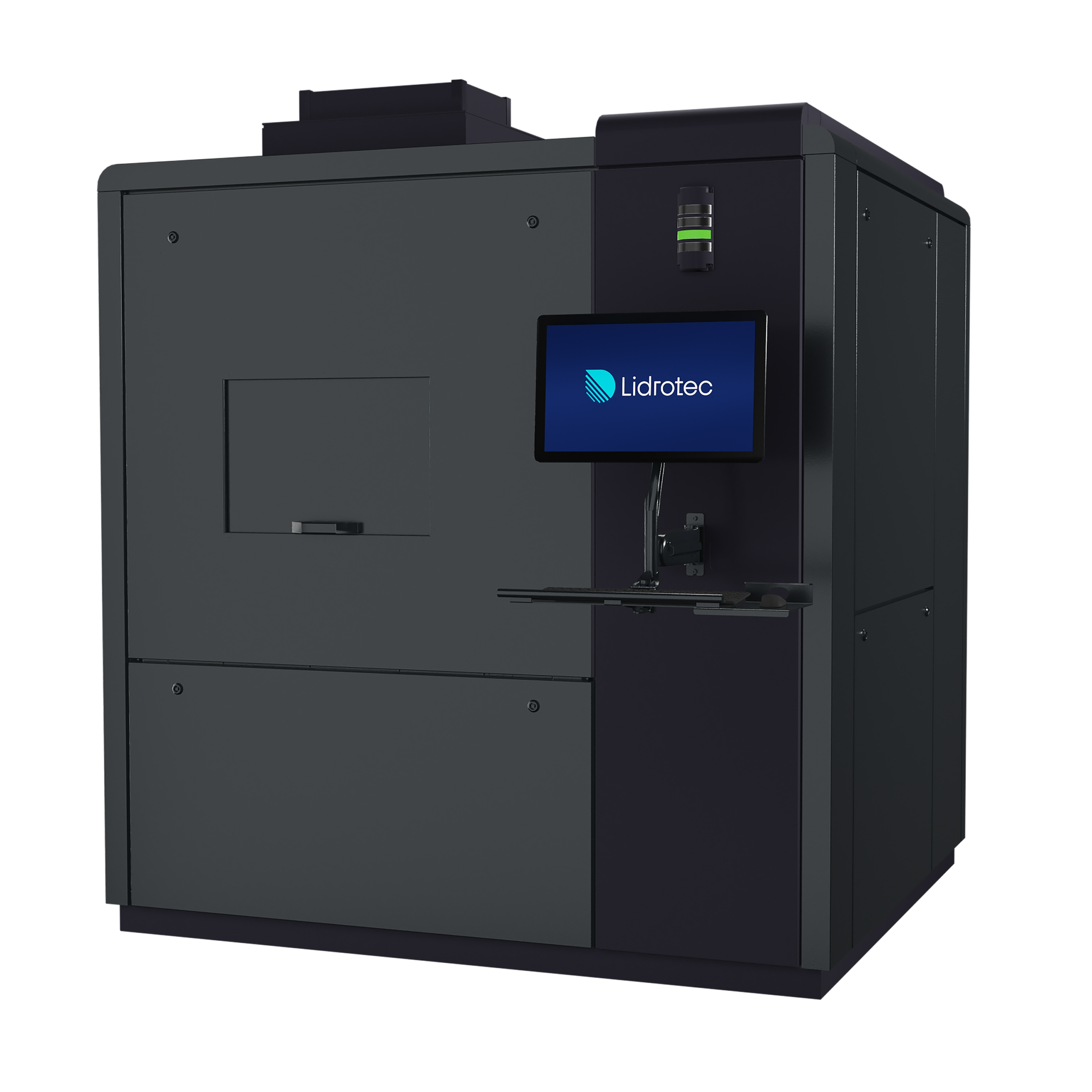
The larger measure, worth €43.5m, will support Lidrotec GmbH’s proposed facility in Bochum to manufacture laser-based machines used for dicing semiconductor wafers. Dockweiler GmbH is covered by a separate €14.1m measure for a production plant making critical chemical precursors for semiconductor manufacturing in Marburg. Both are planned manufacturing facilities; their completion or operational output has not been established by the approval decision.
Both measures are structured as direct grants, authorised following an assessment under EU state aid rules. Clearance allows Germany to support the projects subject to the approved conditions. It does not establish that the money has been disbursed, that construction is finished or that products are already being delivered to semiconductor manufacturers.
Wafer dicing takes place after integrated circuits have been fabricated on a semiconductor wafer. Individual devices must be separated from the larger substrate so they can proceed through assembly, packaging and test. The process is mechanically demanding because cuts must be controlled near valuable structures while limiting damage, contamination and material loss. Lidrotec’s project concerns laser-based machinery for this stage, not wafer fabrication equipment covering all front-end chip processes.
Production machinery occupies a different part of the semiconductor value chain from the devices manufactured using it. The new Bochum facility is intended to manufacture laser dicing equipment, which customers would need to qualify against their wafer materials, product geometries and yield requirements. The approval contains no production forecast for the proposed factory, no commissioning date and no named semiconductor customers.
Dockweiler’s facility occupies a different position in the production chain. Precursor chemicals are used in semiconductor manufacturing processes in which controlled reactions create, modify or deposit material layers. Their effectiveness depends on composition and purity, with unwanted contaminants potentially affecting the electrical properties and yield of devices made from processed wafers. Manufacturing and handling these materials therefore require tight process control, traceability and quality systems.
The two investments address different dependencies: the supply of production machinery and the availability of specialised materials. A disruption in either can constrain output even when a chipmaker has cleanroom space and expensive fabrication equipment installed. The Commission considers the projects capable of improving supply resilience, although the approvals do not quantify a reduction in import dependence or specify the customers that will purchase the resulting equipment and materials.
The Commission assessed the measures under Article 107(3)(c) of the Treaty on the Functioning of the European Union, which permits certain forms of state aid when the applicable conditions on economic development and competition are met. The European Chips Act forms part of the policy setting for the decisions. The authorities’ approval of public support should be distinguished from any subsequent procurement contract or funding drawdown undertaken by Lidrotec or Dockweiler.
Support for production inputs broadens the scope of semiconductor industrial policy beyond headline announcements about new wafer fabrication plants. Semiconductor manufacturing is an interconnected system involving process chemicals, precision machinery, substrates, design tools, packaging materials and test capacity. Manufacturing interruptions elsewhere in the chain can leave capacity unused or delay the introduction of a new process even where financial commitments to a fab are already in place.
The German decisions sit alongside a wider sequence of semiconductor investments supported across Europe. On 17 November, the Commission described more than 20 investments associated with over €33bn of cumulative public and private investment. The €33bn total covers projects over time: it is not a new allocation for Bochum and Marburg, nor a measure of the two facilities’ projected annual production.
Both suppliers face substantial industrialisation steps before the proposed capacity can be used. A laser equipment manufacturer must assemble, calibrate and validate precision systems before customers integrate them into a production line. A chemicals supplier must demonstrate purity, repeatability, safe handling and reliable delivery under semiconductor-grade quality requirements. The aid decisions disclose neither plant commissioning dates nor contracts that would establish when these checks might be completed.
The immediate milestone is therefore permission for Germany to advance €43.5m of support for Lidrotec and €14.1m for Dockweiler. Site development, equipment installation and customer qualification remain to follow; the approvals do not by themselves add operational output to Europe’s semiconductor supply chain.