Brandauer has reached £10m in annual revenue for the first time, following new international contracts for precision metal components and production tooling. The Birmingham manufacturer reported the milestone just over a year after a management buyout that placed its growth strategy under the control of the existing leadership team.
The company has secured long-term component orders involving two automotive customers as well as a significant tooling project for an electrical connector automation line during the past six months. The work extends Brandauer’s established activities in high-precision presswork and tooling, where engineering a repeatable process is as important as producing the component itself.
Brandauer designs and manufactures tooling and small metal components used in sectors including automotive, electronics, medical devices and electrification. Its products are often made in high volumes, so apparently minor changes to a tool, feed arrangement or forming sequence can affect dimensional consistency, scrap, production speed and how reliably a customer can assemble the finished component.
The company’s growth strategy includes developing greater involvement earlier in customers’ engineering programmes. Instead of receiving an established drawing and producing parts to specification, it is seeking work covering design for manufacture, prototype development, tooling, process trials and subsequent volume production. That approach can help address manufacturability problems before machinery and tooling are committed to a production programme.
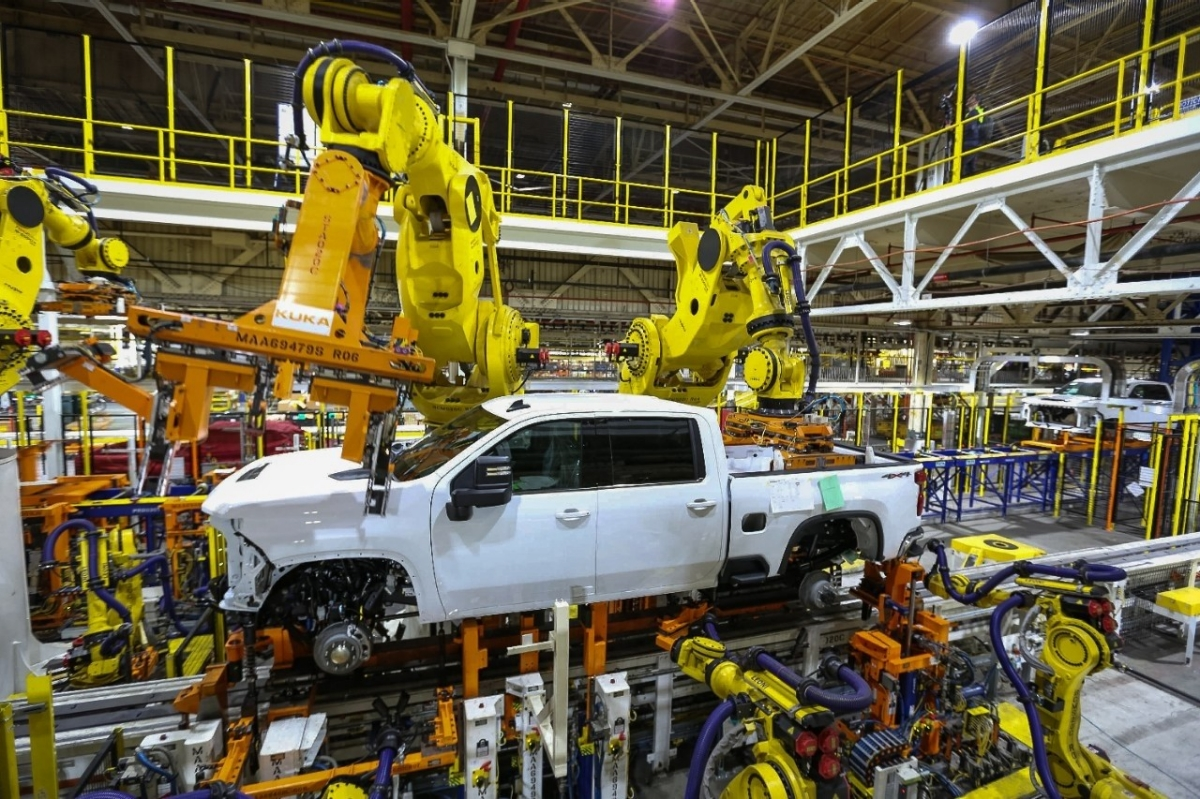
In progressive stamping, metal strip advances through a press tool containing stations that punch, bend or form successive features before a finished component is separated. Feed accuracy, die alignment, material properties and tool wear determine whether dimensions can be maintained across repeated cycles. A prototype can meet specification while a production tool still requires further adjustment to hold the same tolerances over a longer run.
Electrical connector components introduce particular manufacturing demands because the parts must combine precise geometry with mechanical and electrical functionality. Connector production tooling can require controlled contact features, consistent forming and reliable integration with downstream automation. The electrical connector tooling contract extends the engineering work into a customer’s automated production process, rather than being limited to the supply of finished stamped components.
Automotive electrification has also created demand for metal components and tooling associated with electrical connections and motor systems. Earlier in 2026, Brandauer disclosed work with Ford Motor Company and an Eastern European automotive tier-one supplier. Those contracts form part of the wider commercial context, although the company has not said that every agreement reported in November relates to the same customers.
The company completed its management buyout in September 2025, with chief executive Rowan Crozier, manufacturing director Stuart Berry and non-executive director David Chapman taking ownership. At the time it outlined a plan to build annual sales towards £12m by 2029, supported by investment in manufacturing capabilities and a greater share of technically demanding engineering projects.
Previous investment has included more than £5m in its Birmingham precision engineering operation, while further automation and machining development was also outlined after the buyout. The £10m revenue milestone was not accompanied by a new capital spending total, and Brandauer has not confirmed that every previously planned machinery upgrade is complete.
Brandauer has added commercial representation in the US and technical support in Europe to develop work with overseas manufacturers. Having people available closer to customers can shorten initial design discussions, but complex tooling still requires coordinated engineering between customers’ production teams and the company’s Birmingham operation.
Brandauer has previously reported that the great majority of its production is exported. That makes demand from international automotive and electrical manufacturers an important influence on production planning, while also exposing the company to changes in overseas procurement, delivery schedules and investment decisions. Multi-year component contracts can provide a stronger planning basis than a sequence of one-off orders, although their value depends on the contracted volumes and programme schedules.
Nearly a quarter of Brandauer’s workforce has come through its apprenticeship programme, according to finance director Harry Chapman, who joined in July. The company plans to increase that proportion as its operations expand. Toolmaking and press engineering require accumulated process knowledge, so training and retention sit alongside equipment investment when a manufacturer seeks to increase complex, repeatable work.
The £10m milestone is a reported trading result rather than the value of future orders. Brandauer continues to target annual sales of £12m by 2029, with the timing of automotive programmes, available tooling capacity and recruitment affecting how quickly that earlier goal can be reached.