Uniper is preparing existing and former power generation sites across Europe for possible data centre developments, with around 700MW of grid capacity secured for projects at an advanced stage. The German energy group is offering developers industrial land, electricity connections and potentially power supply from its generation portfolio. The secured capacity does not represent 700MW of data centres already built or commissioned, and Uniper has not disclosed final contracts or construction dates for those projects.
The strategy draws on locations originally developed for generation and other energy activities. Uniper has identified opportunities in the UK, Germany, Sweden and the Netherlands, with further sites providing prospective grid connection potential on a gigawatt scale. Such properties may offer available land and established electrical infrastructure, although their suitability for a computing installation still needs to be demonstrated. The 700MW figure is attached to advanced developments, whereas the wider potential is an estimate of what sites might support.
At its 16 November capital markets day, Uniper described two commercial routes. It could sell or lease a suitable site to a data centre developer with its associated grid arrangements, or supply electricity and capacity from existing or newly built generation equipment. In some cases these approaches could be combined, including a private-wire supply. Neither option confirms that a named developer has secured consent, financing or an operational electricity service at any particular location.
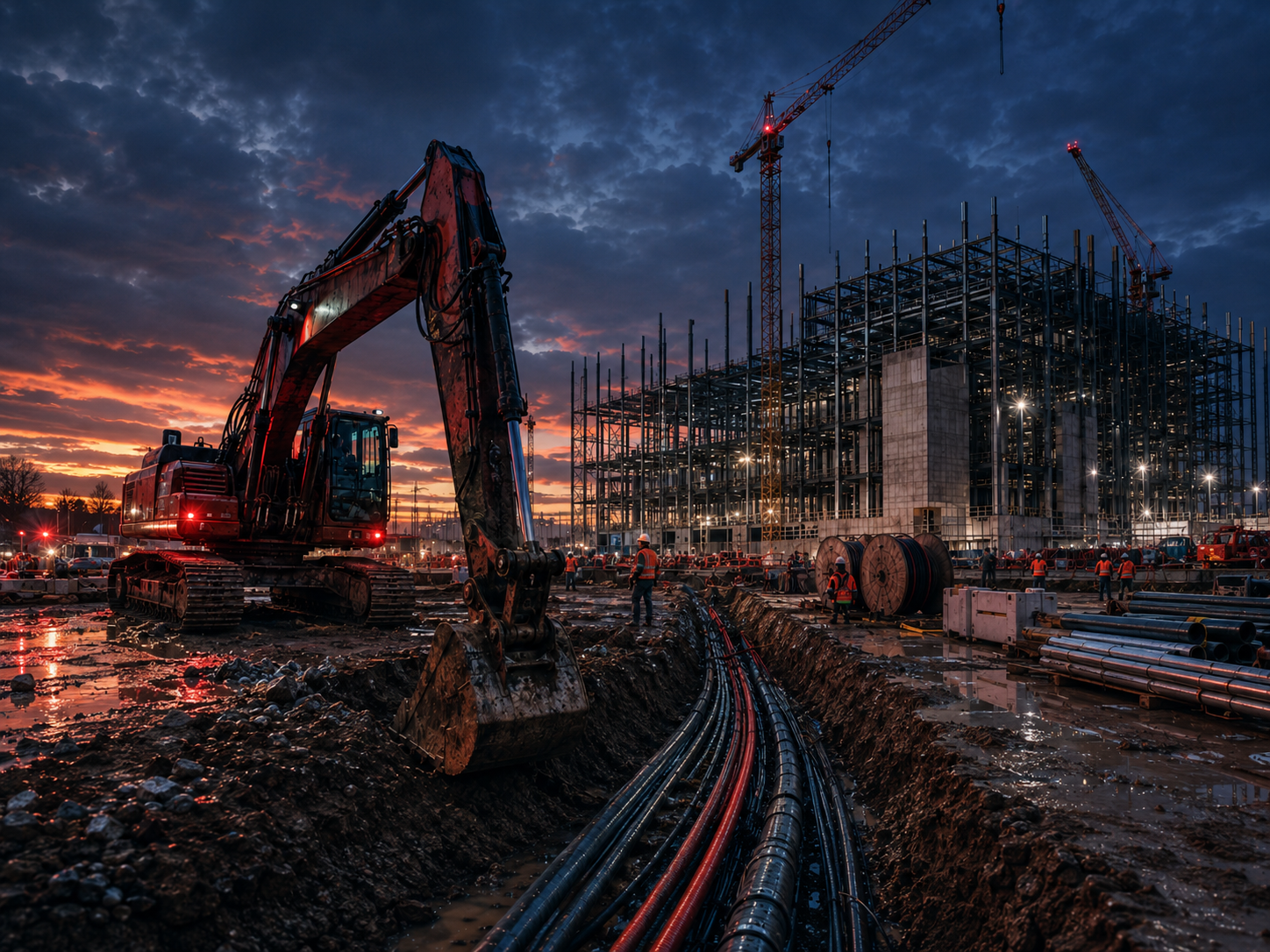
Former power stations may have high-voltage connections, substations, access roads and industrial planning history, which can make them attractive compared with undeveloped land. Reuse still requires a detailed engineering assessment. Equipment designed around generation export may have to be altered for sustained consumption, and the permissible import capacity must be established with the network operator. Existing switchgear, protection, metering, earthing and fault-level arrangements will need to meet the requirements of the new electrical installation.
Data centres also have different operating demands from generation plants. Computing equipment needs reliable electrical supply, cooling and resilience across multiple distribution stages. Developers must determine the critical load, account for supporting cooling and auxiliary systems, and plan how the installation responds to network disturbances or loss of supply. Grid capacity is a starting point for those calculations, not a substitute for a finished design of transformers, backup systems and internal distribution.
Uniper has described a bridge-to-grid proposition using generation assets to support a development while permanent network access is being established. The approach may help sequence a project, but it would require specific arrangements for generation availability, fuel, emissions permits and electrical protections. The degree of resilience achievable would depend on the installation and its contractual service requirements. Uniper has not identified operational bridge-to-grid systems at the advanced projects in its latest update.
The proposed site programme includes locations in the UK, where access to electricity networks has become a central constraint on data centre development. The company has indicated that larger UK opportunities are being examined at different stages, but it has not named the sites or provided individual commissioning timetables in its 16 November statement. Any proposal will still have to address planning permission, site remediation, construction logistics, local infrastructure and the physical capacity of its electrical connection.
According to the Financial Times, Uniper is nearing a first agreement to sell or lease a former power station site for data centre use and is negotiating other locations. That is reporting about commercial talks rather than a signed transaction. The developer names, precise sites and deal values have not been disclosed. Uniper’s own published figures establish the 700MW grid position and the wider redevelopment strategy, not completed data centre property deals.
Uniper has outlined around €6bn of growth capital expenditure across its wider energy business through the early 2030s. The programme covers flexible generation, asset conversions and other projects, with a substantial allocation also envisaged for renewables and hydropower. It would be inaccurate to assign the whole €6bn to data centres. The investment needed for an individual redevelopment will depend on the chosen ownership structure, electrical works, site condition and the responsibilities accepted by the developer and power supplier.
For Uniper, the commercial value of an industrial site is increasingly shaped by more than its original generating assets. Land with a viable import connection, scope for private-wire supply and sufficient space for cooling and electrical equipment may support a new operating use. Developers will still need firm capacity rights, a buildable scheme and power arrangements acceptable to their customers before construction can begin.
Uniper has not yet identified an operating date or confirmed IT capacity for the advanced projects. Site agreements, planning decisions and completed electrical works will determine how much of the secured 700MW can eventually support functioning data centres.