2G Energy recorded €406.5m in new plant orders in the third quarter of 2026, up from €59.3m a year earlier. The German manufacturer said the rise was driven largely by contracts for data centre power generation, while domestic demand strengthened for combined heat and power (CHP) systems serving biogas plants. The figures are order intake recorded under the company’s contract recognition policy, not revenue earned in the quarter or capacity already operating at customers’ sites.
Order intake rose 585% year on year in the quarter. Across the first nine months, new plant orders reached €885.9m, up from €170m in the comparable 2025 period, an increase of 421%. The geographical breakdown illustrates the extent of the change: North and Central America accounted for €630.8m of the nine-month total, compared with €18m a year earlier. Germany contributed €131.9m, while the rest of Europe supplied €59m and Asia, Australia and other markets €64.1m.
A 275MW power plant contract first announced on 23 September entered the order figures once the customer made a sufficiently large contractual down payment. 2G records a new plant order only after receiving the agreed payment. The November update therefore confirms satisfaction of that condition rather than the award of a new 275MW project. The company has not disclosed the amount of the deposit or identified the end customer in its latest statement.
Under 2G’s payment structure, deposits on large projects are generally followed by milestones tied to manufacturing progress. The company says receipts normally cover production costs by the time a plant is delivered, helping it finance material purchasing and assembly during long project lead times. That description applies to its typical contracts; it does not establish the cash position, profitability or exact payment terms of the 275MW order. The distinction is relevant when quarterly order intake rises much faster than delivered equipment.
Shipments have begun under a different US data centre contract, first announced in May, and the initial generating units have arrived at the customer’s construction site. This constitutes a delivery milestone rather than evidence that the engines have been connected, commissioned or brought into service. Site installation and electrical integration remain separate steps after factory dispatch, and 2G did not disclose a commissioning date for those first units.
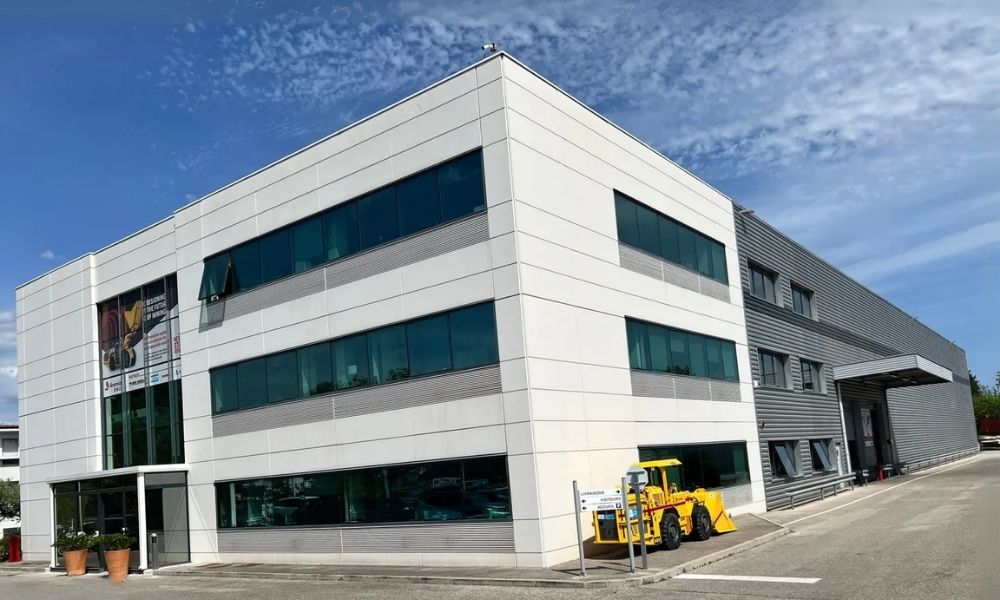
A new assembly hall at 2G has entered service, and the manufacturer says its ramp-up has proceeded smoothly. Chief technology officer Frank Grewe credited workforce and supplier availability with supporting the required production rate. Higher throughput will still depend on components being available in the correct sequence, equipment passing factory tests and finished units moving through transport and site installation without disrupting production schedules. No audited utilisation figure for the new hall accompanied the order update.
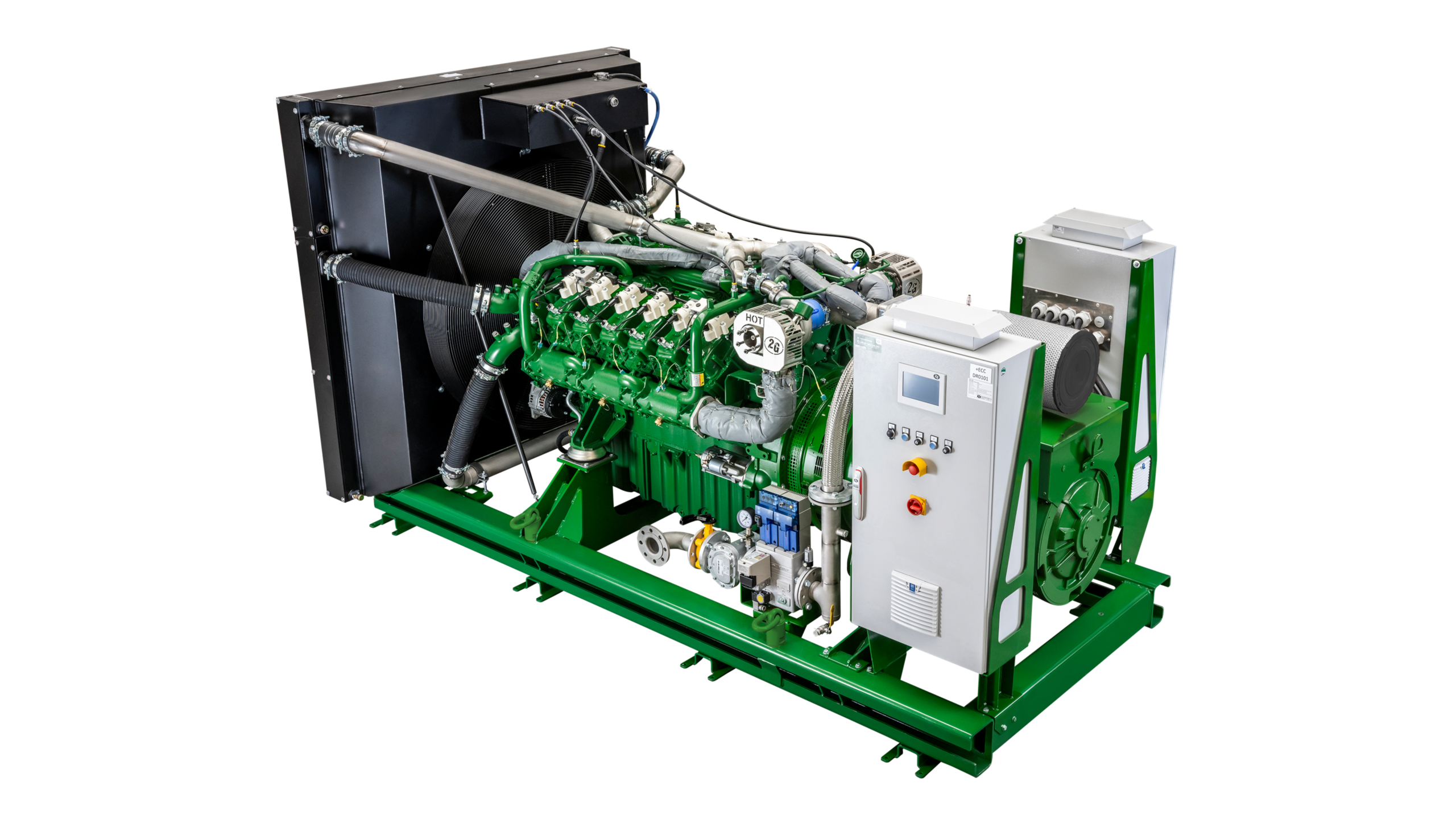
The company’s German operation also recorded stronger orders, with third-quarter intake rising to €60.1m from €40.2m, an increase of 49.5%. A substantial share of that demand is associated with biogas plants seeking greater operating flexibility. Last week, 2G received an order from Backenholzer Hof for eight combined heat and power systems with electrical output of 2MW each, equivalent to a combined nameplate electrical capacity of 16MW. The company has not specified a commissioning date for all eight units.
In a combined heat and power installation, an engine or another prime mover generates electricity while usable heat is recovered from the process. Applied at a biogas facility, the generating units can convert produced gas into electricity and heat, with the operating pattern shaped by gas storage, heat demand, grid arrangements and plant constraints. Additional engine capacity may allow electricity production to be concentrated in particular periods rather than running continuously at a fixed output, but the precise operating strategy for Backenholzer Hof has not been disclosed.
Manufacturing requirements differ across the two expanding segments. Data centre contracts can involve numerous generating sets that must be delivered and integrated with site electrical systems, while biogas CHP equipment combines electrical generation with useful heat recovery and operating schedules shaped by gas production and storage. Both require engines, controls and service support, but their duty cycles and commissioning arrangements need not be identical. 2G has not supplied enough project-level data to compare the operating performance of the installations covered by these orders.
Chief executive Pablo Hofelich said the company considers €1bn in annual new orders and a year-end order backlog above €1bn realistic objectives. Neither figure is a confirmed result for 2026. 2G is scheduled to publish third-quarter revenue and earnings information separately on 23 November, when the financial contribution of factory output can be assessed independently of incoming orders. For the present reporting period, the confirmed operational developments are the new assembly hall, initial US equipment deliveries and additional CHP orders in Germany.