Ceres Power has signed a non-exclusive European manufacturing licence for its Endura solid oxide fuel cell technology, giving an unnamed energy technology company rights to produce the system for Europe, the Middle East and Africa. The privately owned partner intends to establish a dedicated facility targeting approximately 200MW of manufacturing capacity. The agreement adds a European production route to Ceres’ existing international licensing model, although the factory location, construction timetable and commissioning date have not been disclosed.
The privately owned European partner has an option to extend the non-exclusive EMEA licence to global production rights if it exercises that option by 2035. Ceres has withheld the partner’s identity at its request and has not identified a factory site, construction timetable or investment budget. The approximately 200MW figure describes intended manufacturing capacity, rather than an operating facility or an order book already secured by the licensee.
Ceres expects the agreement to generate upfront licence fees, technology transfer income and engineering service revenue, followed by recurring royalties once its partner begins commercial production. It expects to recognise initial licence fees in the 2026 financial year and says the new agreement would bring FY2026 contracted revenue to approximately £60 million. That figure is the company’s contracted revenue measure, not a separately disclosed transaction value or a statement that the entire amount has already been recognised as revenue.
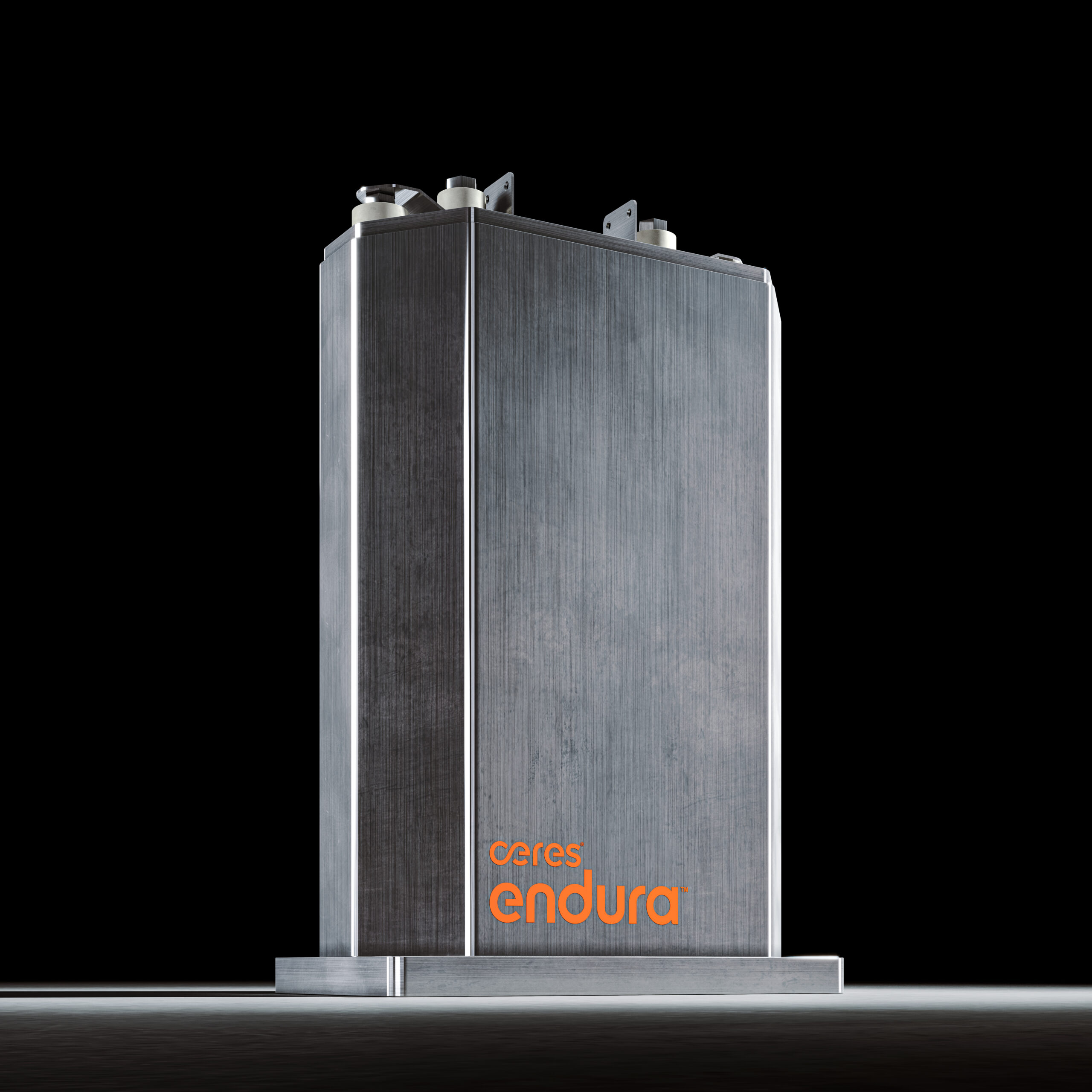
An Endura solid oxide fuel cell generates electricity electrochemically rather than through a conventional turbine or reciprocating engine. A working power system combines the stack with fuel conditioning, air supply, heat management and power conversion equipment. The stack’s chemistry can convert fuel energy into electricity efficiently, although the net power output and emissions of an installation depend on the fuel, operating conditions and supporting equipment.
Ceres uses a steel-supported cell design that the company says operates at approximately 450°C to 630°C, below the temperature range of many established solid oxide fuel cell systems. That architecture affects the choice of construction materials and the ability of components to withstand repeated thermal operation. Consistent manufacturing requires control of cell layer formation, seals, assembly tolerances and quality inspection, with defects potentially affecting electrical output, gas containment or service life.
Endura is marketed for operation on natural gas, with options involving hydrogen and other lower carbon fuels. It reports electrical efficiency above 65% when operating on natural gas and total efficiency above 90% where heat is recovered for useful combined heat and power duty. These are company performance claims for specified configurations, not independently verified results for the unnamed licensee’s future products. Using natural gas also means that the overall system continues to produce carbon emissions associated with that fuel.
In manufacturing terms, the proposed plant would extend a model in which Ceres develops core intellectual property while partners take responsibility for production and market deployment. The licence is accompanied by engineering support rather than a commitment by Ceres itself to build or operate the new European factory. The structure enables localised manufacturing, but the timetable and volumes will depend on the partner’s investment decisions, factory readiness, equipment qualification and subsequent orders.
Alongside fuel cells, the company develops solid oxide electrolysis equipment for hydrogen production, drawing on related cell and manufacturing expertise. The 16 November agreement, however, specifically licenses Endura solid oxide fuel cell manufacture. It does not establish that the unnamed European partner has been contracted to produce electrolysers, nor does it set any electrolyser production volume.
Data centres, utilities and industrial sites are identified as target markets because some developments require local generation capacity while waiting for network connections or managing high electricity demand. Solid oxide fuel cell installations can be arranged in modular systems, allowing capacity to be deployed in stages. Their performance depends on fuel availability, cooling and heat management, operational duty, maintenance arrangements and connection to the site’s electrical system. A licence creates access to the manufacturing technology; it does not by itself establish a completed power project or customer order.
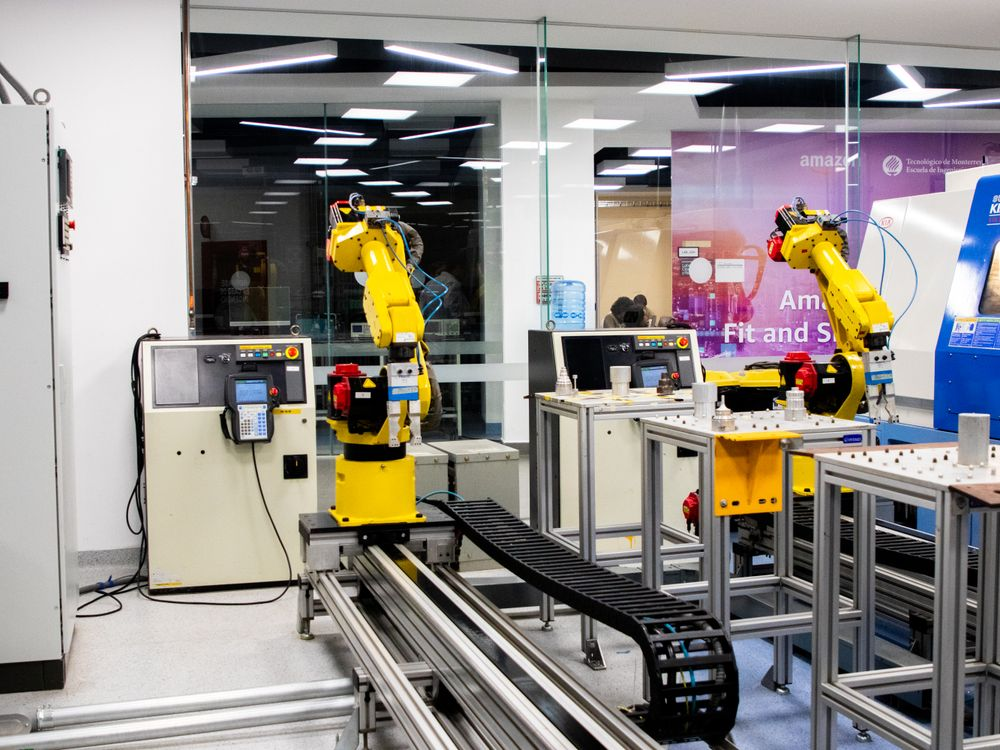
A European Endura factory would require production equipment, quality inspection capability and a reliable flow of specialist materials and components, alongside the partner’s own engineering and commercial resources. Ceres has not identified the factory location, its equipment suppliers or the sources of its cell materials. The employment impact and construction expenditure therefore remain unknown, despite the licence’s specified manufacturing capacity target.
Ceres chief executive Phil Caldwell has linked the licence to increasing demand for distributed power and the company’s strategy of working with manufacturing partners. The agreement creates a new route to supply solid oxide fuel cells in EMEA, while leaving investment and production milestones with the licensee. The next verifiable developments will be disclosure of the manufacturing partner’s plans, a decision on the plant and, ultimately, the start of commercial output that would trigger royalty payments.