The Manufacturing Technologies Association (MTA) has called for sustained investment in production equipment and advanced manufacturing technology to strengthen Britain's industrial capacity and reduce vulnerabilities across domestic supply chains.
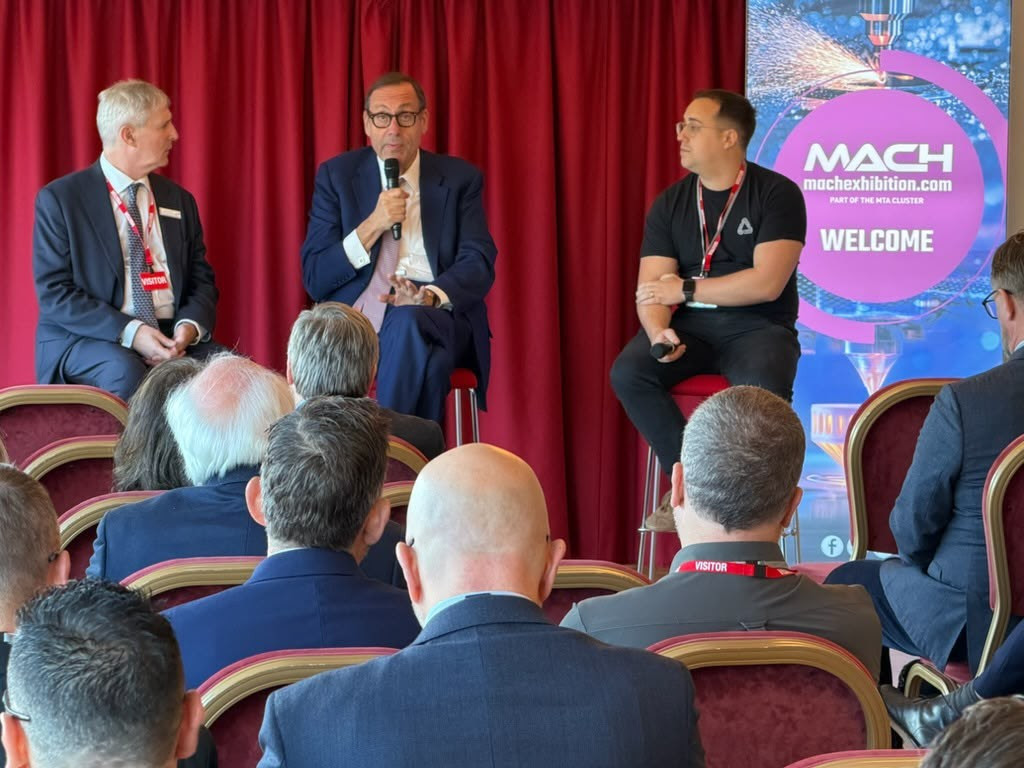
At a parliamentary briefing held in the House of Lords on 12 November, manufacturing leaders examined how investment in machinery, automation and production expertise could support the delivery of the Government's industrial strategy.
The event was hosted and sponsored by Lord Harrington, Chair of Make UK. A panel discussion titled Advanced Manufacturing & National Resilience brought together Lord Harrington, CloudNC Chief Operating Officer Jason Bowes and MTA Chief Executive James Selka.
Discussions addressed industrial productivity, domestic manufacturing capability and the ability of British companies to respond when international supply chains are disrupted or demand for strategically important components increases.
James Selka, Chief Executive of the MTA, said: "National resilience depends on what we can make, how quickly we can make it and whether our supply chains can deliver when circumstances change. Sovereign capability requires sustained investment in the manufacturing technology behind the finished product."
The capacity to manufacture critical components depends on more than the number of major industrial companies operating in Britain. Aerospace, defence, automotive and other complex manufacturing programmes rely on extensive networks of specialist suppliers producing machined parts, tooling, assemblies and precision components.
These businesses must be able to manufacture products to the dimensional, material and quality requirements established by their customers. Where production depends on specialised equipment or a small number of qualified suppliers, limited capacity can restrict the delivery of larger industrial programmes.
Investment in manufacturing technology can address some of those constraints, although the effect depends on where equipment is introduced and whether it resolves a genuine production bottleneck.
A manufacturer might increase machining capacity through an additional CNC machine, for example, while continuing to face restrictions in inspection, finishing or assembly. The complete manufacturing process must be assessed before additional equipment can deliver the intended increase in finished output.
The MTA wants industrial policy to support investment throughout these supply chains, including smaller manufacturing companies whose capabilities underpin major programmes.
Selka said: "The test of industrial policy is whether it translates into greater productive capacity. Our members and exhibitors supply the technology that makes that possible, supporting the businesses producing critical components for industries such as aerospace and defence."
The Government's Advanced Manufacturing Sector Plan identifies aerospace, automotive, batteries, advanced materials, agri-tech and space among six priority industries. Its objectives include increasing investment, supporting technology adoption and strengthening the conditions for manufacturing growth.
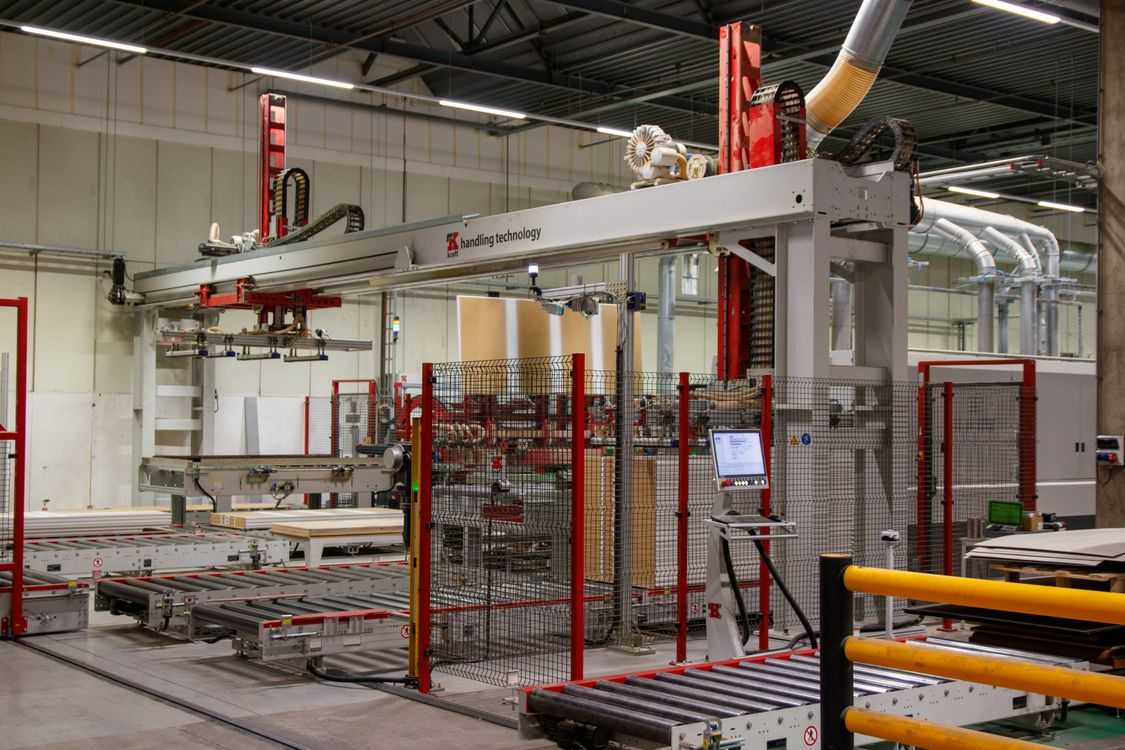
These ambitions depend partly on manufacturers having access to equipment capable of producing components consistently and at the required volume. The machinery may include metalworking equipment, automated handling systems, inspection technology and software used to prepare and control production operations.
Modern machine tools can incorporate numerical control systems capable of executing programmed machining operations to defined specifications. Their productive use requires suitable cutting tools, workholding, process planning and the inspection arrangements needed to verify completed components.
Automation can reduce manual intervention in selected operations, but the equipment must be integrated with the production process. A robotic loading system, for example, needs appropriate component presentation and a reliable interface with the machine it serves.
The wider manufacturing arrangement must also accommodate maintenance, tooling changes, material supply and differences between products. A machine that performs well during a demonstration may require additional engineering work before it can operate consistently within an existing factory.
Technology adoption therefore involves expenditure beyond the initial equipment purchase. Installation, commissioning, production trials, operator training and process validation all influence the final investment required.
Access to finance was among the issues examined at the parliamentary briefing. The availability and terms of funding can affect whether a business proceeds with an equipment purchase, particularly where the expected benefits develop gradually through additional production or improvements in operating efficiency.
The Government's Made Smarter programme provides one route for smaller manufacturers seeking support with digital technology adoption. The Advanced Manufacturing Sector Plan includes £116 million of support intended to help 5,500 businesses access advice and training.
Digital adoption can involve connecting existing machinery to production information systems, improving the collection of operating data or introducing software that supports process planning and equipment management.
Reliable information about machine utilisation and downtime can assist manufacturers in identifying capacity constraints, although data collection does not itself remove those constraints. Engineering teams must still establish the cause of lost production and determine which operational changes are appropriate.
Workforce capability forms another part of the investment requirement. New equipment may introduce different programming, maintenance and inspection needs, requiring employees to develop skills alongside the installation of machinery.
Machine operators and production engineers must understand the equipment's capabilities and limitations, while maintenance personnel require the knowledge needed to identify faults and return systems safely to service.
Without those capabilities, manufacturers may struggle to make full use of the production capacity available from their machinery, even when the original installation has been completed successfully.
The briefing also examined the Manufacturing Technologies Association's MACH exhibition as a means of connecting equipment suppliers with businesses considering manufacturing investment.
MACH takes place every two years at Birmingham's NEC and brings together machine tools, automation equipment, inspection systems and other technologies used in industrial production.
Exhibitors reported more than £220 million of business attributed to MACH 2026, according to figures published by the exhibition organiser. The amount reflects commercial activity associated with the event and should not be treated as a measure of manufacturing capacity already installed or commissioned.
Equipment demonstrations allow prospective buyers to examine machinery under operating conditions and discuss requirements with suppliers. Those discussions can involve cycle times, component tolerances, tooling, automation interfaces and the processes needed to manufacture particular products.
Comparing equipment in operation may help businesses evaluate available technologies before progressing towards procurement, although further trials and engineering assessment may be necessary for specialised applications.
Investment decisions arising from an exhibition can take time to translate into productive capacity. Businesses may need to arrange finance, complete supplier assessments, prepare premises and commission machinery before the equipment contributes to manufacturing output.
The MTA maintains that the relationships developed through MACH extend beyond the five-day exhibition, with enquiries, supplier discussions and prospective investments progressing between editions.
The association also emphasised the relationship between production technology and Britain's ability to retain demanding manufacturing contracts. Equipment capable of meeting more complex specifications can allow suppliers to compete for work that would otherwise exceed their existing production capability.
That outcome depends on the complete manufacturing offer, including engineering expertise, quality assurance, delivery performance and commercial competitiveness. Equipment investment provides additional capability, but contract awards remain subject to customers' requirements and purchasing decisions.
The parliamentary briefing did not establish a new government funding programme or announce specific procurement contracts. Its focus was the productive capacity needed to support existing industrial strategy objectives and strengthen the domestic supplier base.
The next MACH exhibition is scheduled for 3 to 7 April 2028 at the NEC in Birmingham. The intervening period will provide opportunities for manufacturers to advance the investment decisions, engineering work and workforce development required to increase production capability.