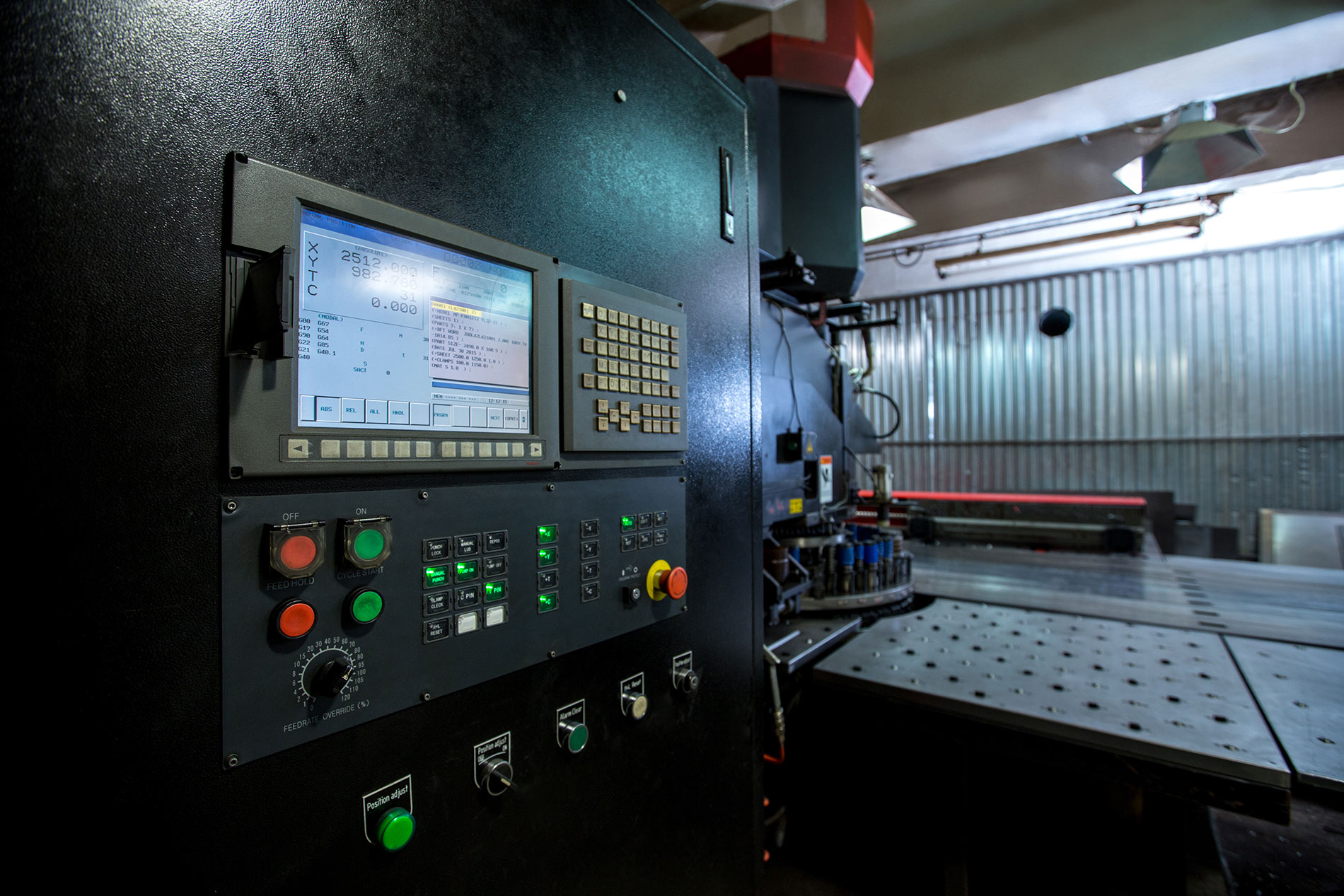
Rockwell Automation has introduced PanelView Pro, a modular industrial human-machine interface (HMI) designed to run FactoryTalk View Machine Edition applications on updated hardware. Separate display and logic modules can be serviced or replaced individually, while compatible applications and common panel openings are intended to ease migration from PanelView Plus 7 Performance terminals. Initial customer availability is planned for the fourth quarter of 2026, with additional modules and configurations to follow through 2027.
Replacing an industrial operator terminal is rarely a matter of changing only its screen. The unit fits a specified opening in an enclosure and connects to controllers, networks and power supplies, while the application contains operating displays, alarm functions and permissions that plant staff already use. Rockwell says PanelView Pro can reuse existing FactoryTalk View ME applications and common cutouts, reducing the mechanical alterations and software redevelopment that can otherwise accompany a terminal replacement.
Preserving the existing runtime environment is central to the migration proposition. Engineering teams can retain their familiar display and control application structure while upgrading the computing and viewing hardware. Compatibility still has to be checked against the particular application, software version, controller communications and peripheral interfaces at a site. Successful migration means that indications, commands, alarm acknowledgements and operating sequences behave as expected, not merely that the project file opens on a newer terminal.
The modular design changes how faulty terminals can be serviced. With display and logic assemblies separated, an operator may be able to replace one component without discarding the rest of the HMI. This can also influence the spare-parts strategy for machine fleets with multiple display sizes or installed configurations, provided the relevant modules are interchangeable as specified. Rockwell has not yet published comparative component prices or quantified reductions in service time, so those maintenance benefits remain dependent on each installation.
Rockwell describes faster processing, more responsive graphics and enhanced connectivity for demanding manufacturing environments. Operator displays commonly present equipment status, production settings, alarms and historical trends, with delays or inconsistent values complicating diagnosis. The announcement does not publish a controlled comparison for screen response or application loading, and the new terminal’s impact on operator tasks will have to be assessed using the actual machine application and network conditions.
PanelView Pro runs on a managed operating system with secure remote-access capabilities, according to Rockwell. These functions support a more structured approach to maintaining an HMI fleet, including controlled access to the terminals when configured by the operator. Remote connectivity also introduces choices about accounts, permissions, update procedures and network access. Those settings need to fit the plant’s operational technology arrangements rather than being treated as security provided automatically by replacing the hardware.
Operator terminals also sit at the boundary between control engineering and day-to-day production. A visualisation application can allow an operator to acknowledge alarms, select recipes, start a sequence or diagnose a fault, but the underlying controller remains responsible for executing the defined machine logic. Preserving that division during a hardware transition is an important commissioning consideration. Engineers typically need to verify that displayed values, command permissions and alarm behaviour match the previous installation, particularly where a panel is used on a machine that cannot tolerate unexpected stopping or restarting.
The launch is aimed at users of FactoryTalk View ME who need to maintain established visualisation projects as terminal hardware changes. It is a different migration proposition from installing a new application environment: preserving screens, tags and alarm structures can shorten engineering work, but the installed machine or process must still be tested before the replacement is placed into service. Electrical connections, environmental ratings and regulatory certification for the selected model also form part of that decision.
Machine builders and systems integrators frequently support several generations of one product line, often across different factories. A common application and mounting arrangement can reduce variation in service documentation and replacement procedures, particularly when an older terminal becomes difficult to source. Modular components may further reduce the number of complete units held in inventory, subject to compatibility and stocking decisions. The company has not disclosed an exact range of module combinations or the commercial terms for spare parts.
Rockwell plans to begin supplying PanelView Pro in the final quarter of 2026 and widen the available configurations during 2027. FactoryTalk View ME reuse, common cutouts and separate logic and display modules define the initial specification. Detailed model data and field migration experience will establish which existing PanelView Plus 7 Performance installations can be upgraded with the least cabinet alteration and application rework.