Three subcontracted workers died while carrying out maintenance at an effluent treatment facility on a Tata Electronics manufacturing site in Hosur, Tamil Nadu, on Monday, 9 November. District Collector C. Dinesh Kumar said they were exposed to gas while inspecting an external nanofiltration tank. Police, industrial safety authorities and the companies involved are investigating the circumstances; the specific gas, conditions at the tank and any responsibility for the incident have not been established in a completed inquiry.
The factory in Krishnagiri district manufactures components for Apple iPhones. Local accounts say workers were inspecting or cleaning a tank associated with the wastewater treatment operation when one became unconscious, followed by colleagues who attempted to help. The reported sequence is drawn from early statements to local journalists and remains subject to verification. Investigators will need to establish the precise task, the location of each worker and the conditions inside and around the tank.
Nalco Water, part of US-based Ecolab, operated the utility facility where the incident occurred. In a statement carried by Indian news agencies, Nalco Water confirmed that the three workers were engaged by a subcontractor and said it was cooperating with local authorities. The operator, site owner and subcontractor had different roles at the factory; the public accounts do not establish whether a failure of any particular person, organisation or procedure caused the deaths.
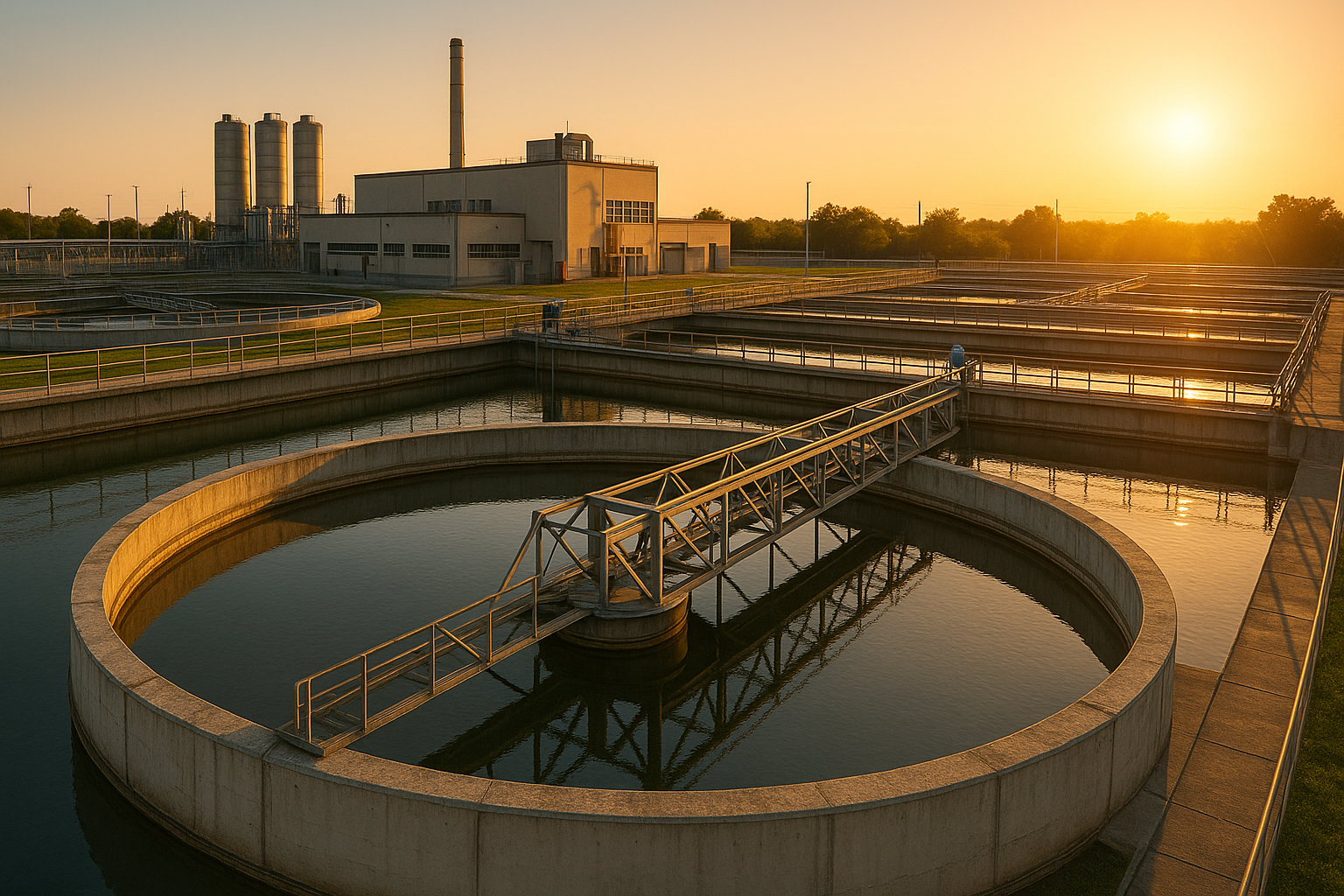
Effluent treatment plants manage wastewater generated by manufacturing, using combinations of collection tanks, chemical treatment, separation, filtration and handling of residues before water is discharged or reused. Maintenance may expose workers to tanks and pipework whose atmospheres differ from the surrounding air. Oxygen depletion or the presence of hazardous gases can make such work dangerous, although the exact atmospheric conditions at Hosur have yet to be confirmed through testing and the official investigation.
Nanofiltration uses membranes to separate dissolved substances from process water, but the identification of a nanofiltration tank does not demonstrate that the membrane process caused the incident. The reported work concerned a tank within the effluent treatment operation. Investigators must establish whether tank entry took place, what maintenance activity had been authorised, whether atmospheric monitoring was conducted and what emergency arrangements were in force. None of those points is settled by the name of the equipment alone.
The Krishnagiri administration has asked the Tamil Nadu Pollution Control Board and the Directorate of Industrial Safety and Health to examine the treatment plant and its safety arrangements, according to the district collector. The inquiry will have to distinguish immediate exposure conditions from the wider maintenance system, including how the work was planned and supervised. At the time of reporting, the authorities had not issued a final technical cause or findings of regulatory breaches.
Subcontracted maintenance can bring together an asset owner, a utilities operator, a specialist contractor and individual workers, each with different responsibilities. Safe execution depends on communicating the scope of the task, isolation arrangements, access restrictions, atmospheric hazards and emergency response methods across those boundaries. The relevance of each measure to the Hosur incident will depend on what investigators establish about the job and working conditions, rather than assumptions based on the companies’ contractual relationships.
Two sources cited by Reuters said production had not been affected because the factory was closed for the Deepavali holiday. That account concerns manufacturing output and does not resolve the condition of the effluent treatment operation. District officials have said the affected treatment plant can resume only after required safety measures are implemented and the appropriate clearance obtained. The status of the utility and any impact on subsequent site operations remain separate matters from the initial report of no production disruption.
Wastewater treatment is an essential operating utility in electronics manufacturing, even though it is separate from the main production machinery. Treatment systems receive process water and residues, and maintenance may continue when production lines are stopped. Consequently, task authorisation, contractor coordination and emergency arrangements have to cover supporting plant as well as the manufacturing equipment. The inquiry at Hosur will examine how those arrangements applied to the work under way on 9 November.
Local reporting has raised questions about gas testing, protective equipment and rescue arrangements after the workers reportedly lost consciousness around the tank. These are questions for police and industrial safety investigators, not established findings of negligence. An emergency involving a hazardous atmosphere can put would-be rescuers at risk if the response is not controlled and appropriate equipment is unavailable. The investigation will need evidence about the actual rescue sequence and available safeguards before determining any shortcomings.
Nalco Water has said it is cooperating with the authorities, while Tamil Nadu officials have promised a thorough inquiry and support for the affected families. The next material findings will concern the tank conditions, the maintenance and rescue arrangements, the treatment plant’s operating status and any corrective measures ordered. Until those reports are available, attributing the deaths to a specific gas, procedural failure or organisation would go beyond the verified public record.