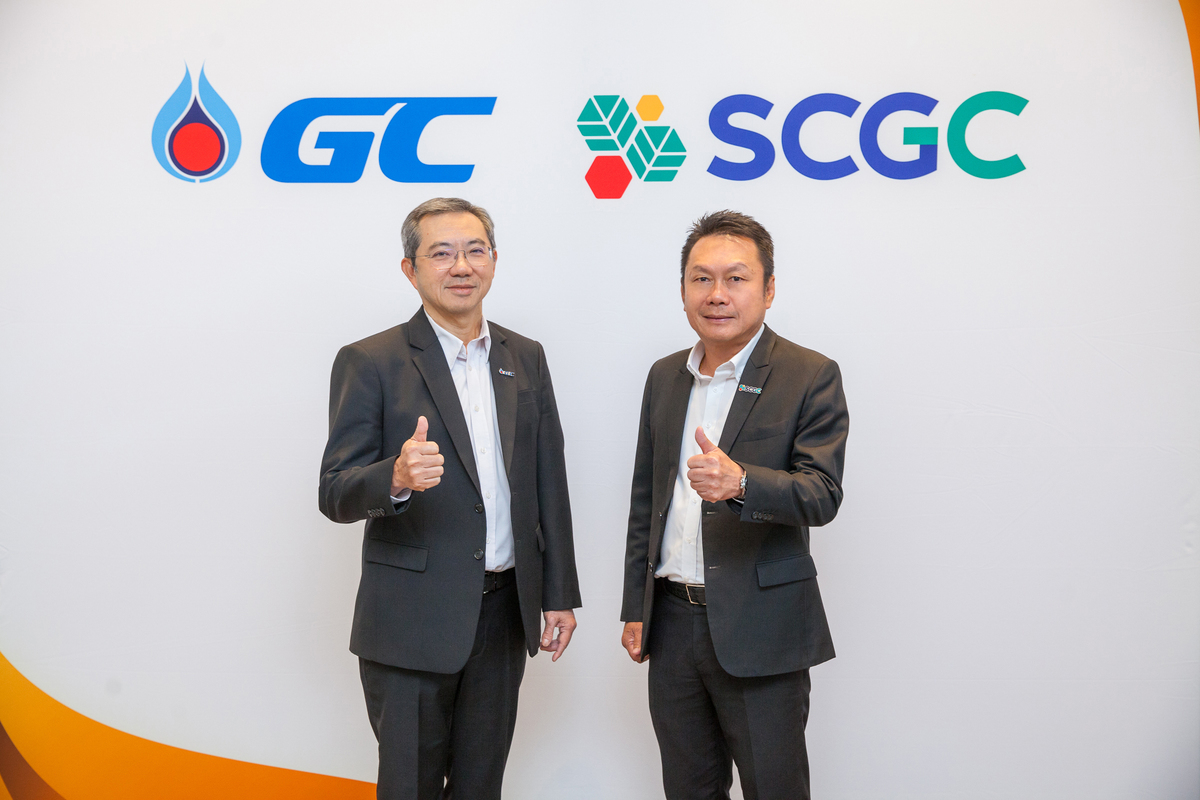
PTT Global Chemical (GC) and SCG Chemicals (SCGC) have agreed principal terms for a proposed joint venture combining their Thai olefins and polyolefins operations. GC would hold 56% and SCGC 44% through a share swap with no cash consideration. Together, the proposed businesses have approximately 7.1 million tonnes a year of olefins production capacity. Establishment of the venture is targeted for the second half of 2027, following shareholder and regulatory approvals.
The partners have been assessing the combination for several months, entering confirmatory due diligence and discussions over transaction parameters during September. Their October agreement establishes a proposed ownership balance, asset scope and projected financial benefits. They expect annual synergies of approximately $150m–$200m, with the full benefits realised progressively within about three years after integration. The gains would depend on coordinating operations, procurement and feedstock management across the combined business.
Olefins such as ethylene and propylene are industrial intermediates used to make polyethylene, polypropylene and other chemicals. Steam crackers convert hydrocarbon feedstocks into these building blocks, which flow into polymerisation and subsequent product manufacturing. The proposed venture would combine capacity across those stages, creating options to coordinate feedstock sourcing and allocate production. Individual crackers and polymer lines still operate within specific feedstock and product requirements, so changes to the network would need to respect equipment limits and customer specifications.
GC’s proposed contribution includes olefins and polyolefins operations in Thailand and its interest in HMC Polymers. SCGC would bring its own Thai cracker and polymer businesses and holdings in related ventures, including Siam Polyethylene, Siam Synthetic Latex, Thai MMA and Bangkok Synthetics. The transaction would therefore involve both directly operated assets and ownership interests in other businesses. Transferring those interests under an agreed governance structure will be part of the formal reorganisation, alongside the necessary approvals.
Both companies have significant manufacturing interests around Map Ta Phut in Rayong province, where petrochemical complexes depend on shared industrial services and links between processing units. Coordinated planning could improve the use of feedstock pipelines, utilities and available downstream capacity while reducing duplicated support activity. Each connection must nevertheless be suitable for the materials and operating conditions involved: pressure, purity, flow capacity, maintenance access and contractual arrangements govern whether streams or services can be shared between plants. Even a straightforward change to plant routing may require engineering reviews, additional measurement points and revised operating procedures before one unit can depend on a shared feed or service.
Feedstock flexibility is a stated commercial objective of the combination. Petrochemical economics can change with feedstock price and availability, while downstream orders vary by polymer grade and application. Integrated planning may allow production to be allocated among suitable units more efficiently, provided existing process limits and product qualifications are maintained. Shared maintenance schedules and procurement arrangements could also affect costs as the proposed business seeks more efficient use of its installed capacity.
The partners also intend to combine their technical development and customer networks to increase the share of differentiated, higher-value polymer products. Qualifying a new grade for demanding industrial applications involves control of composition, processing conditions and performance characteristics. A larger production portfolio could offer more options for sourcing and scheduling, provided product specifications and customer supply commitments are preserved. The agreement sets a commercial and ownership framework for that work; specific modifications to individual processing units would come through subsequent operational decisions.
The proposed 56:44 share swap gives GC the majority stake without an immediate cash purchase between the partners. The companies expect to seek shareholder approval in December 2026 and complete relevant regulatory steps during the first half of 2027. Only after those conditions and the restructuring are met could the joint venture be established on the current timetable for the second half of 2027. Its integrated operating arrangements and proposed financial benefits would then develop through the subsequent implementation period.
GC and SCGC expect the combined enterprise to rank among the world’s ten largest polyolefins producers by capacity and to hold a leading position in ASEAN. Their 7.1 million-tonne figure describes planned combined olefins capacity, while the polyolefins ranking refers to a separate product segment. Delivery will be tested by the integration of assets and ownership interests, operating performance and the projected $150m–$200m in annual synergies. The October agreement fixes important transaction parameters ahead of shareholder decisions and the planned 2027 restructuring.