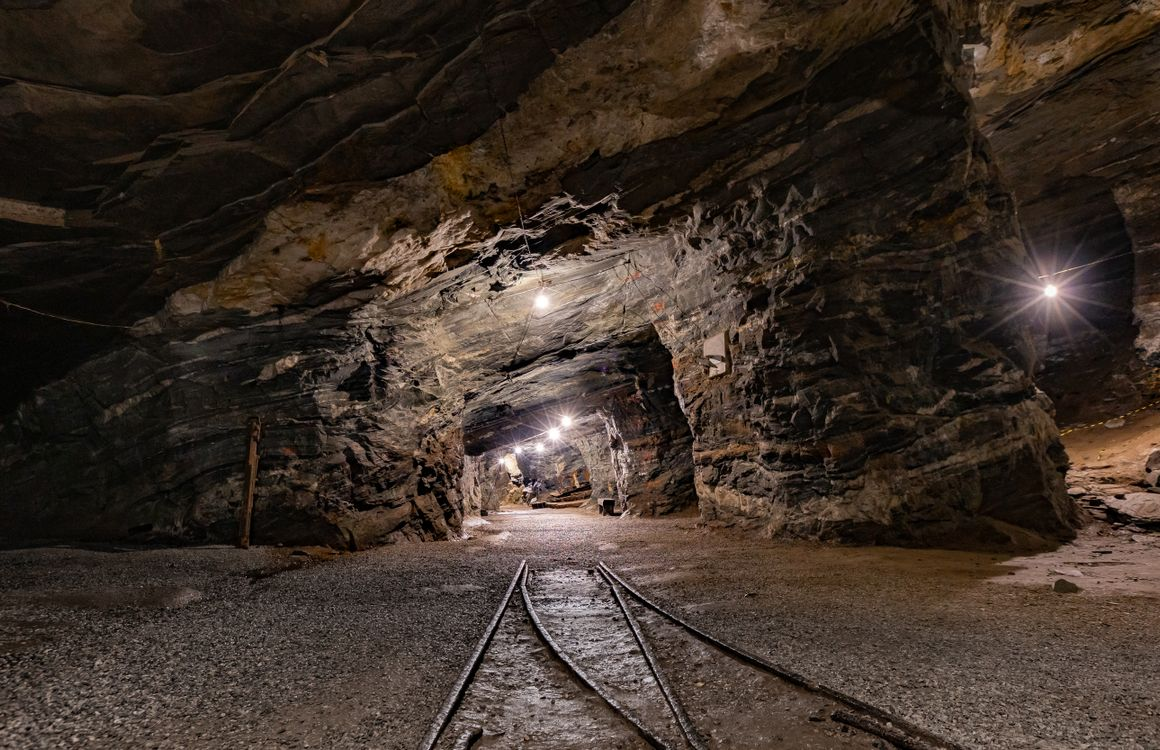
Rio Tinto has begun progressively restarting underground operations at the Oyu Tolgoi copper mine in Mongolia after a seismic event on 29 October caused a localised rockfall and injured three employees. The incident occurred along a rock fault zone, producing ground vibration inside the mine. Mining was paused for safety reviews, and the company subsequently reported that the rockfall was confined to a temporary storage area adjacent to the production zone, with no structural impact to the underground cave or its operating infrastructure. Two of the injured workers were still receiving treatment for non-life-threatening injuries when the restart was confirmed.
The seismic activity occurred at about 18:00 local time on 29 October. Underground work stopped under the mine’s operating procedures while assessments were carried out, and the company confirmed the progressive restart on 30 October. Individual mining activities can resume as the relevant working areas are cleared, rather than the entire underground operation returning simultaneously to its previous output. Rio Tinto is continuing to work with authorities and support the affected employees and contractors. It has not specified a date for full restoration of underground production rates.
The rockfall’s location is important to the recovery sequence. A temporary storage zone beside the production area is separate from the underground cave itself, but mine access, ground support, ventilation, ore handling equipment and work areas form interconnected operating systems. A ground disturbance can require checks beyond the point where material fell, because personnel and mobile equipment use adjoining routes and shared infrastructure. Rio Tinto’s assessment found no structural damage to the cave or operating infrastructure; the precise areas reopened and the sequence of individual inspections have not been detailed publicly.
Oyu Tolgoi, in Mongolia’s South Gobi region, is a large copper and gold operation whose underground development has been central to Rio Tinto’s copper output growth. Rio Tinto holds 66% of the project, while the Mongolian government owns 34% through Erdenes Oyu Tolgoi. Production comes from an operation involving underground and open-pit mining, processing facilities and concentrate transport. Maintaining safe access and reliable movement of ore between extraction and processing areas is essential during the underground ramp-up, particularly when different mining areas return to service at different times.
Cave mining involves deliberately allowing the ore body to fracture and move through an engineered underground extraction system as material is removed. Ground conditions, cave movement and access to draw and handling areas must therefore be monitored as part of normal operation. A seismic disturbance adds an immediate need to reassess the condition of the affected area and adjoining workings before mining resumes. The localised nature of this rockfall, together with the company’s reported absence of structural damage, supports a phased restart, although neither finding establishes the rate at which the whole mine can return to production.
The interruption followed a period of rising copper output. In its third-quarter production results published on 14 October, Rio Tinto reported a 29% year-on-year increase in Oyu Tolgoi copper production for the first nine months of 2026. The mine ran at an annualised rate of approximately 450,000 tonnes of copper during the quarter. That annualised figure expresses the pace achieved in the reporting period; it is not the mine’s actual full-year production. Both figures precede the seismic event and provide a baseline for assessing the subsequent interruption rather than an estimate of post-restart performance.
Oyu Tolgoi’s longer-term plan envisages average copper production of approximately 500,000 tonnes annually from 2028 to 2036, measured as recoverable metal on a 100% project basis. The forecast depends on continued underground development and reliable processing over the planned ramp-up. Production lost during a stoppage depends on how long operations remain restricted, which extraction and handling areas are affected, and the operating rates achieved after reopening. Rio Tinto has not provided a lost-tonnage estimate or revised its production outlook specifically as a result of the 29 October incident.
Transport capacity adds another constraint to deliveries from the operation. Rio Tinto has separately reported delays affecting vehicles at the Ganqimaodu crossing between Mongolia and China, reducing the availability of trucks to move copper concentrate. Mining output, concentrate processing and outbound deliveries operate on different schedules, so constraints at the border can affect dispatch even as underground work restarts. Storage availability and vehicle movements become important in coordinating concentrate shipments, but the border delays are a logistics issue independent of the rockfall and the mine’s structural condition.
The phased return places working-area clearance and workforce safety alongside production recovery. Underground access and equipment can be brought back into service when local controls permit, with staff and contractors needing to follow the restrictions applying to each area. Although the initial incident caused no fatalities, the injuries remain consequential, and Rio Tinto said two employees continued to receive medical care. The company’s confirmed restart applies to underground activities progressively, with normal operating rates still to be established.
Rio Tinto has given no completion date for the restart and no event-specific estimate of reduced copper output. Subsequent operating updates will establish how quickly underground extraction and ore handling regain their previous pace, while concentrate shipments will also depend on border transport capacity. The confirmed position is that safety reviews have been completed for the progressive restart, the rockfall was localised, and the underground cave and operating infrastructure sustained no reported structural damage.