Metso has signed an agreement to acquire Italbronze, the Brazilian producer of bronze alloy castings and machined components that has supplied the Finnish engineering group for more than 30 years. The proposed purchase would bring an established manufacturing and inspection operation into Metso’s crushing equipment aftermarket business. Approximately 470 employees would transfer on completion, which Metso expects by the end of 2026 subject to antitrust approval; no transaction value has been disclosed.
Based in the Greater São Paulo area, Italbronze has operated for 67 years and supplies mining, aggregates, automotive, agricultural and other industrial customers. Its facilities combine continuous and centrifugal casting, machining, laboratory work and quality control. Metso is therefore seeking ownership of an existing production operation and its accumulated process knowledge, rather than announcing construction of a replacement plant or a new casting line.
For crushing equipment, bronze alloy parts can perform demanding mechanical functions where heavy loads, sliding contact and predictable wear behaviour must be managed. Depending on the machine design, bronze components can be used within bearing, bushing or other wear interfaces, where the material choice is linked to lubrication, clearance and the loads carried by adjacent steel parts. The specific grade and geometry of a replacement component have to match the intended machine application; a nominally similar casting is not necessarily an interchangeable spare.
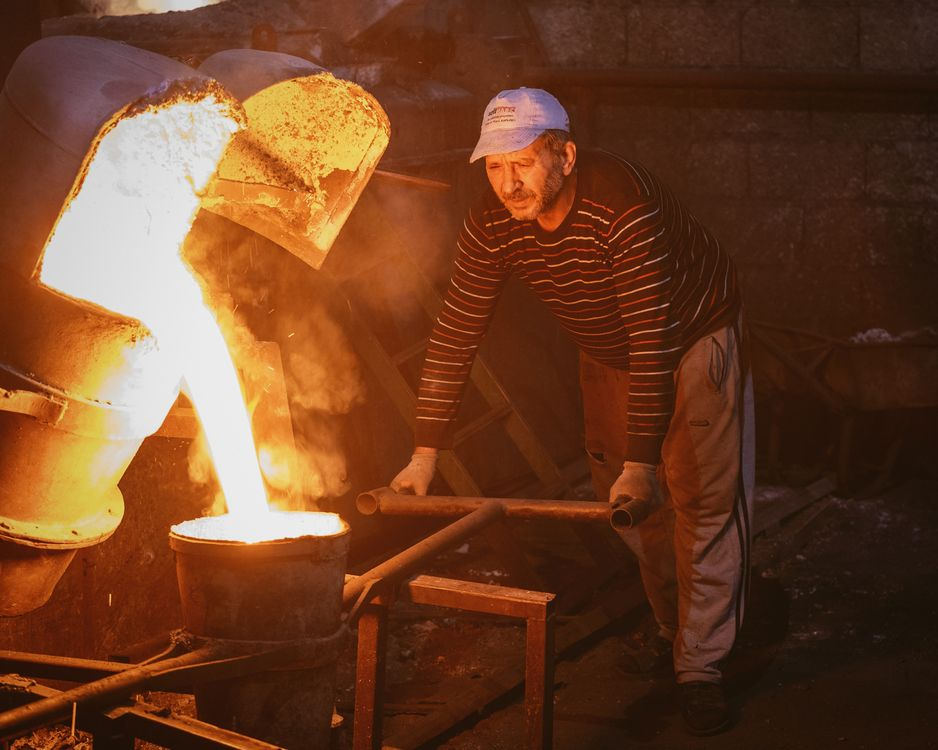
Continuous casting and centrifugal casting produce different shapes and solidification conditions. In continuous casting, molten alloy is progressively solidified as a product is withdrawn through a cooled die or mould, making the method appropriate for a range of bars and sections. Centrifugal casting rotates a mould so that molten metal is distributed against its wall, commonly producing hollow cylindrical sections that can subsequently be machined. Each process needs control of chemistry, temperature, cooling and inspection to achieve specified properties.
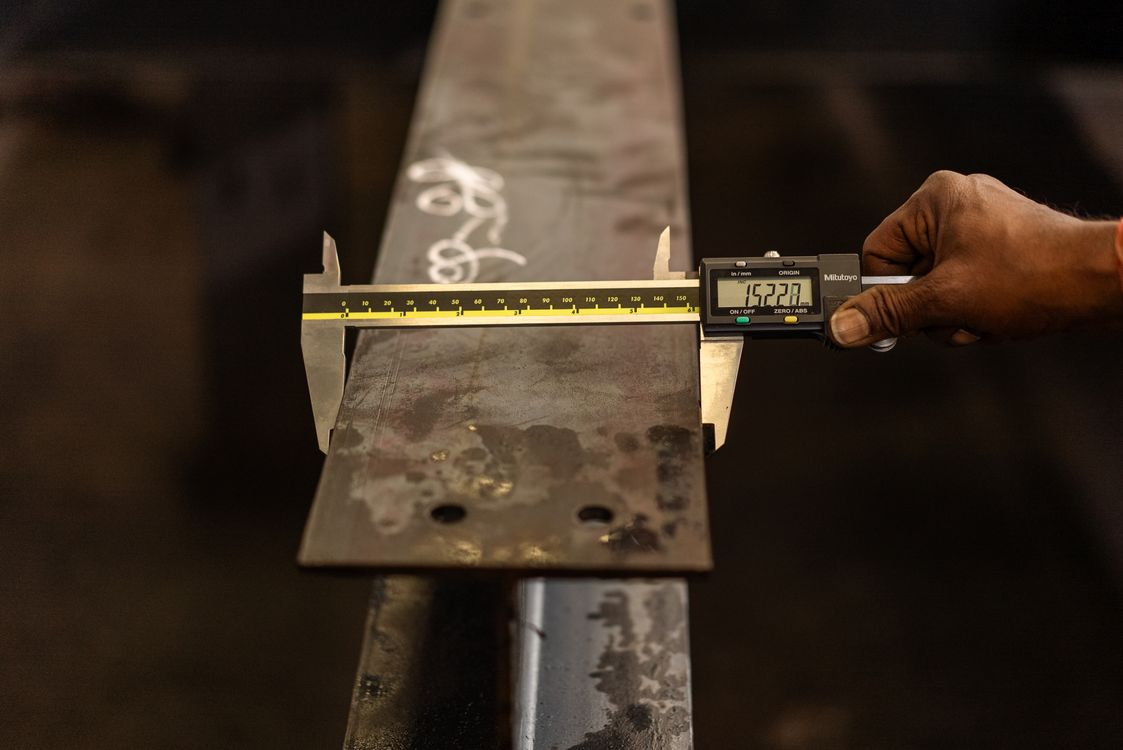
Machining converts those cast forms into components with the required fits, surfaces and installation features. This may involve boring, turning and checking dimensions against technical drawings, while laboratories assess composition and other material characteristics against purchase specifications. A crushing machine operates within a connected mechanical system, so an out-of-tolerance bushing or wear part can affect alignment, lubrication and the condition of related components. Supply reliability therefore depends on manufacturing control as well as warehouse availability.
Metso’s intended ownership would give its service business closer control over casting and machining capacity for selected crushing equipment parts. The companies already have a long supplier relationship, but direct ownership could allow material selection, production planning and inspection feedback to be coordinated more closely with Metso’s equipment engineering functions. The group has not specified how much capacity might be reserved for its own requirements or whether any additional production investment will follow closing.
Mines and aggregate plants generally plan maintenance around component wear, operating hours and the availability of shutdown windows. A replacement part needs to arrive with the correct geometry and material specification before mechanical work begins; an incorrect fit or late shipment can prolong an outage even when labour and lifting equipment are available. Metso is seeking greater supply security through the acquisition, although no quantified reduction in delivery times has been disclosed.
Italbronze’s industrial customer base extends beyond Metso’s mining and aggregates operations, and Metso says those customers will continue to receive products and services. That means the acquired foundry’s planning, inspection and traceability systems would need to serve different applications, material requirements and delivery schedules. Existing quality certifications are cited by Metso, but the company has not announced a production reallocation or a manufacturing site consolidation.
Feedback from servicing crushing machines can help a component manufacturer review wear patterns, failure surfaces, dimensional changes and material performance. A casting or machined part nevertheless has to be qualified against its mating components and the relevant drawing before any redesign enters production. Combining supplier expertise with the equipment maker’s installed fleet information creates a route for such evaluation, without implying that a particular new bronze grade or component design has already been approved.
The agreement is not yet a completed acquisition. Metso says it expects closing by the end of 2026 after the necessary competition approval, while the parties have agreed not to disclose the price. The group also expects no material effect on its financial performance from the transaction. Until the conditions are satisfied and completion occurs, Italbronze remains a separate supplier with its existing customer commitments.
The industrial effect of the proposed deal will be determined by how Metso coordinates casting, machining, quality control and spare parts distribution after closing. Control of the manufacturing operation could reduce reliance on a contractual supply relationship for critical components, but improvements in availability or equipment uptime have not yet been measured or promised to a specific level. The transaction remains a planned change to the crushing aftermarket supply chain.