KMF Group has invested £186,000 in two NS Máquinas DM1100 ZC EVO machines for deburring and edge rounding, adding automated abrasive finishing to its sheet metal production operations. The equipment is intended to provide a controlled route for removing sharp cut edges before components undergo further fabrication or assembly. Each machine combines a contact roller and abrasive belt with a cross-belt finishing station, allowing two different treatment stages to operate as material passes through the line.
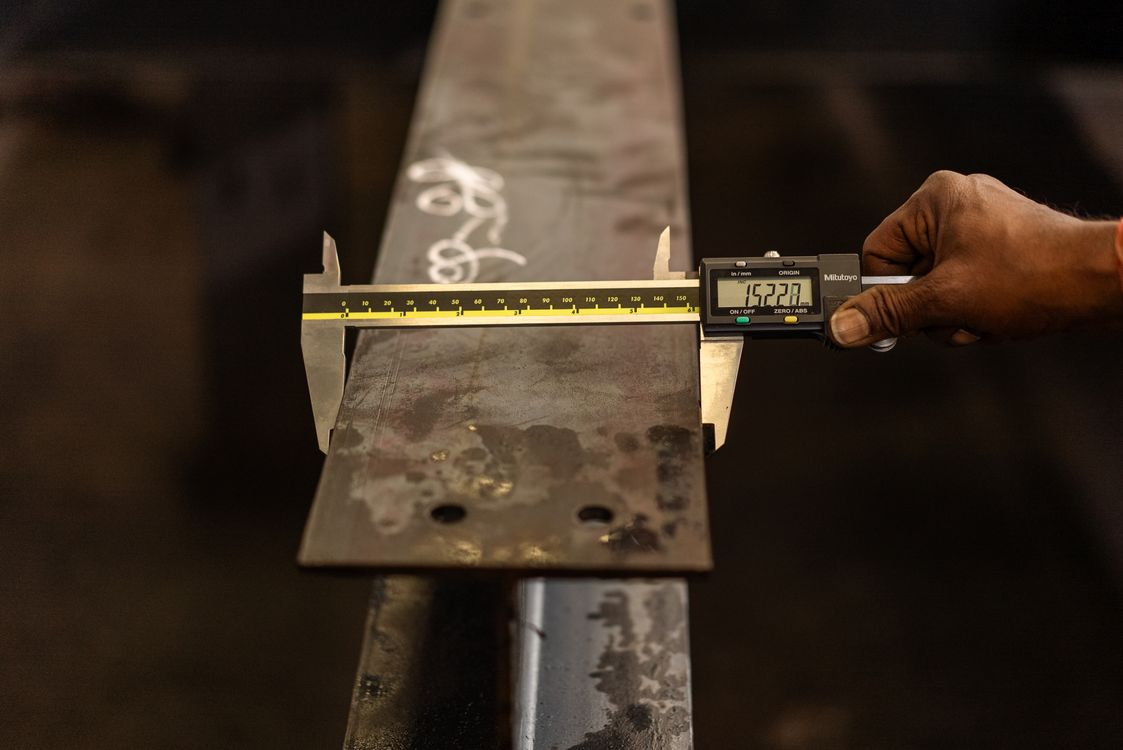
KMF carries out laser cutting, CNC punching, forming, welding and other subcontract manufacturing processes. Depending on the cutting method and material, newly produced parts can carry burrs or sharp contours that complicate subsequent handling, coating and assembly. An abrasive finishing process must remove those features without damaging a required face finish or altering dimensions outside specification. The two installations extend the company’s available processing routes rather than making every component suitable for the same finishing settings.
The manufacturer lists a working capacity of 1,100 mm in width and 120 mm in height for the DM1100 ZC EVO, with some smaller components down to 50 by 50 mm also suitable for processing. The equipment processes one side during a pass and is intended for steel, stainless steel and aluminium parts cut by laser, punching, shearing or plasma. The stated 1,100 mm width belongs to the named model and does not establish that every part at the maximum width can be treated at every feed speed, abrasive condition or edge specification.
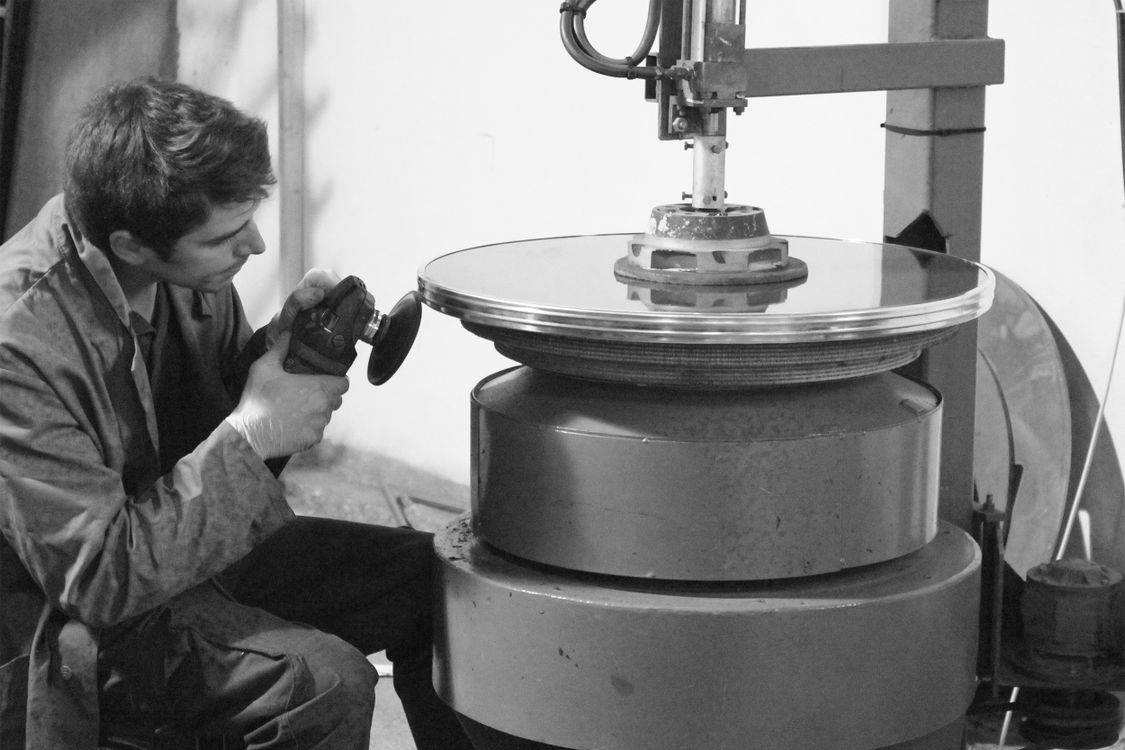
The finishing sequence starts with an abrasive belt running over a contact roller. As a laser-cut or punched workpiece passes through the machine, the belt removes protruding material and reduces burrs along the affected surface. Cross belts fitted with abrasive blocks then act on exposed edges and internal contours, producing a rounded transition rather than leaving a narrow, sharp corner. The machine manufacturer describes the arrangement as suitable for steel, stainless steel and aluminium components prepared by several cutting methods.
Different cutting processes produce different edge conditions. Punching can leave a fracture zone and localised burr at the separation line, while thermal cutting may generate adherent material or a more pronounced affected edge depending on settings and metal thickness. Those variations influence the abrasive grade, contact pressure and number of passes needed. Finishing also has to preserve critical dimensions and avoid taking excessive material from small features, so the selected process must be matched to the component drawing and acceptance standard.
The DM1100 ZC EVO has one abrasive belt station and one cross-belt station, with the manufacturer specifying belt speeds of 8–22 metres per second and cross-belt speeds of 2–8 metres per second. Its published conveyor feed range is 0.9–13 metres per minute. These figures describe adjustable machine settings, not KMF’s achieved throughput. The appropriate combination depends on material, burr height, abrasive wear and how much of the component surface can be exposed to the finishing media.
An integrated touchscreen provides access to settings, process monitoring and machine alarms. KMF’s supplied installation information also identifies digitally stored programmes for repeated work, which could allow an approved set of settings to be recalled when a familiar component returns to production. Programme recall still requires the operator to account for abrasive condition and the quality of the incoming blank; a stored setting cannot compensate automatically for every change in material grade, thickness or cutting condition.
Following finishing, a bracket, panel or enclosure component may proceed to folding, insertion of fasteners, welding or coating. Removing sharp edges upstream can make the subsequent handling stage more predictable, particularly when parts are repeatedly loaded into fixtures or conveyed between machines. The route is not universal: protected surfaces, thin features and close tolerances may need a different abrasive treatment or a separate inspection step before the next operation.
NS Máquinas offers a parts return arrangement and other handling accessories for its equipment, although the configuration installed at KMF has not been established. Machine loading, movement between processes and inspection time all affect the actual production benefit. Energy performance likewise depends on the selected operating cycle and the processes displaced; no independently verified before-and-after consumption figure has been supplied for KMF’s installation.
KMF’s existing finishing resources include processes such as linishing and coating, which have different purposes from machine edge rounding. The two DM1100 systems provide a defined abrasive operation after cutting, while specialist finishing and inspection remain necessary where drawings call for a particular texture, cosmetic surface or dimensional result. Abrasive selection, extraction arrangements and maintenance also influence whether repeated batches achieve the intended edge condition.
The £186,000 expenditure represents a specific addition of two finishing machines, with the 1,100 mm working width and abrasive processing arrangement supported by the equipment manufacturer’s published specifications. The date of installation and quantified savings have not been independently established. Production performance will depend on the components KMF assigns to the machines and on the finishing and inspection standards applied to each batch.