Centrus Energy has completed its approximately $116 million acquisition of Westerman Holdings, bringing an established manufacturer of uranium centrifuge components into the US nuclear fuel supplier’s operations. Announced on 19 October, the transaction combines a critical link in Centrus’ equipment supply chain with a wider fabrication business serving the oil and gas and other industrial sectors.
Centrus funded the purchase with approximately $95 million of cash on hand and $21 million in equity. It acquired the entire Westerman business, which will continue trading under its established name as a Centrus subsidiary. The purchase is complete; the reported value is not a proposed investment budget or a future option to acquire the supplier.
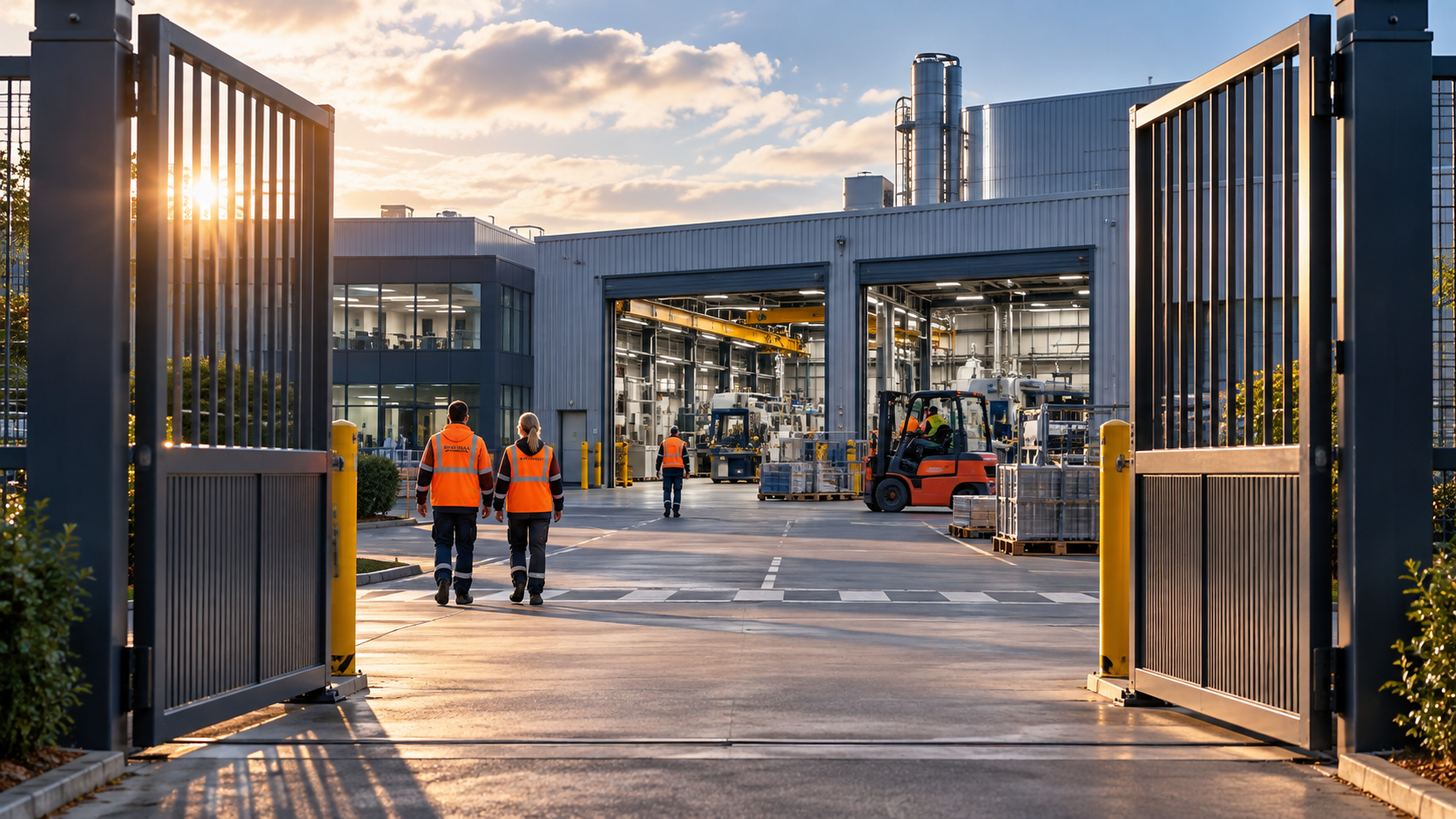
Westerman operates four manufacturing facilities in Ohio, Oklahoma and Wyoming and employs approximately 400 people. Founded in 1909, it supplies engineered industrial equipment as well as nuclear-grade products, including uranium hexafluoride cylinders. Its current customer base extends beyond Centrus, and the buyer has indicated that those external relationships will be retained.
The company has been one of Centrus’ largest and most diversified suppliers, producing centrifuge casings and other major components used in the American enrichment programme. By bringing that activity into the same corporate group, Centrus intends to manage a critical manufacturing dependency more directly as it develops plans for expanded uranium enrichment capacity.
Industrial fabrication capability is only one element of an enrichment programme, but access to qualified components can govern how rapidly new equipment is assembled. Centrifuge systems require mechanical assemblies produced to defined engineering requirements, supported by inspection and manufacturing records. A shortage or non-conformance in a component can delay later assembly even where other parts of the system are available.
Qualification of a supplier involves more than demonstrating that its machinery can produce the specified shape. The required materials, manufacturing methods, tolerances, tests and quality documentation must be suitable for the intended application. Maintaining those controls through repeated production is an industrial capability that cannot be reproduced immediately simply by purchasing additional machine tools.
Westerman’s established relationship with Centrus therefore provides continuity in the manufacturing programme. Its technical personnel and facilities already have experience of supplying relevant parts, although the acquisition does not by itself establish higher manufacturing throughput, the installation of additional equipment or the commissioning of new enrichment capacity.
The wider fabrication business also supplies equipment associated with upstream and midstream oil and gas production. Such work draws on capabilities in processing materials, producing pressure-containing or other engineered assemblies, managing inspection and delivering equipment against customer specifications. The exact manufacturing requirements are determined by the product, and qualifications used for one sector do not automatically apply to another.
Westerman’s uranium hexafluoride cylinders are one example of its nuclear-related equipment. Uranium hexafluoride is used in uranium conversion and enrichment operations, with containment, handling and documentation requirements governed by the intended process and applicable regulatory arrangements. The company’s ability to manufacture this equipment should not be confused with operating an enrichment plant or producing nuclear fuel itself.
The transaction supports Centrus’ previously announced plans to invest billions of dollars in expansion of US uranium enrichment capability. Those broader plans involve equipment manufacturing, installation and subsequent operation, with their own investment, delivery and regulatory requirements. The Westerman purchase is an acquisition of supplier capability, not completion of that expansion.
Bringing a supplier in-house may give the purchaser greater visibility of available fabrication capacity, engineering changes and manufacturing schedules. That potential advantage depends on how the businesses integrate their planning systems and procurement arrangements, particularly where production resources must still be allocated between internal requirements and established external customers.
The same balance applies to future capital expenditure. A fabricator with demand from several markets must decide where additional machinery or workforce investment is justified, and whether customer orders support the expected utilisation. A large enrichment programme can strengthen the case for investment, but the announcement does not quantify a new Westerman factory expansion or provide a specific capital programme for the acquired sites.
Manufacturing quality arrangements will remain product-specific after the transaction. Nuclear-grade equipment requires documentation and conformity evidence appropriate to the work, while equipment supplied to oil and gas customers may be subject to different technical codes and inspection regimes. Group ownership does not eliminate those differences or confer new approvals automatically.
Centrus also expects financial benefits from the acquisition. The company says the transaction should be accretive to adjusted earnings per share in the first year following closing and anticipates commercial and operational synergies, including possible efficiencies and lower project costs. Those are forecasts rather than savings or earnings improvements already demonstrated in published results.
Jacob Garrett, Westerman’s chief executive before the transaction, will become its president and a vice-president of Centrus Energy. The leadership arrangement is intended to preserve continuity in the acquired business while creating a direct reporting relationship within the enlarged group. No redundancies, additional employment commitments or relocation of the existing manufacturing facilities were announced.
Westerman’s non-nuclear activities are also part of the acquisition rationale. They broaden the range of industrial customers served by Centrus and provide a revenue base separate from its core nuclear fuel and services operations. The company has not disclosed the acquired business’s revenue by industrial sector, so the scale of that diversification cannot be quantified from the transaction announcement.
The agreement follows increasing industrial interest in securing domestic manufacturing capacity for nuclear fuel infrastructure. Specialist components are produced through supply chains that depend on qualified materials, equipment and people, and replacing an experienced supplier can introduce technical risk even where alternative fabricators are available.
Centrus’ ownership of Westerman reduces one commercial interface in that supply chain, but successful integration will still require production scheduling, supplier management, investment decisions and adherence to existing customer contracts. The separate requirements for bringing additional uranium enrichment capacity into service remain unchanged by the corporate transaction.
The reported purchase was completed before the 19 October public announcement, with the company filing a Form 8-K concerning a corporate event dated 16 October. Subsequent reporting will show whether the expected efficiencies appear in financial results and whether Westerman expands the number of qualified parts delivered for Centrus’ equipment programme.
For the acquired manufacturing business, the next measurable developments will be its performance under Centrus ownership, any disclosed investment in additional capacity and the continuation of its work across nuclear and other industrial customers. The acquisition secures an established supplier; its contribution to future production growth remains to be demonstrated.